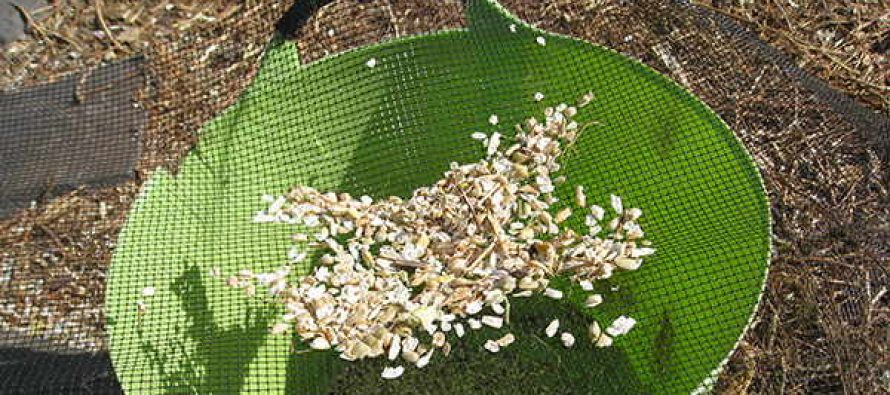
If there is one thing that 2020 has taught us, it is that life is unpredictable. Society has been on the brink for a better part of the year, prompting preppers to become even more prepared for what is ahead. If and when SHTF, we all want to be ready for it.
One great way to ensure your family will have enough to eat is by growing your own food. In order to grow a produce garden, you will need quality seeds. Instead of paying your hard-earned money for seeds, you can harvest seeds from store-bought fruits and vegetables, as well as garden-grown produce.
Selecting non-hybrid, heirloom, or open-pollinated produce for seed harvest improves their chances of viability when planted. In addition to harvesting, drying and seasonal storage are also vital when seed harvesting and storing.
How To Harvest Your Seeds
Before harvesting, be sure to select your healthiest plants for their seeds. Any disease or abnormalities in the produce will transfer to the seeds and therefore, the new plant.
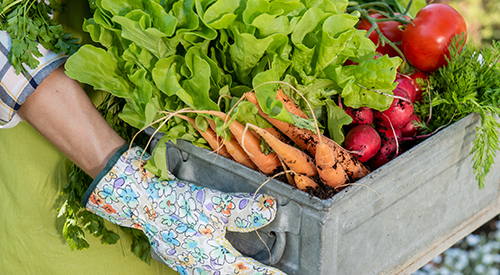
Also select heirloom or open-pollinated plants, as they keep producing every year. Hybrid plants are more seasonal and will not continue to yield a reliable crop after one season.
- Pick a fully matured fruit to harvest. Healthy, mature, and productive plants will give off the best seeds and grow into the healthiest plants.
- Slice the produce open with a clean, sharp knife.
- For dry seeds, such as bell peppers, shake the seeds into a bowl. For wet seeds, such as tomatoes, scoop the seeds into a bowl.
- Cover any pulpy or wet seeds with water. Allow them to sit in the water for 2-4 days, stirring daily. This will allow the seeds to sink to the bottom of the bowl, while the pulp floats on top of the water.
- Rinse all seeds with clean water before laying out on a paper towel to dry. Be sure to layer in one single layer so the seeds dry properly.
- Place the seeds in a well-ventilated area to completely dry. Turn the seeds with your hands every day to ensure they are drying evenly on all sides.
- Once the seeds are fully dry, store them in a sealed glass jar, away from light. This environment should be very cool and dry. Seeds will last up to one year if stored this way.
Issues That Can Arise When Seed Harvesting
Disease
Any disease that the plant had previously will pass on to it’s seeds and eventual new plant. Choose very healthy produce to extract all seeds from for the best chance at plant survival.
Improper Storage
Storage is everything once the seeds are harvested. Seeds need to be kept in an airtight container, away from light and moisture once dried. Seeds will not be viable if they are not stored properly.
Residual Moisture Content
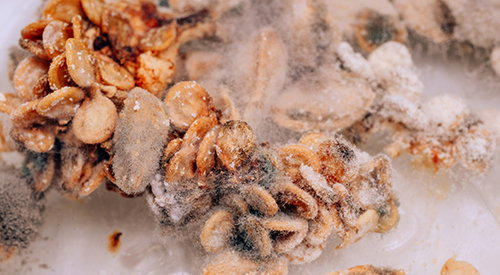
Seeds need to be fully dry, without any moisture whatsoever in order to be ready for storage. Any residual moisture will invite disease and bacteria into the seeds. Moisture can also cause the seeds to germinate, rendering them useless for planting season.
Best Home Seeds for Harvesting
Tomatoes
You should harvest your tomato seeds because it is one of the most nutritious fruits, and tomatoes grow easily in many environments. One of the most popular produce items in anyone’s kitchen, tomatoes are one of the easiest fruits to harvest seeds from.
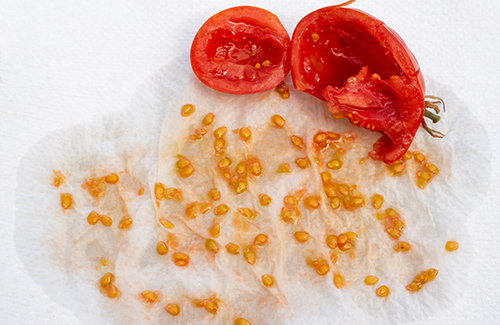
Since it is a plant with pulpy seeds, they will need to be harvested with the water method. Choosing tomato plants that are not hybrid will yield the best crop. Heirloom tomatoes are excellent for harvesting and growing each year.
Bell Peppers
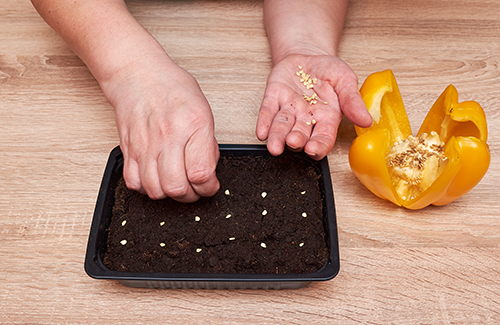
One of the fruits with the most dry seeds inside is the bell pepper. Harvesting bell pepper seeds is great because it will yield a large number of seeds, and you will have more than enough peppers for your family, friends, and neighbors.
Simply slicing a pepper in half and shaking it will give off tons of seeds. The seeds then simply need to be dried and stored before planting. Easy!
Cucumbers
Cucumbers are another fruit with pulpy seeds. Harvesting them in a similar fashion to tomato seeds will yield the best results for replanting.
Cucumbers grow in abundance and are great for pickling. Before harvesting, cucumbers need to be yellowing and past ripe in order to harvest viable seeds.
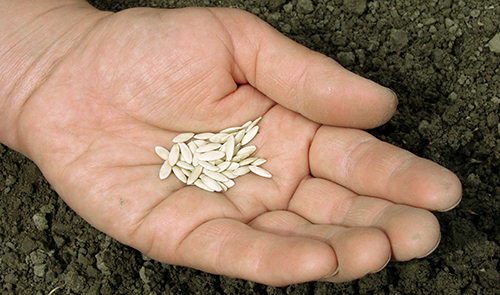
You should harvest cucumber seeds because cucumbers can be used in many different ways once fully grown. They are delicious as a snack, in a salad, or as a pickle. Pickling your cucumbers will allow them to last a long time and develop a delicious, briny flavor. Use some of your cucumber harvest to harvest more seeds, and use the excess fruits to pickle or preserve.
Beans
You will want to harvest beans to add fiber and nutrients to your diet in a dire situation. Harvesting beans is slightly different to the aforementioned methods.
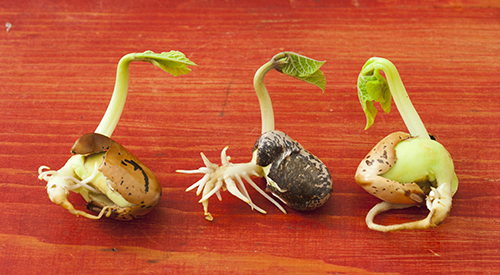
Allow the pods to dry on the plant until they are hard, dry, and brown in color. Remove the pods from the plant and lay them out in a single layer to dry indoors. Leave them for 2 weeks before shelling the beans. You can also wait until planting season to shell the beans and then immediately plant.
Fresh Herbs
Many herbs are self-seeding, so their seeds will drop in the fall and grow on their own when the season changes to spring. You may want to collect the seeds before they germinate, however, to better control where the crop grows.
Allow the seeds to dry on the plant for as long as possible. Then, remove the whole flower to a paper bag. Harvest the healthiest looking seeds from the flower and dry/store the seeds as discussed. Fresh herb seeds are important to harvest because they will add flavor to your dishes, and can be dried to last a long time.
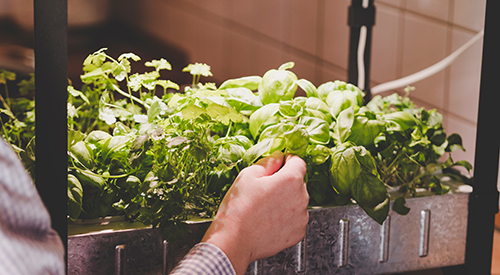
Both dried and fresh herbs from the garden not only add flavor, but nutritional value as well.
Seed Tips:
- Do your best to rotate where you plant your produce in the garden. Changing up the location of your plants each year will help enrich the soil. For example, do not plant your tomatoes where you always plant your tomatoes. Change up the layout and your soil will gain nutritional benefits.
- Label your seeds. Fall season is seed season, so you may be harvesting many seeds at once. When laying out to dry, label each seed group as to not confuse yourself later on. Also label the jars when storing so there are no surprises come planting season.
By not harvesting seeds from your produce each year, the cost of purchasing new seeds will rise each season. Harvesting seeds from your own produce will keep your garden afloat if and when SHTF. By using these simple, effective methods, your garden will continue to yield beautiful, delicious crops year after year. Seeds that have been harvested have the ability to last one year in a cool, dry, dark place, allowing you to grow your own food virtually for free.
Having seeds on hand will only benefit your tribe during a crisis situation.
 SHTF
SHTF 