Alright, we have done a couple of articles on “Knowing Yourself,” and “Knowing Your Enemy.” Now that everyone knows one another, let’s take it to another level. As a single individual, as a family member, or operating in a group, after it hits the fan, you will have to fight eventually. You will not be able to avoid it and hunker down until the cavalry comes, because it will be in your neighborhood and the cavalry isn’t coming to your rescue.
We’ve discussed “Fabian Tactics” in previous articles. These were based on the exploits of Quintus Fabius Maximus in the First Punic War between Carthage and Rome. “Hit and Run” tactics exemplify their description: strike a numerically superior larger force at a time and place of your choosing, and then break contact. Fade back into the forest, hide, and avoid further combat until the next engagement of your choice.
Lessons from the Roman Army for Post-SHTF Combat Operations
Let’s “fix” ‘em: set the enemy up and zap ‘em! Let’s do a few things that the Romans were famous for…using these techniques here and now.
Choose the Ground: Yes, you choose the place you will engage them. Along with this, you pick the time of day, the formation of the attack, the objective, and the criteria for withdrawal. You choose it. As an individual, you would be sniping. As a group (depending on your numbers and composition), you can engage in operations limited by your size. Choosing the ground means also to actively recon the enemy and not allow him to choose it and catch you unawares.
Prep the Ground: The Roman Army were masters of this task. They scouted the area and with thorough intel, they knew where their enemies were, actions these people planned on taking, and avenues of approach. They cut timber and created obstacles of logs interlaced with natural “barbed wire” in the form of thorns and thistles…along with spikes and stakes, to limit enemy cavalry. Long before William Wallace of “Braveheart” was ever a thought, the Roman legions spread out hay soaked with pitch and oil in areas where enemy foot soldiers would move, and applied flaming arrows when the time was right. They always took the high ground when possible, and used the natural terrain features (cliffs, rivers, etc.) to form boundaries to help them channel the enemy.
Always Fight with the Sun at your Back: The Romans positioned themselves and attacked to place the sun in the eyes of their enemies. I know, I know: the enemy has “Ray-Bans,” right? No, it worked for the Viet Cong as well. When they’re looking into the sun, they’re at a severe disadvantage. Use the sun. Use the terrain. Live with the land and live.
“SPECVLATORES”- the Speculatores…the deep-cover operatives…the Special Forces and Reconnaissance warriors of the Roman Empire. You need operatives in your “unit” with the ability to do “deep penetration” of an enemy’s defenses…whether in their midst unsuspectingly or observing them from a nearby locale…operating on their own ground unbeknownst to them. You need one or two people who can get the job done…and provide you with the deep-cover intel you’ll need to make decisions.
Alliances – “The enemy of my enemy is my friend.” Not always so, but you can use such rifts to your advantage…with other groups who your enemy is at odds with. Here is where diplomacy, teamwork, and political acumen/savvy comes into play. These “non-combat” skills are just as important to “fixing” your enemy as any of the actual missions you will undertake to defeat him. Be skilled at making alliances, and do not make them just for the sake of socializing. It is an art that we will cover more in-depth in future pieces.
Feed Them Disinformation: Yes, the Romans were very adept at sending messages or planting information that was false. This regarded their strengths, their movements, supplies, and reinforcements. Sun Tzu was not the only one with a knowledge of how to monopolize disinformation, and he wasn’t the first to employ it.
Lure Them and “Stake” ‘Em – the Roman Army would plant different things out in front of an approaching enemy force in order to delay and distract them…making them ripe for an attack or ambush. You can do the same, and make it fall “in line” with the enemy you’ll be facing. Quick question: How many of you have Russian or Chinese canned delicacies, such as Borscht or caviar for the former, or imported Chinese canned foods and fineries for the latter? Because you may be able to use it to lure such if they ever come to this country…and set a trap on or in it, or place shooters in an overwatch position overlooking it. Because you may need prisoners, and what better way to lure them in than with a carton of their own cigarettes, their own liquor that they would think to be safe? Be advised: SAVE YOUR RECEIPTS FROM THE STORE YOU BOUGHT IT! This is because in the times to come if anyone ever suspects you of collaborating with them…you can show the receipts that you bought it all long before the conflict began, and give them an explanation of why you bought it all. This may keep you from being shot by your own countrymen.
The Violence of Action in a Controlled Manner – the Romans did not win their mastery over all of Europe and most of the Middle East by conducting drill and ceremony. They were trained, skilled killers and understood that the thing that made the Empire possible was the discipline and aggression of the individual legionnaire.
A Perfect Chain of Command – Modern militaries all have a chain of command and an order of succession for someone to fill the “vacancy” at all levels when a commander “buys the farm,” so to speak. You need to enable each member of your team to be able to step into the shoes and position of the leader and take charge to continue with the mission.
Discipline: this encompasses all areas. A “guerrilla fighter,” whether fighting off marauders from a neighboring town post SHTF, or a tyrannical, oppressive government, or a foreign invader…the guerrilla needs to be disciplined. Physical toughness, adherence to standard operating procedures (SOP’s), a cool head and iron nerves, and endurance…the ability to keep this up for years…to go the distance. These are the things that the Romans kept focused upon and central to their legions for many centuries.
In conclusion, small unit tactics are more than just a matter of either superior arms or numerical advantages. They are based on common sense and knowing how to plan out your objectives, as well as a plan of attack. You will have to be the “David” going against the Goliath, and although not shirking from battle, picking the time and place of your engagement, and the conditions and standards you will set to achieve those objectives. It is no guarantee of success, but you are guaranteed to perform better with the proper planning, training, and clarity of purpose prior to a battle. It can mean the difference between success and failure, life or death. In this vein, I highly encourage you to study more about the Roman Army and the warfare in ancient times. Take the time to clean the tarnished pitcher and you may just find a silver piece made by Revere. The knowledge is there: seek after it and make your future rather than just allowing it to happen to you.
Our underlying goal in a SHTF scenario is ultimately to stay alive and live without exposure to risks. As much preparation as many of us have made, in the altered world of a SHTF crisis, there will be many dangers that lurk; and some of them will be inadvertently from our own doing.
The six laws of survival. Read this. Memorize this. Apply this. One day, you will need it.]
ReadyNutrition Guys and Gals, we just finished a series on how to escape from Bill Ayers’ Summer Reeducation Camp (or Gulag 17, depending on the situation). Now we will cover one of the most important elements of all: How to stay out of the “Happy” Camp. Best thing of all: do not go in. Easier said than done, however, there are some things you can do beforehand that will increase your chances of staying out of the Gulag.
These things are not complicated, however, they will require both willpower and action. They will not be things that happen on their own. In order to stay out of a camp, you must do something very important:
You must do things that others do not do, and you must not do what others do.
Let us run with this concept in a scenario:
You’re in bed…it’s a Saturday morning, and you don’t have to go to any of your 3 jobs today until noon. Your battery-powered clock seems to have stopped at 5:15 am. Puzzled you hear the drone of jet engines, and all of a sudden the house seems as if it is shaking. You jump up and run to the front door and as you walk onto the front porch, all hell is breaking loose.
Your mind is playing, “For Whom the Bell Tolls” by Metallica as you look up and see dozens of aircraft flying West to East, disgorging sesame seeds that sprout parachutes by the thousands, all coming down into your neighborhood. “Red Dawn” isn’t playing: it is happening, and you’re in it. Your neighbors didn’t bother to come wake you up; however, they’re working on starting their cars, with no success. The paratroopers are landing, and a large crowd of people is running down Main Street to the tune of automatic gunfire in the distance. Yep, you guessed it! America has been invaded, and chances are you are not going to be handing out a Slurpee this afternoon.
Now what? You must fall upon the six laws of survival or else all could be lost.
The Six Laws of Survival
In a survival scenario all bets are off and the following laws will keep you alive. These laws are rigid, but necessary. Harsh, but true. Keep your cards close and always have a plan.
Law 1: Wherever that crowd is running, do not join them.
This is not to say that they aren’t (initially) running in the right direction. But what of it? They are bound to be either captured en masse or worse (bombed, strafed, or shot). For the horror of the IHM (the Incredible Human Mob), look no further than “War of the Worlds” with Tom Cruise where he and his family are driving the passenger van…right up and into the mob. Look what happened there. You can’t defeat their numbers, and you will be captive to them…another steer in the herd.
Strike out on your own, you and your family, avoiding the main thoroughfares at all cost, and avoiding the IHM.
Law 2: You have to have a place (and places) to go.
This is where thinking outside of the general herd will pay off. We’re going to instruct by running through a checklist…. this will be a “handy-dandy” checklist that you can print out or run over in your mind to be able to follow rule #2.
Did you preposition assets (food, weapons, money, etc.) at an initial safe location?
Is that location within walking distance for you and your family?
Once there, are you and your family secure for at least a 24 – 48-hour period?
Safe from enemy troops/government “peacekeepers” on the hunt?
Safe from fallout and/or NBC agents?
Does it have a food and water supply to sustain all of you for 7 days?
If your initial safe location has been compromised, is a duplicate location nearby?
Do you have a farther (more remote) location that you can reach on foot in 3 days?
A secure, sustainable location with supplies for at least a month?
Do you and your family have a handheld method of communication for each member?
Have you formulated short-term (initial contact, 48 hours, 7 days) plans?
Have you made long-term (1 month and month-by-month; 6 months and 6-month continuous analysis; 1 year) plans?
Guys and gals, these are just basics. You must have these things in place in order to give you and your family a fighting chance. Whether or not it is a foreign invasion or a domestic communist takeover of the United States, you must leave your home in suburbia or you will be rounded up, bringing us forward:
Law 3: You will be leaving your home, permanently or for a long time.
This is survival. The majority of readers are not living in the mountains or in a remote location. If you follow these steps and practice them on a dry-run on a regular basis…it will give you the advantage that most people will not have. You must innovate: come up with ideas that others will not think of. Do you know of an abandoned warehouse on the outskirts of town? Chances are that 90% of others will think the same thing in a grid-down/Red Dawn survival scenario. You need to find the places that are off the beaten path. And if there are none? It may mean that you have to create a place.
How? By caching your supplies within the walking distances described for each part of the “safe” area. By finding tunnels, caves, or other sub-structures that can protect you from the elements and at least afford partial protection from radiation. By being who it is you imagine yourself to be: a prepper…a survivalist…or a survivor. When you enter any contest, do you enter it to lose? Do you strive for just “second place” or “second best” in this arena? Chances are the answer is “no,” but you have to arrive on that conclusion on your own. All of this is a challenge, and this underlines everything for you if it needs clarification:
Law 4: In survival, there is no silver medal: “second place” means death.
Forget that phrase in “The Hunger Games,” because if you are taken…the odds are not ever in your favor. We went through a 4-article series on how to escape from the Gulag where I reiterated how important it is for you to stay out of it. I stand by this concept. If you are taken captive, the odds aren’t in your favor of getting out…for the duration of it.
And then guess what? The Germans during WWII as the allies approached began to hide their transgressions by liquidating the camps…basically killing everyone that could bear any type of witness to the atrocities. Do not think for an instant that it will not happen again. Look at Holodomor in Ukraine and the starvation tactics the USSR used to follow after the Malthusian model. Our enemies have very little regard for human life, and the lives they value are of their own people. If the Chinese communists would run over their own people with tanks and sell their internal organs while they’re still alive, what will they do with us?
Which brings us to the “Malcolm X” rule:
Law 5: You must stay out and survive by any and all means necessary.
Some of you may think “JJ is a little harsh.” I would rather be hard and harsh now, and enable you, my countrymen, to have some tools at your disposal and a “sharp tack” under the figurative buttocks of your mind to give you the impetus to do something about the situation prior to its occurrence. The country is “long in the tooth,” and you have to grasp these concepts and act upon them now…not burn off the pages and save them in the survival archives…but use them to inculcate your own, individual plan of action now.
Rule #5 means resolving yourself to do what you must in order to protect yourself from the ravages (and not just possible, but probable death) inside of one of these camps. These are all basic, “generic” things to begin as a base for your preparations. This is a form of guerilla warfare! Avoid the occupiers/oppressors at all cost! These things will work for you…if you resolve yourself (ves) to do them. I’ll close with a note on OPSEC (operational security): you better build off of these basics and keep all of them to yourself.
JJ is giving you the basics that you need, without revealing everything of his own plans. Why? Because I earned them by paying for them with years of experience and suffering, and it means my family’s survival. Such measures would run you a lot of money and imagination; such measures come from years of practical experience and the willingness to take chances. This thought brings us to our final rule, the failure of which means compromise leading to death:
Law 6: Do not tip your hand or reveal your plans to anyone.
Next installment we will talk about life under occupation, be that by foreign invaders or by totalitarian state that has morphed out of a democracy. In the meantime, prepare and plan, and when you are reasonably sure, execute a dry run. The practice does make perfect and affords you a time and trials to iron out all of the glitches in your operations. Until next time be good to one another and keep up the fight!
Looking around I couldn’t find an important piece of information – how one should fight in a SHTF situation. I think this is an important topic to cover because it has several special circumstances that need to be considered.
Ammo will need to be conserved – I don’t care how many rounds you have saved up, it won’t be enough and the long-term of a complete collapse of society (potentially 40+ years) means that from the get go every single shot will be precious.
Due to the fact that it is almost a certainty that combatants will be intensely familiar with the area and possibly have been residing for a long period of time it rather changes the mechanics of combat.
Due to limited manpower and the fact that any attrition will be felt heavily, patrols, night combat, and outposts will be nigh impossible to field with regularity.
Expanding on the above, most medication has a limited shelf life and even minor wounds will start to become quite threatening (increased risk of disease and infection) – Medication will run out fast.
With that in mind, let us analyse why tactical considerations are always important and what style of fighting we will have to adopt. Due to the fact that ammo will always be a luxury, modern tactics which rely on the idea of expending more ammo in a gunfight at the foe over men or positioning is obviously not possible
Now – every weapon you should use should focus on stopping power, the smallest cartridge in your arsenal should be 6.5mm (handguns excluded).
With that out-of-the-way – let us look at the overall thought process and things to identify before you engage in any situation.
Manpower: Who has more bodies at their disposal – do they look weak and ill-trained or are their movements/positions well thought out and the men (and women!) well fed? Are they all moving armed or do they have the luxury of people dedicated to guard duties?
Armament: What weapons are they using – are they rusted and in ill repair? Can you identify if they are carrying enough ammo for everyone to fight adequately?
Maneuver: Who is in the better position? – do they have a path of pursuit and escape, do they have a height advantage? Importantly are they defending something valuable (like a base or stash)? If so you may have the luxury of being able to attack at will, the same thing goes if you are on the defensive.
From these 3 guidelines a threat level can be deduced, obviously there will be some situation where one advantage is so great that it will offset disadvantages – this is a rough guideline. If they check off none, then you are probably in a position to utilize a diplomatic approach and join groups. If they check off one of 3 then you should approach with caution, maybe attempt to surround them at night and make your intentions clear – again diplomacy may be the best decision here. If they check two of three than combat should be avoided until you are in a position to use your advantage to overwhelm them (attacking at night, in an ambush, etc). Do not attempt diplomacy at this threat level as you will not be in a position to make a fair deal and all emphasis should be placed on evening the odds or avoiding the threat. Finally if they check off all three do not engage at all, the goal is survival not heroic death and if worst comes to worst retreating completely or surrendering goods is preferable to a bullet in the brain. They still are people and unless you are absolutely sure that they are completely hostile they may be willing to work with you.
Now with the overall threat assessment done we may now talk about the five stages of combat (Recce, Skirmish, Combat, Push/Withdraw, Decisive Blow/Total Withdrawal).
RECCE
“IF YOU KNOW THE ENEMY AND KNOW YOURSELF, YOU NEED NOT FEAR THE RESULT OF A HUNDRED BATTLES.” – SUN TZU
Recce is often the most overlooked stage of combat but it is BY FAR the most important. Recce is the mode of thought that you should be on at all times, dispatching a scout if possible and identifying incoming threats. The more focus you place on recce the more forewarning you will have as to inbound threats, and more time to prepare/evacuate. Obviously you will be unable to have a complete recon net due to limited supplies but any extra hands should be trained for recce and dispatched when possible.
This is where you will identify your enemies capabilities on your threat checklist and decide whether to choose engagement/diplomacy/retreat. Just to outline how vital this is, 90% of a good tactician’s skill is how the deploy and utilize information from recce, with the other 10% being a good leader with good interpersonal skills and the ability to keep cool under pressure.
SKIRMISH
This is where you action your initial decision on engaging the enemy, it is the period where hostilities have begun but you are not locked into a fight. This will be the period where you harry the enemy with traps and marksman to attempt to pick off men before you attack or they reach your designated point of defense (usually your fortifications).
Some skirmishes may only last a minute or two and some may be the entire fight, note that your main focus should be leaders and sensitive targets (heavily armed fighters and if possible, medics). The goal of this will be to break your enemies organisation and morale when combat begins – that being said…
COMBAT
This will be the time when individual training counts. Communication will be close to impossible in this brief period and this is where the most casualties will be sustained – though despite this being the most calamitous point of a fight it will be the least important for you as the person in command. Your main role will be encouraging your men and stopping any obvious screw-ups.
What you should be watching closely is the movement of combat, are you making good progress towards your goal or are you sustaining casualties – are there hostile elements that you were unaware of?
Before I make my next point the thing to keep in mind is that in a ‘battle’ there may be multiple combats, intensive fighting between periods of skirmish, pushing, and retreat.
PUSH/WITHDRAW
This is as much a phase of combat as it is its own separate action, and the commands will have to be executed well and especially in the case of a withdrawal you need pre-planned points to ensure cohesiveness.
Really the most that can be said of pushing is that your enemy has begun to break or have thinned enough that they can no longer maintain the area their position demands, as I would expect almost all combatants to be ill-trained this will almost certainly result in a decisive victory as the enemy breaks completely.
However, keeping your men together in the case of a withdrawal is another issue. The things to watch out for: can you retreat to your designated point safely (if you have one – keep in mind most defense should take a multi layered approach), do you have enough manpower left to pursue another attack, is the enemy willing to pursue or are they holding position. If it is the latter the combat may switch to a skirmishing stance again.
TOTAL WITHDRAWAL/ DECISIVE BLOW
Decisive blow: Your enemy has completely shattered, this is the period encompassing cleaning up resistance before taking stock of supplies and beginning the process of recce again – re-assessing.
Total Withdrawal: This comes about one of two ways – Your force has broken and are fleeing in a blind panic, or it is (hopefully) an organised retreat to put some distance between yourselves and the enemy combatants and re-asses. You will again need to survey the situation and determine the next point of action for your group.
Something to note – Overall your group should always be prepared for a total retreat, even an easy fight could be a ruse and you always need to be prepared to move and maintain as many supplies as possible.
The year 2020 has been declared by many to be “the worst year in history.” But that name has been given to other years before.
In 2018, a medieval scholar named Michael McCormick declared the year 536 AD as the worst in history. During that year, much of the world went dark, possibly due to a volcanic eruption. This caused a fall in the temperature, crops to fail and many to die.
But then there’s 1349, when the Black Death wiped out half of Europe. Other years had their own problems.
Whether history will decide that 2020 was worse than 536 or 1349 is something that none of us will see. Nevertheless, it could easily be the worst one in our lifetimes. But that too is yet to be seen. We don’t know what the future might hold.
There are many who are acting like they think the world will change at the stroke of midnight on December 31st, doing away with all the problems and replacing this bad year with a good one. I don’t see anything to tell me that things will suddenly get better, just like they didn’t in 537 or 1350.
If anything, I wouldn’t be the least bit surprised if they actually got worse. I have nothing to back that up, just a gut feeling. But I can’t ignore it.
Having that gut feeling, I’ve looked around, searching out the most likely crisis situations to confront us in the coming year.
Another Surge of COVID-19
It’s only appropriate to start out with the pandemic that has defined 2020. For months, I’ve been hearing people make statements that sound like they believe that COVID will disappear on January 1st. Yet, medical experts are already warning us that we will need to keep all precautions in place until well into 2022. The idea that this disease will just disappear is unrealistic, to say the least.
But I wouldn’t be surprised if we saw another massive surge in people becoming infected with COVID-19 in the coming year. First of all, there will be a surge in January, caused by people getting together for Christmas. Whole families will come down with the disease, as it spreads through the family, having been brought to the party by one family member.
That’s not the surge I’m concerned about though. The one I’m seeing is the one that will come when everyone suddenly decides that we no longer need to wear masks and practice social distancing.
Whether that happens because officials decide that it’s safe to lift those restrictions or because of people just plain getting fed up with the restrictions on their lives, it’s going to come. When it does, we’ll see another massive surge.
We’ve already seen this happen in last summer’s surge. Once lockdown restrictions were lifted, many people took that to mean they could go back to life as normal, even though officials were warning against that. They didn’t listen and many got the disease.
Another Pandemic on the Heels of COVID
I can’t help, but feel that COVID-19 has been a dress rehearsal for something bigger that’s coming; a much worse pandemic, which is going to sweep the globe.
As with many pandemics, there’s a good chance that this one is going to come out of China, just like COVID-19 did and like so many other diseases have since the Black Plague.
There are those who are saying that COVID was actually an act of biological warfare on the Chinese government’s part. The jury is still out on that. But either way, the communist government definitely took advantage of it.
Considering that the government lab it supposedly escaped from was studying viruses from bats, and that it is still studying a couple of other viruses from bats, it’s natural to wonder how many other such labs the Chinese have and how many viruses they are studying.
If, in fact, the Chinese government released the Coronavirus on the world intentionally, it’s perfectly reasonable to assume they’ve got something bigger waiting in the wings. It’s just a question of how soon it will take center stage.
Civil Unrest
The other big thing that 2020 was known for was civil unrest. Ever since George Floyd was killed in May, we’ve seen protests and riots breaking out across the country.
While peaceful protest is part of the American culture, a right guaranteed to us by the First Amendment, rioting is criminal activity. In many cases, it appears that the rioting was sparked by infiltrators into what started out to be peaceful protest.
Some might say that the riots were politically motivated and that the results of the elections could either cause an increase in the rioting or an end to it.
But that would assume that the rioting was politically motivated, with those rioting being against some government policy or other.
That just isn’t the case, while the riots have been hidden under the mantle of the Black Lives Matter protests, they were not actually started by those protesting police killings. Rather, it seems they were started by ANTIFA, which is after anarchy.
Remember CHOP or CHAZ? That was all about kicking out the local government. It was immaterial who was in authority; they just wanted to get rid of that authority. This is the same group which is affiliated with all the other rioting.
Gun and Ammunition Shortages
As we go into the end of the year, we’re facing shortages of guns and ammo across the nation. This started out because of the rioting and has continued through today.
The ammo shortages in the stores are even worse than they were during Obama’s presidency and online prices for ammo have skyrocketed.
With the ongoing risk of civil unrest, there is no end to the surge in gun and ammunition sales in sight. We can not only expect them to continue, but possibly even increase, as people who might be a little bit behind in getting on board this particular train climb on.
Chances are, the shortages of ammo will continue considerably longer than the shortage of firearms, as people go to the range to practice using their new purchases.
If you aren’t already doing so, I’d recommend stockpiling whatever you can and considering loading your own ammo. Although, I will have to say that there’s a shortage of reloading supplies too.
Other Shortages
The panic associated with the outbreak of the COVID-19 pandemic and the rumors of coming lockdowns caused a massive amount of panic buying in the stores, leading to shortages. As time went on, those shortages increased, due to things like workers in meat packing plants coming down with the disease.
It took months for the stores to reach normal stocking levels again. But once there was talk about a second lockdown, the shortages started up again.
With another surge in COVID already happening, we’re looking at the possibility of another nationwide lockdown. That’s already happening in some states.
While the president doesn’t have the authority, constitutionally speaking, to make that happen, whoever is president can influence national opinion and put pressure on the governors of the several states to do so. But the threat of him doing such a thing will probably cause shortages once again.
Our Rights Under Attack
The government has been in all out war against our Constitutional rights for years, specifically the first, second and fourth amendments. One of the greatest dangers we face today, is that of either political party controlling both houses of Congress and the Presidency.
Were that to happen, they could turn a number of that party’s hobby horses into law, specifically, limiting our religious freedom, turning “free speech” into “hate speech” whenever it doesn’t agree with their agenda and limiting our rights to own firearms.
A large part of what makes America unique is the Bill of Rights. Many countries have copied our Constitution; but rarely do they copy our Bill of Rights… at least, not all of it.
But it is those 10 Amendments to the Constitution which give us liberty, not the Constitution itself.
Another part of this is the way that the modern version of political correctness puts the rights of some people above those of others.
Specifically, putting the rights of minority groups above what is mainstream in “flyover country.” Muslim rights trump Christian rights. Transgender rights trump women’s rights. And of course, the rights of any progressive trump those of any conservative.
Return of Political Correctness
Perhaps one of the biggest changes brought about by Donald Trump’s presidency was to destroy the idea of political correctness, even though that wasn’t part of his job. Not only was he politically incorrect, but he was unashamed about it, firing back at those who took shots at him. Some said that wasn’t presidential, but it was Trump.
Yet the media hasn’t slowed down any in their push for political correctness, along with their allies in Hollywood. That has given birth to the “cancel culture” of today, where people’s lives and careers are being ruined by something they did 20 or 30 years ago, even though it was acceptable back then.
Natural Disasters
2020 was a horrible year for hurricanes and other natural disasters.
While I don’t believe that those were caused by “global warming” by whatever name they are using today, I do see them as coming and going in cycles.
Based on that, it would be normal to expect 2021 to be a year of few natural disasters, because 2020 was so bad.
But I don’t believe that will happen. If anything, I expect 2021 to be a worse year for natural disasters than 2020 has been. It won’t be because of climate change, but rather because the world is trending in that direction.
Iran and North Korea Turning Militant
With Biden taking over from Trump in the White House, a number of things will happen on the world stage. For example, Biden has already declared that he will rejoin the Paris Climate Accords, which Trump pulled us out of. There’s also talk from his transition team about rejoining Obama’s agreement with Iran.
If we look back, both Iran and North Korea were doing a lot of saber rattling during past years. Why that happened is up for debate. But what’s not up for debate is that they both quieted down during the last four years. Bad actors like that, similar to the neighborhood gang, only understand strength. The only one who gets them to behave is one who convinced them that they could beat them with one hand tied behind their back.
But they’ve been quiet all too long, considering who they are. One of the things we typically see on the world stage is these sorts of countries testing our president, whoever they might be. Whether we end up with Biden or Trump in the White House, we can expect that once again. They might see Biden as an opportunity or might think that all the legal battles show that Trump’s position has been weakened.
Whichever it is, they’ll be looking for an opportunity that they can use to their advantage. The question will become, how effectively are we able to counter their actions.
Anything Else?
So there’s the list of things I’m looking for in this coming year. Did I miss anything? Is there something that you’re expecting this coming year, which I didn’t mention?
Is that something the rest of us should be preparing for too? Let us know.
For years, I have listened to people in prepping circles talk about “The Golden Horde”. What is that you ask? Well, the golden horde is a concept that as far as I can tell was introduced by James Wesley Rawles. I like Mr. Rawles – have several of his books in my prepper library and I have been going to his website for years. Mr. Rawles is the writer of several prepper fiction novels (Patriots, Survivors), and probably the first survival book I ever read How to Survive the End of the World As We Know it . He is also the owner of the popular survivalblog.com website. Mr. Rawles’ golden horde concept roughly says that if we have a TEOTWAKI type of event, the major population centers will soon see a mass exodus of people out of the cities and into the surrounding countryside because the cities will be unlivable. The thinking will be to head to the countryside where there is more room, less violence, more food and a safer existence than in the cities.
The historical Golden Horde was a Mongol tribe back in the 13th century, but for the sake of Prepping and how the modern interpretation of this concept could apply to you, I will use Mr. Rawles’ own words in describing what he meant by this concept:
HERE IS A MENTAL EXERCISE: PUT YOURSELF IN THE MIND SET OF MR. JOE SIXPACK, SUBURBANITE. (VISUALIZE HIM IN OR NEAR A BIG CITY NEAR WHERE YOU LIVE.) HE IS UNPREPARED. HE HAS LESS THAN ONE WEEK’S FOOD ON HAND, HE HAS A 12 GAUGE PUMP ACTION SHOTGUN THAT HE HASN’T FIRED IN YEARS, AND JUST HALF A TANK OF GAS IN HIS MINIVAN AND MAYBE A GALLON OR TWO IN A CAN THAT HE KEEPS ON HAND FOR HIS LAWN MOWER. THEN TEOTWAWKI HITS. THE POWER GRID IS DOWN, HIS JOB IS HISTORY, THE TOILET DOESN’T FLUSH, AND WATER NO LONGER MAGICALLY COMES CASCADING FROM THE TAP. THERE ARE RIOTS BEGINNING IN HIS CITY. THE LOCAL SERVICE STATIONS HAVE RUN OUT OF GAS. THE BANKS HAVE CLOSED. NOW HE IS SUDDENLY DESPERATE. WHERE WILL HE GO? WHAT WILL HE DO?
ODDS ARE, JOE WILL THINK: “I’VE GOTTA GO FIND A VACATION CABIN SOMEWHERE, UP IN THE MOUNTAINS, WHERE SOME RICH DUDE ONLY GOES A FEW WEEKS OUT OF EACH YEAR.” SO VACATION DESTINATIONS LIKE LAKE TAHOE, LAKE ARROWHEAD, AND SQUAW VALLEY, CALIFORNIA; PRESCOTT AND SEDONA, ARIZONA; HOT SPRINGS, ARKANSAS; VAIL AND STEAMBOAT SPRINGS, COLORADO; AND THE OTHER VARIOUS RURAL SKI, SPA, GREAT LAKES, AND COASTAL RESORT AREAS WILL GET SWARMED. OR, HE WILL THINK: “I’VE GOT TO GO TO WHERE THEY GROW FOOD.” SO PLACES LIKE THE IMPERIAL VALLEY, THE WILLAMETTE VALLEY, AND THE RED RIVER VALLEY WILL SIMILARLY GET OVERRUN. THERE WILL BE SO MANY DESPERATE JOE SIXPACKS ARRIVING ALL AT ONCE THAT THESE AREAS WILL DEGENERATE INTO FREE-FIRE ZONES. IT WILL BE AN INTENSELY UGLY SITUATION AND WILL NOT BE SAFE FOR ANYONE. IN SOME PLACES THE LOCALS MAY BE SO VASTLY OUTNUMBERED THAT THEY WON’T SURVIVE. BUT SOME OF THE JOE SIXPACKS WILL SURVIVE, AND THEN THE MORE RUTHLESS AMONG THEM WILL BEGIN TO FIGHT AMONGST THEMSELVES FOR THE FEW REMAINING RESOURCES. THEY WILL FORM AD HOC GANGS OF PERHAPS 6 TO 30 PEOPLE.
Now, with that context I will try to give my perspective on this question because I have heard a few of my fellow bloggers, some with no more expertise in this topic than Mr. Rawles or anyone else for that matter, give their opinion that is it foolish to think that the cities will disgorge themselves of people in a TEOTWAWKI event. They argue that people will sit and wait and never leave major metropolitan areas for all number of reasons. They say it could be they are too used to being catered to and will just sit waiting for handouts to come from the government. Others say that the roads will be blocked so there is no way to leave. Not wanting to be left out on the fun, I’ll give my own unlearned opinion below.
What is the Event we are talking about here?
As with all things in life, the situation you are actually faced with will determine the available choices you have or more appropriately, what choices you are forced to make. To say this entire concept is without merit is foolish I think and it shows a lack of imagination to say that this could never happen. I can easily see situations that would force people to leave their homes or cities and if you only have one potential disaster in mind you aren’t seeing the big picture. Everything depends on the disaster as I have said before so while one event might not cause any disruption at all, another could change the world. People are fleeing all the time so this isn’t some bizarre concept that lives solely in the realm of prepper fantasy.
In Mr. Rawles’ mental exercise he was using a power outage. What caused this power outage? We don’t know but it has been long enough that for Joe, “his job is history, the toilet doesn’t flush, and water no longer magically comes cascading from the tap.” We have to assume the power has been out for a long time or the outage was extremely severe and the Just In Time inventory has been depleted. Utilities are out so a major city would get ugly fast. Have you ever seen a sanitation strike in New York? He goes on to say “there are riots beginning in his city. The local service stations have run out of gas. The banks have closed.”. Now, imagine this Joe Sixpack is living in a major city when this happens like New York or Los Angeles.
Do you really think there won’t be people leaving if these things were happening? Do you honestly believe in a city of over 8 million people that nobody is going to leave that type of disaster? Even if we are only talking about 10% of the entire population that decides based upon the information they have (maybe we were attacked by terrorists with an EMP) that they need to get out of the city no matter what, you are still talking about 800,000 people. That’s only 10% of one city!
Let’s go ahead and continue with the theory that this is New York. We have to assume from Mr. Rawles’ mental exercise that since he said that this is TEOTWAWKI, that the same thing has happened across the country. This isn’t a small power outage caused by a storm that brings the power back in a few days. Now take the 10% from all the towns around New York and New Jersey and add those together. Can you begin to see how an event like this could trigger a “horde” of people moving into the countryside to escape the riots and lawlessness?
Where you live matters
In real estate, you know the phrase… Location, location, location. Where you live matters just as much as the event that causes the crisis or the crisis itself. If you live in the backwoods of Tennessee, you probably don’t have to worry about hundreds of thousands of people making their way out of the city, but what if Memphis and Knoxville were looking for a place to go?
Back in 2013, the Business Insider showed a map of the most populated counties in the United States. They used the census data to determine that over 50% of the population of our country lives in just 146 of the over 3000 nationwide counties. Do you live near one of these?
Half Of The United States Lives In These Counties
It is my belief that with the right disaster, the Golden Horde concept is very likely. I can easily see having to worry about people fleeing major cities if you live near some big metropolis. Now if you are out in the middle of East Jesus, then you probably don’t have to worry about it as much, if at all. However, that doesn’t mean it is crazy for anyone to worry about the golden horde. It might be crazier to think you know everything and everyone else is wrong. It is wise to research it though and find out for yourself if maybe there is something you need to plan for. Where do you live? Is there a big blue spot near your home?
Only a handful of preppers can afford a $ 70k nuclear bunker.
But if you think about it, there are a lot of natural nuclear shelters in the US that are absolutely free.
All you need to do is to identify the closest one to your home and maybe include it into your bug out plan in case a nuclear war is looming (or an asteroid impact).
Keep in mind that these bunkers are all naturally EMP hardened. But they will protect you only from the nuclear blast and the initial radiation burst.
Sometimes the shelter is so closethat is right below your feet. It’s the case in Detroit, where just 1200 Feet below there is a salt mine that can easily shelter the entire population of Detroit! Actually it can shelter over 5 million people.
The salt mine was used to mine table salt, but with the decline in salt prices the mine is now used to mine road salt for winter. The Michigan basin and the great lakes area (since there are also huge salt mines in Canada), used to be part of a sea which sank into the earth. The salt was left behind and formed the massive deposits that we mine today.
Detroit isn’t the only city with a salt mine below it. Other cities like Houston and Cleveland (1400 feet below) are also situated over salt mines.
So I’m going to start with…
…The Underground Salt Mines:
Salt mines are your best option because they are very spacious with large rooms rather than narrow, dark, high humidity tunnels like you see in mines!
Caves
From 1964-1973 the USA and CIA conducted a secret war to support the Royal Laos Government and to stop the communist incursion by dropping bombs on then communist Lagos and northern Vietnam. Unbelievably in these years the USA dropped more bombs than any other time in the history of war. 270Million cluster bombs, 210 million more than Iraq in 1991, 1998 and 2006 COMBINED! 7 million tons of bombs, more than twice the amount dropped in Europe and Asia in WWII. This is equal to a laneload of bombs every 8 minutes, 24 hrs. a day for 9 years.
Kaysone Phomvihane who was the leader of the communist movement led his people to limestone caves in the craggy mountains at the Vietnam boarder. The shelter has become known as the ‘City of Victory’ and is a tourist attraction.
There is an extensive network of caves all across the USA. I have made a list of the largest ones, state by state for your reference.
There are many advantages to cave living even in an emergency situation. They tend to retain heat in the winter and are cool in the summer as well as an excellent natural hide away from natural disasters. There was even a reference to living in limestone caves of Missouri the film “Deep Impact” when comet was to hit the earth and flood a greater part of the world.
The reality is that nature provides most things that we need to survive, so why not a cave as a refuge for war or nuclear bombs?
Underground Mines:
You might find it hard to believe, but Kansas City has a “nuclear shelter” which houses 10 percent of city’s commercial real estate.
Subtropolis – as it is called – is an ex limestone mine with an excavated size of 140 football fields, which was turned into an underground industrial park. The limestone deposits are six times stronger than concrete.
UPDATE:
Find The Closest Mine to Your Home:
Unfortunately there isn’t a reliable map with all US underground mines. I tried to use Google Maps but it has a lot of other facilities with the name “mines” and also surface mines.
But you can use this website to find the closest mine to your home. Just enter your location and make sure you’ve checked “underground” and a 50 miles radius. The results is your closest “nuclear shelter”.
If you don’t have any mines near your home, scroll down and you’ll find “mines by state”, select your state and see what mines are close to you.
A Final Word
Of course, a specially made nuclear bunker has food, water and oxygen reserves. These natural shelters will protect you only from the nuclear blast and the initial radiation burst.
Chances are that you won’t be warned about a nuclear blast, but (just in case) here are 3 signs that you need to take “nuclear” cover:
1 – When your electronics stop working (most of them)
Most experts agree that the next nuclear war will start with at least an EMP. If one of the nuclear powers blasts a nuclear weapon 275 miles above the US it will produce an EMP that will basically send us, the Canadian and the Mexicans back to the Dark Ages. This is exactly what our enemy wants: to disrupt our communication and our ability to retaliate at full capacity. I have something you need to watch. It’s much better than I am at explaining the threat. Watch it and learn what you should fear most (Video), what an EMP effects and how you can protect your electronics, car, mobile phones, etc.
2 – When you hear on the news that a nuclear bomb has just detonated somewhere
It doesn’t matter if it’s in the US, Russia or China… I’m thinking that when a nuclear bomb explodes we face 3 possibilities: a nuclear war which may involve the US, nuclear terrorism which means that the first explosion may be followed by another four, or human error like in 1956 when the US Air Force accidentally dropped two atomic bombs on North Carolina. If it’s the last case… then yes you’ve probably evacuated in vain. But the risk worth the effort!
3 – When a Nuclear Bomb explodes a few miles away, but does not kill you.
If you’re not killed in the first few minutes, you can live a lifetime or die of cancer in the next few days. The longer you expose yourself to radiation (in the radioactive area) the lowest the chances to survive. Take your family and leave as fast as you can!
We all have our food storage for when SHTF. Some of us can live on our supply for years without outside interruption. What happens, though, when outside interruption threatens our supply? In a desperate scenario, hungry neighbors may try to force their way in to steal your food surplus.
As preppers, we are prepared for everything. Having a dedicated room in your basement or root cellar is great for storage, but it can have easy access to intruders. If a burglar finds all your food in one place, you will have to start building your surplus from the ground up, again. That is an expensive hassle if people have already resorted to stealing food in this scenario.
Instead of keeping all of your long-term non-perishables in one place, I personally like to spread out my food in different hiding places. As to not lose track of my stock, I keep a detailed list of my hiding places and what is kept there. It’s also helpful to have clearly marked expiration dates on the list as well. Keep this list easily accessible, yet locked, such as on your tablet or computer, or a physical list inside a safe.
Not to state the obvious, but please keep in mind obvious fire hazards when storing. Cardboard or wood boxes of food will not fare well next to electrical wires, etc. If your hiding spots are under floorboards or behind walls, they should be 100% critter-free. Just ensure you inspect your hiding places well before storing.
Here are some of my favorite inconspicuous hiding places for non-perishable food.
A Hidden Room
Like me, you may know your way around a home project. Home invaders will never be able to find a stash if the room is completely concealed, and most homes do not come with hidden rooms upon purchase (unless you’re lucky).
Tons of homes have “dead space” between walls, leaving a few feet here and there of unused square footage. These spaces can be dug out, reframed, and have shelves added. To conceal the room completely, a bookshelf or cabinet can hide the entrance to your new hidden food storage.
Emergency Shelter
If you live in a tornado area, you may already have an underground storm shelter. Food surplus can easily be stored in these areas. Since they are underground, the humidity levels should be optimal for keeping food.
Store it under benches or up on shelves. It is also a great idea to have sustenance during increasingly dangerous weather in your climate.
Under Stairwells
Often, there is a ton of unused space underneath the stairwell of your basement or first floor to second floor.
This is a great opportunity to store food, as this space is typically dry and temperature controlled. I like to store food at the very back wall of the stairwell, and store household furniture and other things to conceal the food behind it.
Survival Caches
All along your property, you can dig some proper storage caches in case SHTF. All cache containers withstand moisture, critters, elements, and temperature. The hardest part is remembering where you buried them!
Closets
Sure, storing food in a closet may be obvious. But it’s the location inside the closet that you need to pay attention to.
Boxes of non-perishables can be stored under hanging coats in your coat closet. The high shelves on top of most closets often go unused, making them the perfect place to store lighter items, such as lighter bags or vacuum-sealed foods.
Rental Storage Unit
You should never store all of your food in one place at home, just in case your home is destroyed or robbed. Having some food surplus in a storage unit is a great idea if your house is threatened.
You can find rentals that are temperature controlled and reputable. Some are even elevated in the off-chance the unit has a critter or two. The unit should also be well-shaded and facing away from direct sunlight.
Bug Out Location
If you are fortunate enough to have a location that your family retreats to in a global emergency, be sure you have a rotation of non-perishables hidden in that location. This way, if family members must run, packing food is one less item on their mind.
Sharing this space with trusted family members and friends is beneficial in case someone is in trouble. All members should agree to keep up with adding to the stock as they take.
Galvanized Steel Garbage Cans
These garbage cans store some items very well, such as dried beans or grains. They can be kept in a garage, basement, or barn and will keep temperature and moisture optimal. If you are a pet owner, this is also a great place to store excess pet food. Use brand new cans, with the food in mylar bags containing oxygen absorbers.
In The Ground
How do you store food in your own garden? During the winter months in cold weather regions, root vegetables can be stored right in the ground after harvest.
Vegetables that can be stored this way range from beets, to carrots, to potatoes. Check frequently to ensure the veggies are free from rot or critters.
Chamber
The guest bedroom/home office is a great place to hide food. Non-perishables can go inside a desk or be stacked inside the closet. Storage shelves can also hide extra food without being in plain sight.
Some Places You Should NEVER Store Food Are:
The attic – hot temperatures fluctuate during the summer, spoiling all of your food.
A crawl space – critters can easily penetrate these and crawl spaces typically get warm in the summer.
The shed or barn – again, temperature and rodent control is too difficult here.
Buried in the ground – even in waterproof containers, groundwater wears away any container eventually.
Near chemicals or excess fuel. Just don’t do it.
We all have excess food storage to sustain ourselves in case of an emergency, but keeping some hidden food elsewhere will ensure you have enough in a crisis.
It is never fun to think about the what if’s, such as what if I’m robbed? What if my food supply is compromised? If that is the case, being prepared on all fronts will secure our safety.
To begin today’s article with a word of wisdom, everything in life is location, location, location.
Joke aside, an interesting issue to be addressed when it comes to prepping is which places are to be avoided after SHTF. The short story goes something like this, I mean this is the preamble: it is very possible for a catastrophic event to take place at some point in one’s life, whether you like it or not; it may be a large scale disaster of sorts, like a nuke strike, or an EMP strike, solar-made or man-made, courtesy of your local-crazy-nuke-armed dictator, or whatever natural extinction-level event, or terrorist attack.
The possibilities are endless.
Now, provided you’ve survived the initial “shock-wave”, you should concentrate your efforts on staying alive for a little bit longer, because, after all, there’s no fun in prepping and stockpiling gear and food and what not, if you’re not going to benefit from your efforts, right? It’s not about “he who dies with the biggest stockpile wins”, the trick is to stay alive, or at least to die last.
Hence, today’s article, which is aimed at trying to help you with the noble endeavor of saving one’s skin in the aftermath of WW3 or whatever catastrophic scenario you could think of.
The Number One Lesson
First world countries, like (parts of) the US, are awesome places to live when everything works fine and dandy. I am not talking about South-Central LA, or diverse neighborhoods in Chicago or Memphis, where crime rates are through the roof, if you know what I mean. The point is that our modern day uber-high tech society comes with obvious benefits. The caveat to living in a first-world country is that when everything is starting to fall apart, people are generally clueless with regard to surviving in third world conditions, i.e. without running water, electricity and things of that nature.
And yes, in a large-scale disaster, it’s very probable that electricity will go first, which means nothing would work anymore, since everything today runs on electricity, including your computer used for reading this article.
Also, since most of the US population is concentrated in a relatively small number of densely populated urban areas, it goes without saying that big cities are to be avoided like the plague in the eventuality of a SHTF event. Incidentally, almost every big city only has enough supplies to last for three days tops, and I am especially talking about food. The concept is that the food-delivery chain is never going to stop, the trucks will keep on hauling, hence nobody bothers to stockpile food anymore.
Obviously, in a serious crisis, life in a big city will become hellish rather quickly, as essential supplies are going to disappear fast (think about what happened this Black Friday, then amplify that by a factor of, I don’t know, 10,000 and you’ll start to get what I am talking about), people will get desperate for food and water (yes, your water utility company uses electrically powered pumps to deliver water to your faucet), and rioting and looting will become the new normal.
Naturally, it makes little sense to prepare (as in stockpile) large amounts of gear, including food, in a densely populated urban area. Since you’ll be the only one in “the hood” having emergency supplies of water and food and what not, you’d basically have a big-red TARGET sign painted all over your property. And soon enough, you’ll have to share your goodies with your local and not so friendly mob of looters. And that will get you nowhere, in terms of survival. Most probably, you’ll end up shot anyway.
So, if you’re all about “doom and gloom”, considering relocating from the big-bad city would make for a great idea. . And do it now, while you still can, until it’s too late.
The general rule of thumb is that big cities are to be avoided like the plague in SHTF scenarios. The good news is that the US has over 3000 counties, but half of the population lives in 146 counties, which means there’s a lot of “people-free” real-estate available for your bug-out retreat, where you can safely store food, water, guns, gold, bitcoin or whatever.
Joke aside, if you’re a city dweller, it would be a good idea to have a little shack in the woods, somewhere remote, in an area (scarcely) populated by friendly conservative folks, who know how to hunt, and love God and guns.
The Infrastructure Issue
As cities are collapsing under their own weight, due to violence spiraling out of control courtesy of desperate and hungry mobs trying to loot to live another day, not to mention the potential for third-world diseases breaking out due to failure of basic infrastructure (a lack of sanitation because garbage trucks will be missing in action, law enforcement/emergency services rendered useless and impotent, dead bodies piling up everywhere and all that nice stuff that happens when people go berserk), it would be problematic trying to escape to your bug-out location, even if you have a getaway plan.
The transport infrastructure will get gridlocked instantly, as hundreds of thousands of people will try to escape the city in the same time, hence major highways will be something like Tetris meets Frogger, if you know what I mean. Also, a large-scale EMP strike would render most of the cars useless, hence hundreds of thousands of people will find themselves stuck across the countryside, in/near airports etc. And yes, they’ll try to get home by any means necessary, even if “home” would make for yet another nightmarish sight. So, any major airport, city or harbor is potentially “verboten area”, as in you should steer clear (at least 15 miles, if not more) from such spots.
Generally speaking, avoid all transportation nodes and all urban areas, that if you’re prepping for that big SHTF moment. Military bases are included in the list, since they make for obvious targets for terrorist/nuclear attacks.
If you’re trying to get out of the big bad city following a SHTF event, I’d reckon you already have an escape plan. Just in case, stay away from chocking points, which are the logical consequence of thousands of people trying to bug-out in the same time. Obviously, I am talking about causeways, tunnels, bridges, you know the drill. Also, when you’re putting together your getaway plan, steer away from obvious choking points, alright?
Hospitals and prisons are also to be avoided like the plague.
In a crisis, like an EMP strike, it’s very probable that prisoners will receive an instant pardon, due to a lack of electricity , which would render locks and alarms useless. Also, officers will most probably flee to take care of their own families. It’s the human thing to do, and this would result in desperate and dangerous escapees roaming around. You don’t want that near your property now, do you?
On the other hand, hospitals would attract huge crowds of people looking for help, and yes, in a SHTF situation, you don’t want huge crowds of desperate people near you, especially sick (as in contagious) people. Basically, any kind of place that is prone to attract crowds of people in a catastrophic scenario is to be avoided, including FEMA camps (people may try to get in to grab food, water etc), gun and hardware stores (for obvious reasons, think along the lines of Black Friday in Zombie Apocalypse), you see where this is going, right?
Bottom Line
Stay away from major cities, transport-infrastructure, military bases, FEMA camps, prisons, hospitals, choke-points and major stores. Keep in mind that the biggest threat to you in a SHTF scenario is, unfortunately, other people. I think it was Sartre who said: Hell is the others. It’s a sad but true assessment.
I hope the article helped. If you have other ideas, questions or comments, you know what to do.
Here’s the situation: some people want your stuff, or they just plain out want to kill you. Whatever the cause of the escalation might be, all you’ve got is a gun lying on the ground next to you. What shooting techniques and tactics would you use and how would you survive a gun fight?
So first, you’ve picked up the gun, pulled out the magazine and checked how many rounds you’ve got spare. This is all while rounds are flying over your head and bouncing off things around you. But they’re not hitting you because you’ve already ducked behind cover to figure out your tactics right?
Let’s just say that if there were a group of people firing at me, my first thought would be to get out of there as quickly as possible, regroup with some gun-savvy would-be John Wick volunteers and come back. One big tip that might help, in a gunfight, 3 on 1 is better than 1 on 3. So work with those odds and round up some friends who would be worthy of a gun fight and are up to scratch with these 14 things to remember to survive a shootout.
1. Have yourself a merry little sidearm pistol
Weapon fires weapon stops. This is a thing they teach to soldiers in initial weapons training. They teach this because guns are not like a weapon in Call of Duty, in a real gun battle they stop. You could fire one shot and the weapon might not automatically reload because you have a chunky piece of metal 5.56 jacket jammed in your ejection port.
Now while any good shooter might pull out the magazine, cock the weapon and give the gun a right old nudge and shake just to free up the jam, you’re not going to do that. In an immediate jam, you are going to sling that weapon (everyone should have a good adjustable sling) and whip out your pistol to keep firing.
You might have seen John Wick make his way through a soiree of larger weapons before working his way down to his pistol range, that’s because when you’re in the heat of a shootout, using your next loaded weapon is quicker than fixing a jammed gun, or doing a magazine change.
That pistol is your merry little backup present when the first one wasn’t good enough. It is loaded and ready to dump out the 15-30 rounds you might be carrying in your glock magazine.
In this case, you’d probably use this secondary weapon to work your way through a pistol fight while you find cover and get your boomstick back into the game.
For a demonstration on the quick sling of the primary to secondary weapon, we can look no further than to the training given to Keanu Reaves to become John Wick by Taran Tactical for this one:
2. Know where your ejection port is
While we all love the John Wick films and other great shooting movies, those films aren’t always that accurate. Especially when it comes to bullet casings. Every weapon has an ejection port. Out of that comes the bit of bullet that never leaves the barrel of a gun. It’s called a casing and it is damn hot.
The first reason you should know where your ejection port is would be in the case above where your weapon jams up. Most of the time it’s going to be a bullet that hasn’t been struck properly and has not fed into the gun correctly, you will see this stuff up in the ejection port. It is about this time that if you are only carrying one gun, you should know how to fix a weapon jam pretty quick.
The second reason, and one quickly learned by shooting beginners, is that some weapons have ejection ports that can fire hot bullet casings onto your skin causing a nice little bullet tattoo to be burnt into your skin. Generally, the ejection port is on the right side of the weapon, so when your would-be volunteer buddies in the gun fight are on your left you are going to get sprayed with burning hot bullet casings.
What should you do about this? Suck it up. They’re on your side and you’ve got bullets coming at you. But if you’re like this lady with a bullet casing down the top, you’re probably going to be burning.
3. I shoot, you run
If you are not shooting you should be running. Tell your buddies in the gun fight the same thing. Try to synchronize it. If you are retreating, one person shoots while the other runs, repeat this until you are in your abandoned building, bunker hideout.
This works the other way, in the attack. If you have sized the enemy as being reasonable for your capacity and you decide to attack, shoot in their direction while your buddy runs. Let’s hope he is smart enough to figure out he should do the same.
The process of your buddy shooting while you run is called ‘covering’. This is why you hear that great term, covering fire.
This gunfighting technique also referred to as ‘fire and movement’ and if you’ve been in the military you’d cringe just hearing these words as that is a lot of the combat practice in the field which turns to elements in urban training.
When you are making those shots, sure, rounds placed near an enemy’s position is going to keep them pinned behind cover, but make sure you control your breathing, which in turn helps with your aim. The military uses a method called Box Breathing for this. Learn it and use it as it is a great way to de-stress and take control of any given situation.
4. Keep your eyes on three things at the same time
While you are ducking, diving, and firing well-aimed shoots in your gunfight survival, there are three other things (I know, it’s a lot) that you should be paying attention to: the guys shooting at you, your buddy, and possible cover. These three things are the only things you should be looking at. You should be watching where your enemy is, where you last saw them or where they sound like they are shooting from. You should be watching this because when your buddy is moving, this is where you are shooting.
You should be watching your buddy and listening out for his gun. If he is shooting, you move, if you don’t hear any shots from him, that probably means his weapon is jammed or he is just plain useless. In some cases that uselessness can also cause a jam – be warned.
On top of this, you should always be looking for the next place you are going to move to. If you are in a retreat, this is basically putting solid things behind you, if you are attacking, this is stuff in front of you. Always be looking for covering spots. Why? Because the next point is why.
5. I’m up, he sees me, I’m down
This is what you say when you run. As soon as you take your first step you should say to yourself: “I’m up, he sees me, I’m down”. This is enough time to move, and not allow your enemy to take a steady aim and kill you. If you run longer than this, anyone with a sense of aim can take a quick sighting and put some metal your way and possibly land a hit. So don’t let it happen.
When the phrase says ‘down’ this doesn’t just refer to dropping to the ground, it is whatever you deem a safe place to fire from. If it is a wall or over the front of a car, use it as cover and shoot while your buddy moves.
You can see how these guys from Polenar Tactical work in unison to provide covering fire for their buddy running. Eventually, this would get you close enough to the enemy to grenade them, or get closer to get your buddy in a flank.
This phrase is something that is regularly repeated in initial combat training for a lot of the world’s forces. It is taught for the reason which is to keep you alive. But this will fail you if you don’t adhere to the next part, which is once you are down, move for an extra few meters. Why? Next point.
6. Don’t be a rabbit
Ever seen a rabbit in the grass? It bends down to eat, pops its head back up and bends down again. You give your friend a nudge in the arm and say “check out two meters left of that tree, there’s a rabbit”. And before you know it, the rabbit has popped his little head up in the exact same spot. Boom, if you were the rabbit you would be dead. The same will happen in a real gun fight.
In a shootout, if you see someone running you are going to aim at their last seen place and wait until they pop out to shoot them. So with the principle mentioned before, once you leave the visibility of your enemy whether it be behind a car, wall… or whatever, move and crawl a few meters before popping up to shoot. Make sure that movement is lateral to the enemy. Think of it as getting out of the X.
In an urban environment, this can only work so well as you might be behind a car or a single-spaced object with very little crawl distance. Make do with what you can but remember the idea of the rabbit popping up in the same place.
7. Be aggressive and quick
Let’s think about some animals at the top of the food chain. All of the ones that I can think of are aggressive and quick in their attack and you should be too despite whether you are attacking or retreating. Why? When you are covering fire you only have a certain amount of bullets to do so (You are hoping that we picked up a gun with a full mag when we found it at the start).
Taking a gun fight slow and steady will result in getting shot. Bullets move fast and you need to as well. If you are ever unfortuante enough to find yourself in the midst of a real gun fight the number one rule is to be aggressive, confident and quick.
Part of being aggressive is also being on the offensive. When it comes to surviving a gun fight, when you maintain the offensive with your buddy (hopefully more than one) you are overwhelming your enemy with so much precise force that they cannot handle the pressure and start making mistakes and panic. This puts you in control and control is the key to winning.
8. Plan like it’s the last thing you ever do
Yes, it could be the last thing you ever do. Getting shot is no field trip and it can result in a massive loss of blood and death. So what are you going to do? Well, you should already have your answer for that. Plan, plan, plan.
It could be anything from attacking with your buddy up until you can run a flank, or it could be to sit and fire a few shots in the enemy’s direction to probe and find out what sort of guns they have (let’s hope for your sake they don’t have mounted heavy belt-fed weapons). Whatever you do, have a plan and a backup one if that fails.
When it comes to gun fights, there are a huge amount of tactics that can be employed, they all depend largely on the area where you are fighting, such as urban gun fights in buildings, apartments and tight streets, or in the wilderness in forests, jungles or wide open planes. All of these have their setbacks, exposure points, and weaknesses. The only way to win a fight is to think logically and exploit those weaknesses against the other team.
I recently wrote a post about a tactical way of thinking using situational awareness. The theory of the OODA loop was developed by a military tactician and is something you should use to diagnose, dissect and win your gun fight. The OODA loop is explained in-depth in the post on situational awareness but for an overview, it stands for:
Observe your enemy
Orientate how they are acting and what you can do to counter and win that action
Make a Decision on the best course of action to take
Carry out the Action.
The loop then continues back into the observation phase.
9. Be fit for a gunfight
By this, we don’t mean you should start doing pushups in the middle of a two-way range. This is a preparatory thing and is a big part of prepping for when the sh-t hits the fan. Fitness is important in a gun fight for three main reasons:
It keeps you confident with a level-head and tactical thinking mindset
It gets you from point A to B quickly and efficiently
It allows you to make a steady aim after just sprinting for your life
If you are not fit, get started by working with high-impact interval training.
10. Get creative when looking for cover
Cover isn’t just a place to hide, it’s also a place to shoot rounds from to try and land a hit on your enemy as well as to suppress the enemy for your buddy to gain some ground. Part of this involves the flexibility and creativity that many special forces soldiers use in their field office. Chances are your gun fight is going to be in an urban environment which means you are going to have vehicles, houses, fences, garden hedges, windows and anything else at your disposal. Whatever you have got, use it.
Navy SEAL Rich Graham teaches various methods like this at his Tactical Carbine course. While this video was intentionally about muzzle awareness from a concealed position, you can see how he uses the tray of a truck as a covered firing position.
Remember that whichever position you find to fire from, make sure you can build a solid firing position to aim, control your breath and control your weapon so that you can make more accurate shots. These are simple military marksmanship principles and greatly improve your aim ability to end a firefight with a well-placed shot when coupled with breathing exercises taught to soldiers. For those that find they need to take time to line a good shot on the range, there are courses developed online such as the Spec Ops Shooting Course that teaches you how to shoot faster while still maintaining the same accuracy. When it comes down to it, shooting quick, and accurate is the most important shooting technique you can ever master.
11. Bring a knife to a gun fight
You have probably heard something along the lines of “don’t bring a knife to a gunfight”, but that is completely wrong. A knife is a piece of equipment every tactical gun fighter should have on their kit for a number of reasons. One of them is that a knife something you can grab in close combat when everything else fails.
Remember how we said you should have a merry little sidearm? What if you have spent all of that ammunition getting to the enemy and it comes down to a test of strength between the two of you? No, that’s not going to happen. You’ve got a fixed-blade knife ready to use in combat.
What type of knife should you be using? That’s up to you, but as far as cool gear goes, you can’t go past the legendary US Marine Ka-Bar knife.
12. If you are entering a gunfight in a car, shoot, then get out and shoot some more
Cars are bullet magnets, and you are pretty well exposed if you are sitting in it (unless of course, you are in the US President’s Beast), so you are going to need to get out of that thing quickly. But while you are getting out, you could be sprayed with metal.
To leave a car in a gun fight (assuming it has stopped) you should:
Fire some shots at whoever is shooting at you (this will divert their attention from shooting you to ducking)
Open the door and hold it open with your foot (some doors have a kickback)
Lead with your gun out the door aiming at the enemy and fire shots while leaving the car
Position yourself so that the vehicle is in between yourself and the enemy
Here is a demonstration on executing a quick departure from a car under fire from Tactical Rifleman:
13. Don’t forget your chest rig
Okay, so if you are in a gun fight, chances are you were probably looking for one and did not run away at the first sign of a shot. This means you are a hardened individual ready to eat lead, shoot with precision, advance towards an enemy and make them quiver with fear from your dominant fighting skills.
All of this means you probably already have something like a Condor Recon Chest Rig and the sweet sidearm carrier the Condor Tornado Tactical Leg Holster. You are a dangerous gunfighter by the looks of it. And with this gear you can carry more magazines, have the smaller working space between the quick draw of your magazines to the loading port of your rifle and handgun and you can also fasten the previously mentioned US Marine Ka-Bar knife to the molle on the rig.
If you are are anything of a military buff, you have probably heard of the film Lone Survivor, the film adaptation of the amazing story of war hero Marcus Luttrel. The film’s immensely real adaptation of military tactics, weapons drills, and equipment was very real. In saying that, the specialist Rhodesian Recon Vest (RRV) chest rig the character wore in that film is also a very popular option for many military professionals and security workers.
14. Don’t get in one, but if you have to, win.
Remember how we mentioned the OODA loop in Number 8? Well if you can see an opportunity to de-escalate an issue then take it. Peace is a much better approach for all parties than exchanging fast and hot bullets.
If there is a peaceful option to take, then take it. But if there isn’t then god speed.
In writing this article, I also encourage anyone who is interested in weapons, in general, to promote gun safety to anyone you know who is about to touch a weapon otherwise you might end up being injured by one of these unsafe people. While this post might sound light, guns are no joke and are meant to be taken very serious when working with and around them.
I hope you enjoyed this post. Give it a share with the buddies you would expect to back you up in a fight!
Do you remember the days when a vacation to Venezuela was one of the best prizes you could win on The Price Is Right? If so, you may be surprised that such a thriving nation could be brought to its knees almost overnight.
Sadly, if the wrong combination of events line up, even the greatest nation on Earth can be brought down, leading to utter chaos for its citizens.
By looking at the unraveling of Venezuela’s economy and government, we can see which events contributed to the collapse and heed the warnings they offer for our own nation. As preppers, this information can make it easier to clarify goals and make it easier to gauge how much time is left before a similar disaster occurs in the United States.
1. Economic Failure Can Be Hidden by Media Spin and Statistics
When it comes to profitable, tangible assets at the national level, few things can rival oil. Even though the price of oil has gone down, it remains the lifeblood of industry and consumer-based activities. Despite Venezuela having the largest oil reserve on Earth, Venezuela’s looming collapse was well hidden by media spin and statistics.
Here are just a few things that contributed to the collapse (but were presented as economic benefits):
When Hugo Chavez rose to power in Venezuela, he promised his policies would lift people out of poverty, spur consumer spending, and lead to greater and better-distributed wealth for everyone. As went the USSR and many other collapsed nations who took their socialist policies too far, so now goes Venezuela.
It is not necessarily fair to say that money spent on the betterment of others is a bad thing. However, when that money is spent at the cost of building up vital infrastructure assets, it can spell disaster. In the case of Venezuela, oil refining and blending plants were sacrificed for the sake of socialist ideals.
Right now in the United States, we are given all kinds of false statistics (the number of people obtaining unemployment benefits is actually much lower than the number of people with no job).
If you look carefully, you will find that just about every “positive” financial indicator used to promote socialism in our own nation has some kind of hidden factor that indicates economic failure.
The best thing you can do is go by your own cost of living and income levels. If you are not better off now than you were 7 years ago, and your neighbors and family are not better off, then you know the media and statistics aren’t quite right.
That’s why you should take steps now to reduce your reliance on any basic items or services that can be rationed, controlled, or denied to you.
2. Global Factors can Cause Internal Economic Collapse
It is fair to say that if global oil prices had remained high, the yoke of pure socialism would not have triggered an economic collapse as quickly as it did. The collapse in oil prices revolved around events happening outside of Venezuela, which is why you should try to keep track of what is going on in the world.
Watch the FOREX trades, commodities trades, and trends in global unrest. Since Africa and South America are both coming up quickly on the terrorism map, any number of things related to these third world countries could trigger a major collapse or hostile takeover right here in the United States.
3. Inflation is a Defacto Currency Devaluation
Do you remember the 1980’s, when you could buy a pound of ground beef for about $1.39 a pound? Despite all kinds of “increases” in food production, the average cost of cheap meat these days is around $4.25 per pound.
Even though we haven’t had a bank holiday in the last 40 years, every dollar in your pocket is only worth one quarter of what it was before. In Venezuela, the currency value has dropped over 700%.
If your money is buying less, don’t fall for the media hype that you need a higher wage (of which approximately one third will go to taxes) when it is the currency weakness that is causing your money problems. Do what you can to store away important resources, and focus on prepper items that will enable you to meet you food, water, shelter, and medical needs first.
Remember that de facto and actual currency devaluations can be caused by both internal and external factors of which there are many that could trigger a collapse at any moment.
4. Money Can’t Buy What Isn’t Available
It is no surprise to preppers that in Venezuela, basic necessities like food, water, medicine, electricity, and other basic needs are being rationed. Venezuela serves as grim validation for what all preppers know the government will do with available resources, and why it is so important to develop and maintain a self-sufficient lifestyle.
5. Governments Don’t Go Away Overnight
More than a few people watching the steady decline of our nation seem to believe that our leaders will head for the nearest bunker and leave the people to kill each other off. Clearly, Venezuela proves that government agencies will be around and will attempt to control the situation even as it spirals out of control.
As the government gets more desperate, you will see the following tactics (which will only make things worse):
Increased reliance on laws and punishment. “Do not rely on the government for anything, especially your survival.” (Fr. Frog) As important as this may be, governments will seek to impose increased limitations on free speech, gun rights, other weapons, and self-sufficiency.
Attempts to control or stop the flow of money.
Increased election fraud. Most people will recognize that the candidates have no tangible answers and are likely to be unsuccessful at anything remotely useful.
Increased killing of the civilian population by government agencies.
Politicians will isolate themselves more and more from the people as they fight among themselves and get caught up in their own desperate attempts to gain control.
6. Riots and Protests Will Continue Until Balance is Achieved
During a major societal collapse, not everything the government does will be bad, even though in general it seeks to impose limitations. Here, as in Venezuela, our society and way of life cannot continue when our law enforcement officers are shot dead just for doing their jobs.
There comes a point when protests and peaceful revolutions are no longer healthy and become just as dangerous as anything we might fear from a dictatorship. We have seen this in Syria, and a similar pattern is being repeated in Venezuela.
As individuals, one of the best things we can do is gain control of personal stress levels so that it will be easier to achieve other goals. When it comes to riots and protests, our goals aren’t so much about physical survival needs as they are about meeting communication and team-formation goals.
It is our job to open and maintain a dialogue with others in our own community who disagree on vital issues such as gun rights. We are the ones that must come to an understanding among ourselves in a civilized way so that opportunistic terrorist and criminal elements cannot use our division to destroy us.
I am not saying this is an easy task, but it must be done.
7. Many People Will Sacrifice Honor and Ethics
The darknet and the black market reveal a subset of our population that already has no honor or ethics. But what about when your own child is starving and someone else has food to eat? While every item has a price, so does just about every person.
This has been proven in Venezuela where desperation has led people to do horrible things they would not normally do. In these situations, where starving neighbors are banging on your door, all you have is self-defense via whatever means are available, because a government that can’t bail itself out can’t help you either.
The pre-crisis world is not the time or place for citizens to disarm, or for leaders to make laws that prevent people from defending themselves with guns. These politicians should never be voted in, and as soon as any leader moves to impose more gun control, people should immediately attempt to recall them from office and repeal all unnecessary existing gun control or confiscation laws.
8. Dictators Arise Because Government and Laws Move Too Slowly
As a nation begins to unravel, people will instinctively move to align with strong, dominant voices. When you are tired of waiting for months to obtain sub-par medical care at a high cost, when it takes months to resolve credit report issues, and when everything seems gummed up by red tape, a “take charge” dictator who cuts through all of that will seem like a relief.
It is the slowness of laws and governing agencies that lead to the rise of dictators. When people feel desperate and trapped, as they do in Venezuela, the fast answers tend to look like the best ones, even though the end result of a runaway dictator will bring even worse problems later on.
9. Innovation Occurs Along with Destruction
Did you know that almost all of Venezuela’s power comes from one hydroelectric dam and that most people do not grow their own food? While the government and economy are in their death throes, there are no doubt people that are innovating and looking for ways to take care of themselves and open up a whole new economy.
Here are some things that are likely to come out of the collapse of Venezuela, but will get very little media attention:
People will either cut back on electric usage or develop their own power generation systems. Electric stoves will be exchanged for solar cookers, and other methods will be developed in such a way that this nation will never again be held in the grip of a commercial power source.
People will go back to growing and harvesting their own food. You will more than likely see an increased reliance on wild edible foods that will be cultivated for indoor or small area growing. In our nation, there is still time to stockpile sprout seeds, herb seeds, and edible insect eggs.
10. Terrorism is an Equal Opportunity Employer in Time of Need
While everyone else is watching the currency collapse and the machinations of political leaders, something far more chilling is going on in Venezuela. This “situation” may not only make Venezuela a seedbed for radical Islamic terrorism in a nation not far from our borders, it may open up all of South America to this very same kind of terrorism.
The event that I speak of is an “angry and embittered” former detainee from Guantanamo Bay leaving Uruguay (his nation of asylum after Obama released him in 2014) to go to Venezuela. We do not know, and cannot prove what this man did or did not do during his weeks away from direct supervision.
Perhaps we will not believe the worst until rioters turn to terrorists in Venezuela and claim allegiance to Al Qaeda or ISIS.
One thing is for certain: if there is a place on Earth where terrorism can take root among rioters, Venezuela is ripe for the picking. And unlike Syria, Venezuela is much closer to us and surrounded by other poverty stricken nations that may fall even faster than the Middle Eastern Nations.
The Final Word
There are bound to be people who say that an economic collapse like the one in Venezuela will never happen in the United States. Nevertheless, our economy and the patterns occurring in the legislative process all point to something very similar.
As preppers, we should watch what is going on in Venezuela, compare it to trends in our own nation, and use that as a guide for setting survival skill and stockpiling priorities.
About The Author
Carmela Tyrell is an experienced prepper that enjoys spending time working in her garden and exploring new ways to generate off-grid electricity and water for her family’s home. She prides herself in working hard to cut reliance on all things “municipal” and transition to a more self-sustainable lifestyle.
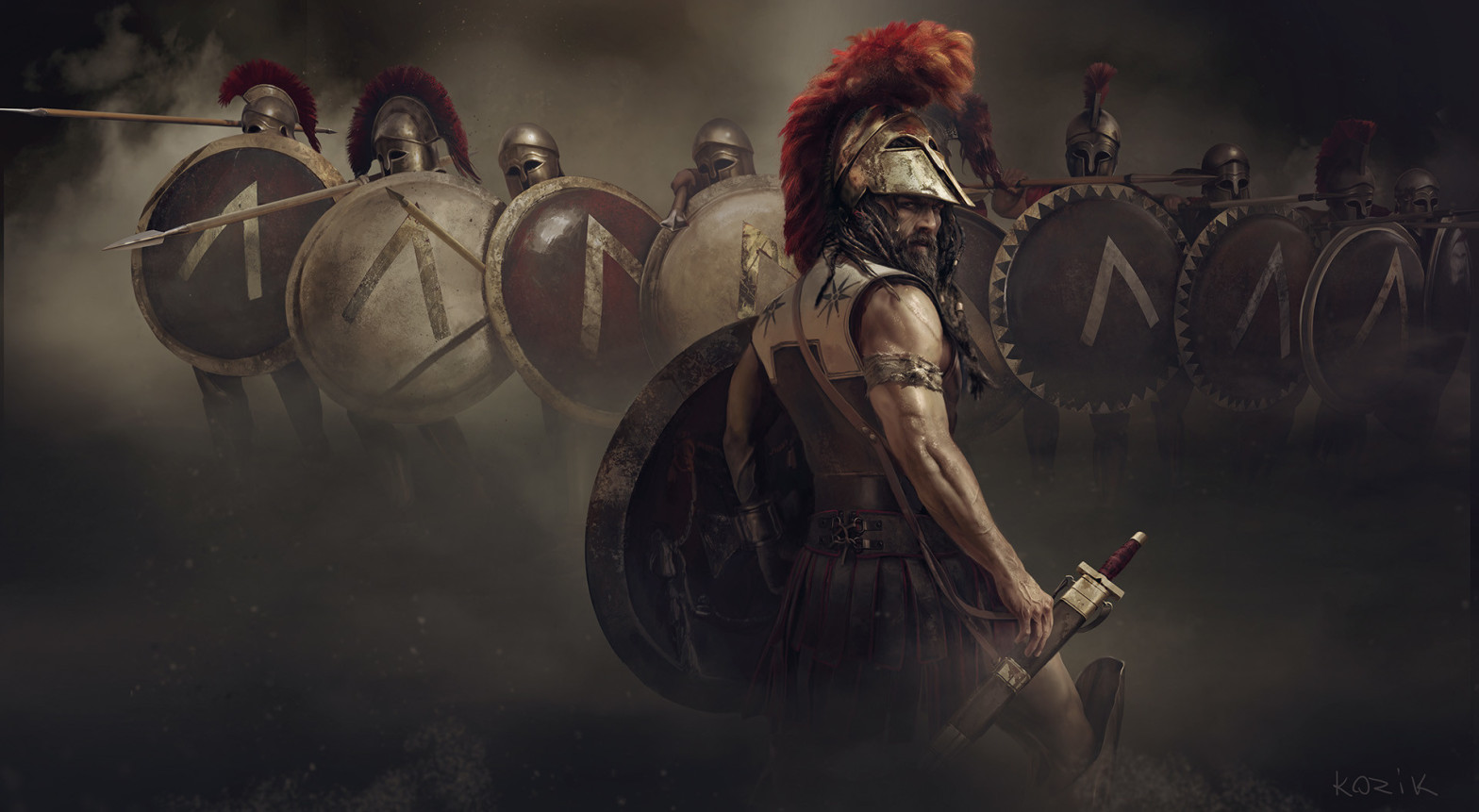
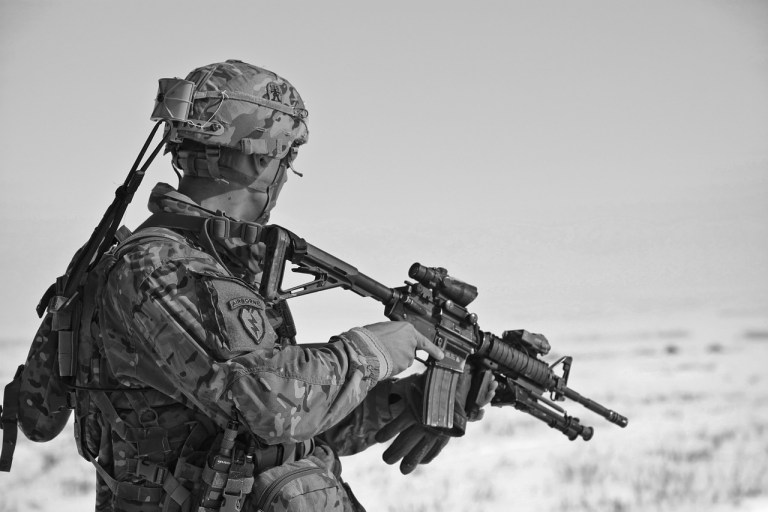

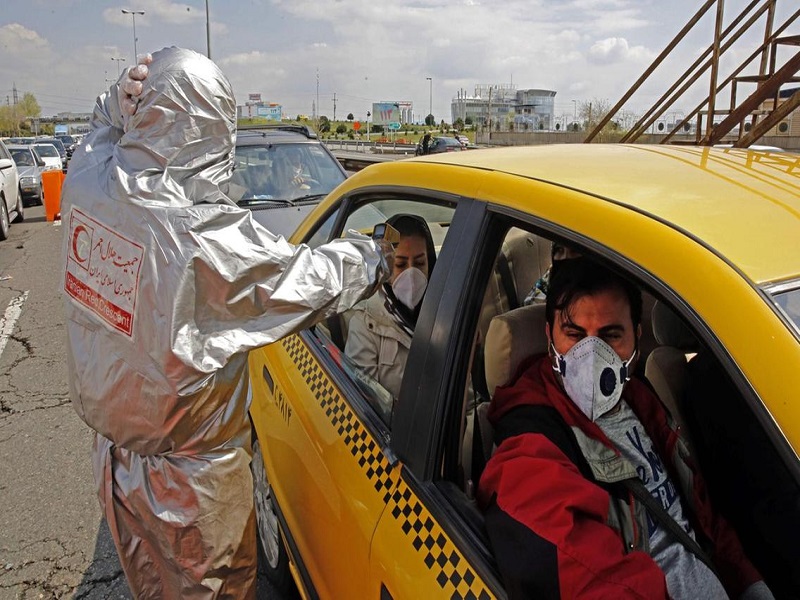
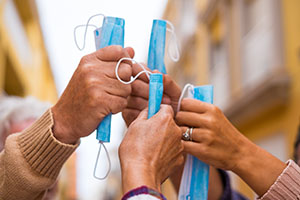

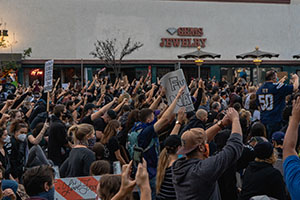
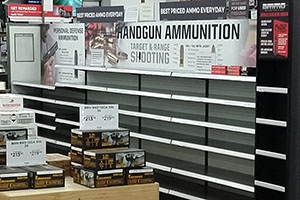
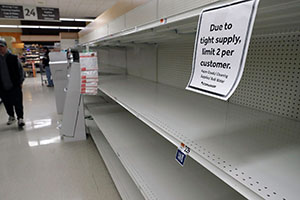

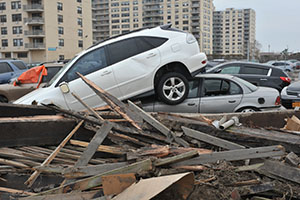
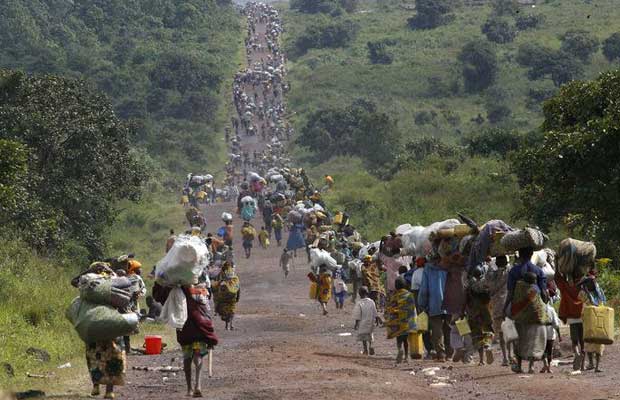


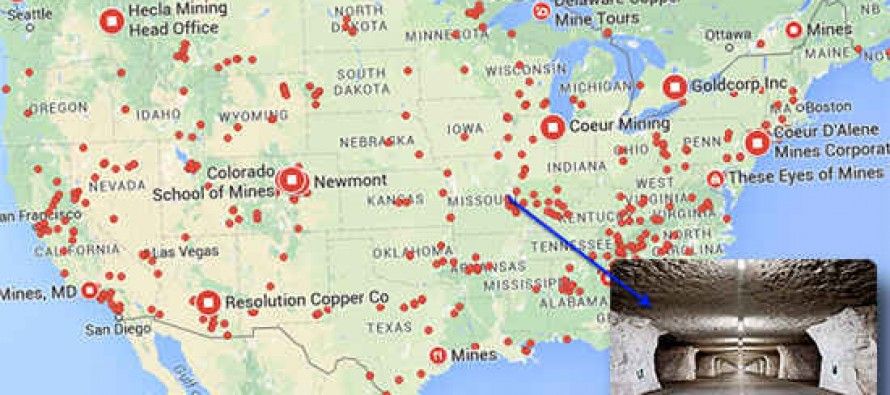
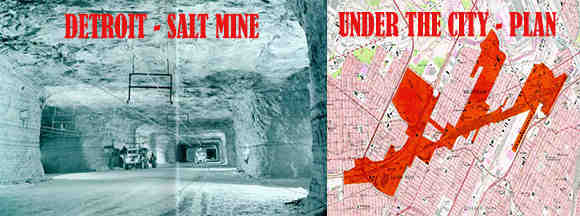
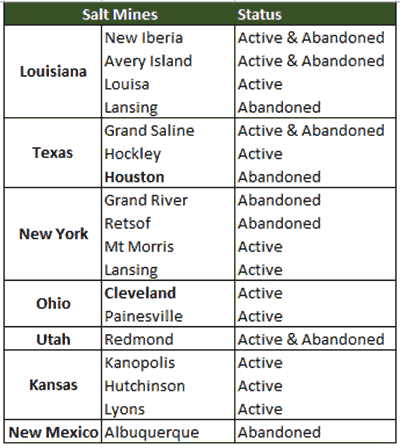
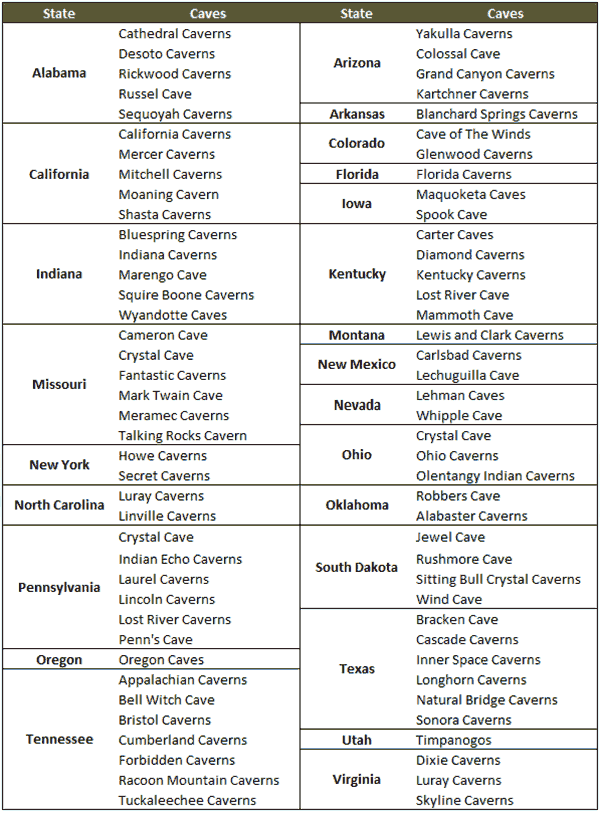
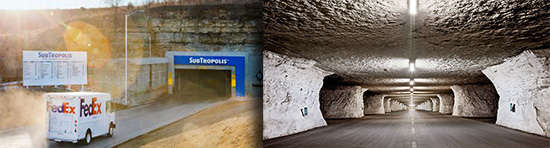



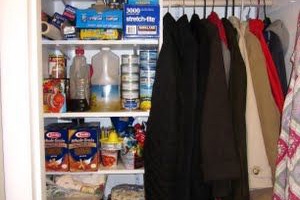



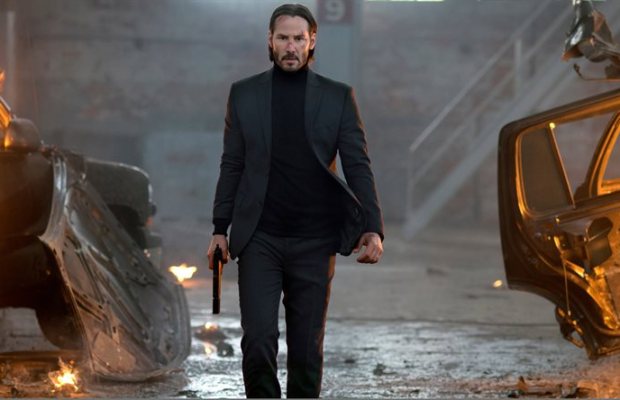


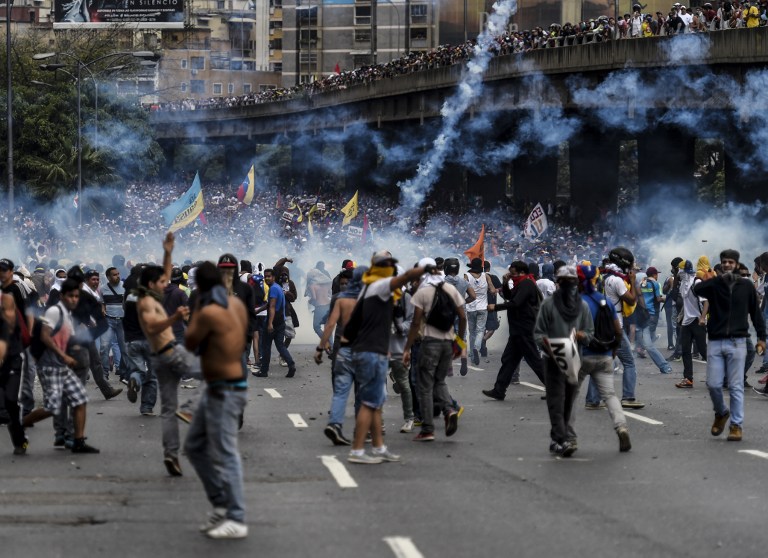
 SHTF
SHTF 