25 Must Have Survival Foods: Put Them In Your Pantry Now- I based an entire cookbook around these 25 popular pantry items because they are low cost, versatile, have long shelf lives and do not require refrigeration. Stock up on these today before the next emergency hits.

One of my favorite phrases that I tell new preppers is that “your preps are your lifeline.” We must put measures in place before a disaster is upon us in order to have these lifelines available to us when we need it the most.

Building an emergency pantry is one of those lifelines that takes both time and planning to make it fully functional. Ideally, you want to store shelf-stable foods that your family normally consumes, as well as find foods that are multi-dynamic and serve many purposes.

A few other points to consider when starting an emergency food pantry are:

  • To store emergency foods that will not require refrigeration, and should require little electricity or fuel to prepare.
  •  The food should have a long shelf life.
  • It should provide ample nutrition and contain little salt.

In my book, The Prepper’s Cookbook: 300 Recipes to Turn Your Emergency Food into Nutritious, Delicious, Life-Saving Meals,  I use the following essential food staples as the basis for the recipes. The following foods are all popular food staples that should be considered as must-haves for your emergency pantries. The advantages of storing these items, is they encompass all of the key consideration points listed above. Best of all, these items are very affordable and versatile, thus making them worthy of being on your storage shelves for extended emergencies.

Keep in mind, that water is your most important prep. You need water for consumption, food preparation, and sanitary needs. Ensure that you have a large quantity of water stored away for emergency use.

Stock up on the following items today to get your prepper pantry ready for the next extended emergency:

1. Canned fruits, vegetables, meats, and soups
2. Dried legumes (beans, lentils, peas)
3. Crackers
4. Nuts
5. Pasta sauce
6. Peanut butter
7. Pasta
8. Flour (white, whole wheat)
9. Seasonings (vanilla, salt, pepper, paprika, cinnamon, pepper, taco seasoning, etc.)
10. Sugar
11. Bouillon cubes or granules (chicken, vegetable, beef)
12. Kitchen staples (baking soda, baking powder, yeast, vinegar)
13. Honey
14. Unsweetened cocoa powder
15. Jell-O or pudding mixes
16. Whole grains (barley, bulgur, cornmeal, couscous, oats, quinoa, rice, wheat berries)
17. Nonfat dried milk
18. Plant-based oil (corn oil, vegetable oil, coconut oil, olive oil)
19. Cereals
20. Seeds for eating and sprouting
21. Popcorn (not the microwavable kind)
22. Instant potato flakes
23. Packaged meals (macaroni and cheese, hamburger helper, Ramen noodles, etc.)
24. Purified drinking water
25. Fruit juices, teas, coffee, drink mixes

Use this list as a starting point on the beginning or extending your preparedness pantry- and don’t feel handcuffed to only stocking up on these items. Always keep your family’s food preferences and dietary needs in mind when investing in your food supply. It would be extremely advantageous to have a two week supply (at a minimum) of these shelf-stable food items on hand to care for your family.

We never know when disasters or emergencies may strike, so why not be prudent and be ready for them before they affect our livelihood and well being.

Lessons from the Roman Army for Post-SHTF Combat Operations- Small unit tactics are more than just a matter of either superior arms or numerical advantages

Alright, we have done a couple of articles on “Knowing Yourself,” and “Knowing Your Enemy.”  Now that everyone knows one another, let’s take it to another level.  As a single individual, as a family member, or operating in a group, after it hits the fan, you will have to fight eventually.  You will not be able to avoid it and hunker down until the cavalry comes, because it will be in your neighborhood and the cavalry isn’t coming to your rescue.

We’ve discussed “Fabian Tactics” in previous articles.  These were based on the exploits of Quintus Fabius Maximus in the First Punic War between Carthage and Rome. “Hit and Run” tactics exemplify their description: strike a numerically superior larger force at a time and place of your choosing, and then break contact.  Fade back into the forest, hide, and avoid further combat until the next engagement of your choice.

Lessons from the Roman Army for Post-SHTF Combat Operations

Let’s “fix” ‘em: set the enemy up and zap ‘em!  Let’s do a few things that the Romans were famous for…using these techniques here and now.

  1. Choose the Ground: Yes, you choose the place you will engage them.  Along with this, you pick the time of day, the formation of the attack, the objective, and the criteria for withdrawal.  You choose it.  As an individual, you would be sniping.  As a group (depending on your numbers and composition), you can engage in operations limited by your size.  Choosing the ground means also to actively recon the enemy and not allow him to choose it and catch you unawares.
  2. Prep the Ground: The Roman Army were masters of this task. They scouted the area and with thorough intel, they knew where their enemies were, actions these people planned on taking, and avenues of approach.  They cut timber and created obstacles of logs interlaced with natural “barbed wire” in the form of thorns and thistles…along with spikes and stakes, to limit enemy cavalry.  Long before William Wallace of “Braveheart” was ever a thought, the Roman legions spread out hay soaked with pitch and oil in areas where enemy foot soldiers would move, and applied flaming arrows when the time was right.  They always took the high ground when possible, and used the natural terrain features (cliffs, rivers, etc.) to form boundaries to help them channel the enemy.
  3. Always Fight with the Sun at your Back: The Romans positioned themselves and attacked to place the sun in the eyes of their enemies. I know, I know: the enemy has “Ray-Bans,” right?  No, it worked for the Viet Cong as well.  When they’re looking into the sun, they’re at a severe disadvantage.  Use the sun.  Use the terrain.  Live with the land and live.
  4. “SPECVLATORES”- the Speculatores…the deep-cover operatives…the Special Forces and Reconnaissance warriors of the Roman Empire. You need operatives in your “unit” with the ability to do “deep penetration” of an enemy’s defenses…whether in their midst unsuspectingly or observing them from a nearby locale…operating on their own ground unbeknownst to them.  You need one or two people who can get the job done…and provide you with the deep-cover intel you’ll need to make decisions.
  5. Alliances – “The enemy of my enemy is my friend.” Not always so, but you can use such rifts to your advantage…with other groups who your enemy is at odds with.  Here is where diplomacy, teamwork, and political acumen/savvy comes into play.  These “non-combat” skills are just as important to “fixing” your enemy as any of the actual missions you will undertake to defeat him.  Be skilled at making alliances, and do not make them just for the sake of socializing.  It is an art that we will cover more in-depth in future pieces.
  6. Feed Them Disinformation: Yes, the Romans were very adept at sending messages or planting information that was false. This regarded their strengths, their movements, supplies, and reinforcements.  Sun Tzu was not the only one with a knowledge of how to monopolize disinformation, and he wasn’t the first to employ it.
  7. Lure Them and “Stake” ‘Em – the Roman Army would plant different things out in front of an approaching enemy force in order to delay and distract them…making them ripe for an attack or ambush. You can do the same, and make it fall “in line” with the enemy you’ll be facing.  Quick question: How many of you have Russian or Chinese canned delicacies, such as Borscht or caviar for the former, or imported Chinese canned foods and fineries for the latter?  Because you may be able to use it to lure such if they ever come to this country…and set a trap on or in it, or place shooters in an overwatch position overlooking it.  Because you may need prisoners, and what better way to lure them in than with a carton of their own cigarettes, their own liquor that they would think to be safe?      Be advised: SAVE YOUR RECEIPTS FROM THE STORE YOU BOUGHT IT!  This is because in the times to come if anyone ever suspects you of collaborating with them…you can show the receipts that you bought it all long before the conflict began, and give them an explanation of why you bought it all.  This may keep you from being shot by your own countrymen.
  8. The Violence of Action in a Controlled Manner – the Romans did not win their mastery over all of Europe and most of the Middle East by conducting drill and ceremony. They were trained, skilled killers and understood that the thing that made the Empire possible was the discipline and aggression of the individual legionnaire.
  9. A Perfect Chain of Command – Modern militaries all have a chain of command and an order of succession for someone to fill the “vacancy” at all levels when a commander “buys the farm,” so to speak. You need to enable each member of your team to be able to step into the shoes and position of the leader and take charge to continue with the mission.
  10. Discipline: this encompasses all areas. A “guerrilla fighter,” whether fighting off marauders from a neighboring town post SHTF, or a tyrannical, oppressive government, or a foreign invader…the guerrilla needs to be disciplined.  Physical toughness, adherence to standard operating procedures (SOP’s), a cool head and iron nerves, and endurance…the ability to keep this up for years…to go the distance.  These are the things that the Romans kept focused upon and central to their legions for many centuries.

In conclusion, small unit tactics are more than just a matter of either superior arms or numerical advantages.  They are based on common sense and knowing how to plan out your objectives, as well as a plan of attack.  You will have to be the “David” going against the Goliath, and although not shirking from battle, picking the time and place of your engagement, and the conditions and standards you will set to achieve those objectives.  It is no guarantee of success, but you are guaranteed to perform better with the proper planning, training, and clarity of purpose prior to a battle.  It can mean the difference between success and failure, life or death.  In this vein, I highly encourage you to study more about the Roman Army and the warfare in ancient times.  Take the time to clean the tarnished pitcher and you may just find a silver piece made by Revere.  The knowledge is there: seek after it and make your future rather than just allowing it to happen to you.

Lessons from the Roman Army for Post-SHTF Combat Operations- Small unit tactics are more than just a matter of either superior arms or numerical advantages

Alright, we have done a couple of articles on “Knowing Yourself,” and “Knowing Your Enemy.”  Now that everyone knows one another, let’s take it to another level.  As a single individual, as a family member, or operating in a group, after it hits the fan, you will have to fight eventually.  You will not be able to avoid it and hunker down until the cavalry comes, because it will be in your neighborhood and the cavalry isn’t coming to your rescue.

We’ve discussed “Fabian Tactics” in previous articles.  These were based on the exploits of Quintus Fabius Maximus in the First Punic War between Carthage and Rome. “Hit and Run” tactics exemplify their description: strike a numerically superior larger force at a time and place of your choosing, and then break contact.  Fade back into the forest, hide, and avoid further combat until the next engagement of your choice.

Lessons from the Roman Army for Post-SHTF Combat Operations

Let’s “fix” ‘em: set the enemy up and zap ‘em!  Let’s do a few things that the Romans were famous for…using these techniques here and now.

  1. Choose the Ground: Yes, you choose the place you will engage them.  Along with this, you pick the time of day, the formation of the attack, the objective, and the criteria for withdrawal.  You choose it.  As an individual, you would be sniping.  As a group (depending on your numbers and composition), you can engage in operations limited by your size.  Choosing the ground means also to actively recon the enemy and not allow him to choose it and catch you unawares.
  2. Prep the Ground: The Roman Army were masters of this task. They scouted the area and with thorough intel, they knew where their enemies were, actions these people planned on taking, and avenues of approach.  They cut timber and created obstacles of logs interlaced with natural “barbed wire” in the form of thorns and thistles…along with spikes and stakes, to limit enemy cavalry.  Long before William Wallace of “Braveheart” was ever a thought, the Roman legions spread out hay soaked with pitch and oil in areas where enemy foot soldiers would move, and applied flaming arrows when the time was right.  They always took the high ground when possible, and used the natural terrain features (cliffs, rivers, etc.) to form boundaries to help them channel the enemy.
  3. Always Fight with the Sun at your Back: The Romans positioned themselves and attacked to place the sun in the eyes of their enemies. I know, I know: the enemy has “Ray-Bans,” right?  No, it worked for the Viet Cong as well.  When they’re looking into the sun, they’re at a severe disadvantage.  Use the sun.  Use the terrain.  Live with the land and live.
  4. “SPECVLATORES”- the Speculatores…the deep-cover operatives…the Special Forces and Reconnaissance warriors of the Roman Empire. You need operatives in your “unit” with the ability to do “deep penetration” of an enemy’s defenses…whether in their midst unsuspectingly or observing them from a nearby locale…operating on their own ground unbeknownst to them.  You need one or two people who can get the job done…and provide you with the deep-cover intel you’ll need to make decisions.
  5. Alliances – “The enemy of my enemy is my friend.” Not always so, but you can use such rifts to your advantage…with other groups who your enemy is at odds with.  Here is where diplomacy, teamwork, and political acumen/savvy comes into play.  These “non-combat” skills are just as important to “fixing” your enemy as any of the actual missions you will undertake to defeat him.  Be skilled at making alliances, and do not make them just for the sake of socializing.  It is an art that we will cover more in-depth in future pieces.
  6. Feed Them Disinformation: Yes, the Romans were very adept at sending messages or planting information that was false. This regarded their strengths, their movements, supplies, and reinforcements.  Sun Tzu was not the only one with a knowledge of how to monopolize disinformation, and he wasn’t the first to employ it.
  7. Lure Them and “Stake” ‘Em – the Roman Army would plant different things out in front of an approaching enemy force in order to delay and distract them…making them ripe for an attack or ambush. You can do the same, and make it fall “in line” with the enemy you’ll be facing.  Quick question: How many of you have Russian or Chinese canned delicacies, such as Borscht or caviar for the former, or imported Chinese canned foods and fineries for the latter?  Because you may be able to use it to lure such if they ever come to this country…and set a trap on or in it, or place shooters in an overwatch position overlooking it.  Because you may need prisoners, and what better way to lure them in than with a carton of their own cigarettes, their own liquor that they would think to be safe?      Be advised: SAVE YOUR RECEIPTS FROM THE STORE YOU BOUGHT IT!  This is because in the times to come if anyone ever suspects you of collaborating with them…you can show the receipts that you bought it all long before the conflict began, and give them an explanation of why you bought it all.  This may keep you from being shot by your own countrymen.
  8. The Violence of Action in a Controlled Manner – the Romans did not win their mastery over all of Europe and most of the Middle East by conducting drill and ceremony. They were trained, skilled killers and understood that the thing that made the Empire possible was the discipline and aggression of the individual legionnaire.
  9. A Perfect Chain of Command – Modern militaries all have a chain of command and an order of succession for someone to fill the “vacancy” at all levels when a commander “buys the farm,” so to speak. You need to enable each member of your team to be able to step into the shoes and position of the leader and take charge to continue with the mission.
  10. Discipline: this encompasses all areas. A “guerrilla fighter,” whether fighting off marauders from a neighboring town post SHTF, or a tyrannical, oppressive government, or a foreign invader…the guerrilla needs to be disciplined.  Physical toughness, adherence to standard operating procedures (SOP’s), a cool head and iron nerves, and endurance…the ability to keep this up for years…to go the distance.  These are the things that the Romans kept focused upon and central to their legions for many centuries.

In conclusion, small unit tactics are more than just a matter of either superior arms or numerical advantages.  They are based on common sense and knowing how to plan out your objectives, as well as a plan of attack.  You will have to be the “David” going against the Goliath, and although not shirking from battle, picking the time and place of your engagement, and the conditions and standards you will set to achieve those objectives.  It is no guarantee of success, but you are guaranteed to perform better with the proper planning, training, and clarity of purpose prior to a battle.  It can mean the difference between success and failure, life or death.  In this vein, I highly encourage you to study more about the Roman Army and the warfare in ancient times.  Take the time to clean the tarnished pitcher and you may just find a silver piece made by Revere.  The knowledge is there: seek after it and make your future rather than just allowing it to happen to you.

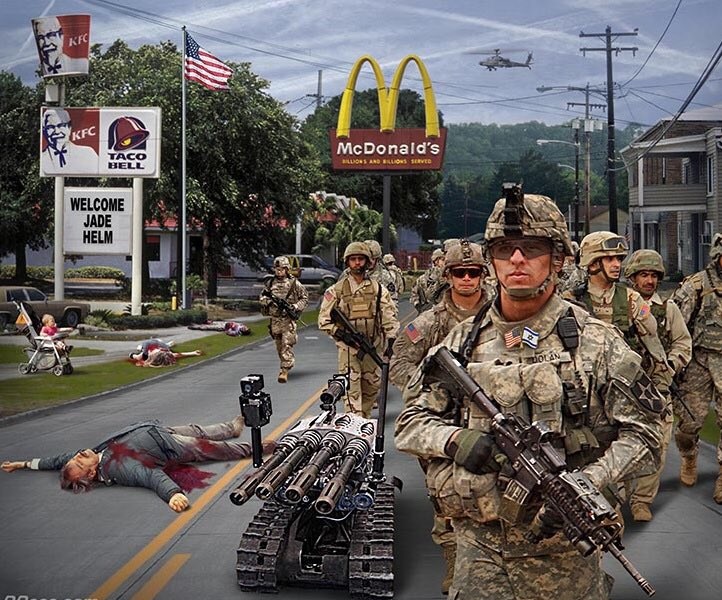
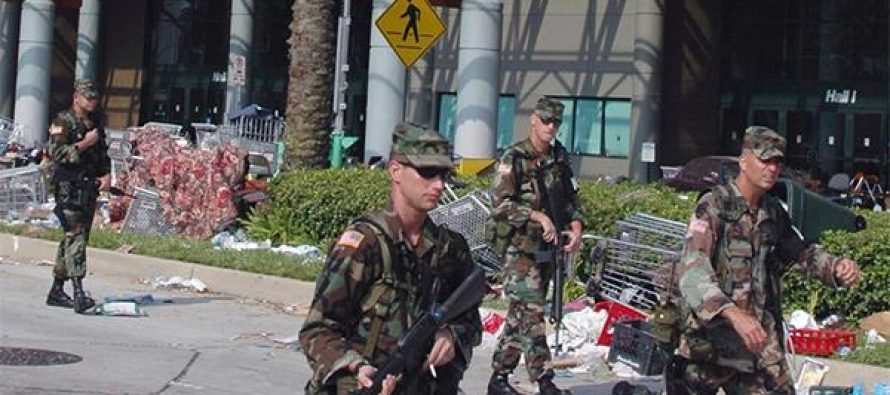
The Picture Illustrating This Article Says It All! The 6 Golden Rules of Surviving Martial Law: America – the greatest nation on earth – is currently facing unprecedented times of social unrest, and dare I say, this is just the beginning.

America – the greatest nation on earth – is currently facing unprecedented times of social unrest, and dare I say, this is just the beginning.

Regardless of who presides over the nation, we should always be aware of the so-called “shadow government” and their agenda. And mark my words: Our nation is in for times of massive unrest that were being plotted as early as 2015 and will continue until the “global agenda” pursued by George Soros and his allies is implemented.  The coming out-of-control riots may lead to a call for Martial Law, as I will explain.

America has been preparing for massive social uprisings for a very long time (a quick research on the topic will reveal this truth). What I am about to tell you next might come as a surprise for some of you, but most of the things that we experience are being manufactured.

Never in my lifetime have I seen America so divided.

Our politicians and the mainstream media have been endlessly pitting various groups against one another for years, and everywhere you look, hearts are growing very cold.

protester-riot-unrest

Trump’s victory has come as a surprise for many, but if we consider the new state of play of the world, where the economic crisis has led to global divisions driving, thus, a return to national interests over the global ones, voting for Trump has been the obvious choice. During difficult times, we must safeguard the values and interests of the American people. But manufacturing nation-wide protests during confusing times may be just what some might wish for in order to divide and destabilize the country in exchange for the ability to control us at all times. In case we don’t comply with their “desires” we will face dire consequences, as the infamous Zbigniew Brzezinski, the imperialist/globalist/war-monger and former policy advisor to Obama, said:

“Today, it is infinitely easier to kill a million people than to control a million people”.

After some extensive research on the matter, I am inclined to affirm that what we’re currently experiencing is just the beginning, and the protests are rapidly turning into violent riots. Although many commentators are claiming that martial law will not be declared, we can never be sure of what is being planned for us.

Did you know that if martial law is declared, Trump will be prevented from taking office?

Returning to the fact that Soros is behind most of the protesters’ actions, we must acknowledge that the fundamental reason for inciting violence is to create favorable circumstances for the President to legitimately institute martial law if the riots continue on the same path. This is how it will work:

  • The current protests are spreading rapidly, and when there is an increase in both violence and numbers, this movement will inevitably grow into a national riot.
  • If needed, due to extensive clashes, martial law will be declared. Therefore, when this happens, Trump will not be able to take office because Obama will stay in power for however long is necessary until the “National State of Emergency” has passed (Bernstein), (AMBELLAS). There is a good chance that this has been the back-up plan for some liberals all along (as mentioned earlier, there’s proof the protests are being staged) in order to further advance the globalist agenda that has been denied by our President-elect Trump.

So, here’s a glimpse of how life will be when martial law comes into effect:

  • Everything we own can become federal property (especially guns and food stockpiles, which will be the first to be confiscated).martial-law-usa
  • Curfews will be the new normal, while groups of armed men and women will patrol the streets at all times.
  • Access to food, water and other resources will be rationed. If your life depends on a daily dose of medication, you should start storing it in advance.
  • There will be sky-high inflation, and with a national debt of almost $20 trillion, the stage is set to sky-rocket a new financial crisis that will make the 1930s Depression look like a walk in the park.
  • Everyone will be considered suspicious. A short chit-chat with your neighbor about the “wrong” things can put your life on the line.
  • There will be no access to free Internet, while free press and the freedom of speech will be things of the past

The 6 Golden Rules of Surviving Martial Law

Prepper or no prepper, these are the 6 Golden Rules to follow if martial law comes to your town:

     1. First and foremost, talk with no one and trust no one.

Although the clear majority of preppers are already set to outlast any scenario that cuts them off from all the common supply lines, we must remember that under martial Law, everything that we own is able to become government property. Therefore, do not tell people about your supplies or secret hide-outs. I know it’s hard not to brag about your preps, but be careful to whom you’re talking

     2. Always renew your supplies and make sure you have a “basic martial law survival kit.”

A basic martial law survival kit would imply the following: electricity generator, water filters or even water generators (H2O Dynamo), weapons, food supplies for six months, first aid supplies, clothing for any type of weather, a flashlight, batteries, radio gear, and navigation equipment. Of course, you’ll need these if you want to stay put. If you want to go outside and face the music…that’s a different story.

     3. Avoid getting in the way of law enforcement or the military.

Even though some would advise that we be resilient to any violations of your constitutional rights, which, by the way, will be justified under martial law, the best survival tactics are to keep your cool and think before you react. You can always choose to fight back. These two options – bugging in or bugging out – will cause you to probably face the hardest decision of your life.

     4. Tune in and be up to date with the news.

It is crucial to stay informed and keep in touch with whomever you consider important. Every media outlet, as well as the Internet, will be controlled by the federal government, and you will not have access to any other information except what is being communicated by the state. Although this might be upsetting, you still need to know what is going to happen so you can be prepared for any situation.

     5. Cautiously develop a survival network.

Establishing a survival network would be an excellent idea considering the fact that we can never know for how long martial law will be imposed. Consequently, setting up a diverse group of preppers will ensure your long-term survival. But make sure you keep a low profile so that you and your group will not be targeted as perpetrators.

     6. Inspect and know your surroundings by heart.

You should be able to visualize your home turf even in your sleep. Ideally, you would also have a safe room. Make sure you have a blueprint of your area where you mark the closest escape routes, develop the quickest itinerary to a safe haven, and formulate the best and safest evacuation strategy.

The Art of War in the 21st Century (The supreme art of war is to subdue the enemy without fighting.)

Sun Tzu’s The Art of War is one of the most influential books written on military strategy and philosophy. This is not confined to just Asians but Europeans and Americans alike have attempted to study The Art of War hoping its wisdom would be revealed to them.

However, it is clear with how the western intergovernmental military alliance, known as NATO, has chosen to conduct itself since its inception in 1949, that western understanding of long-term military strategy has left much to be desired.

The largest folly they continue to commit is that they think that it is through stubborn force and intimidation that one gets their way. True one may be successful to a certain extent using mainly force, one may achieve that assassination of a key figure, one may convince the people that their ally is their foe, and one may get that regime-change they were hoping for, but these have all proven themselves temporary orientations in the long-term scheme of things. One reason for this is that the truth almost always eventually comes out

It is a very tiring strategy one has to admit, to be always using stubborn force, and despite all this force that one is constantly applying to the subject they wish to bend it never quite behaves as one commands it to, at least not for very long.

Despite this strategy being the most inefficient and energy intensive, that has not deterred imperialists from mulishly using it over and over again. The world has been an unbending subject to such a strategy since Churchill’s announcement of the Iron Curtain in 1946. That is, the world has been subject to an ongoing cold war for 74 years.

However, this seemingly never ending war has been a complete failure.

Russia, China and India are much stronger in every way than they were in 1946, despite all efforts to prevent this, and have become veritable leaders in the world. The world population in 1946 was roughly 2.5 billion people. No doubt there was the thought that if war continued as it did during WWII (which caused roughly 85 million deaths), that with a few more rounds of those kind of numbers, the ‘subject lands’ would be nicely culled and obedient to their masters. Instead we have seen the world population increase to 7.8 billion people, most of this growth occurring in the so-called ‘subject lands’.

Despite all the havoc and destruction, force has most clearly shown itself not to be the most powerful tool in weakening the ‘enemy’.

So what went wrong with a military strategy that seemed impossible to lose?

You must know yourself before you can know the ‘enemy’

If you know the enemy and know yourself, you need not fear the result of a hundred battles. If you know yourself but not the enemy, for every victory gained you will also suffer a defeat. If you know neither the enemy nor yourself, you will succumb in every battle.
– Sun Tzu

Despite the ridiculous amount of money that has been poured into the beast-man, otherwise known as the military industrial complex, the west is increasingly finding itself growing weaker and weaker against its said ‘enemy’.

So what are the ‘good guys’ doing wrong?

Ironically, while the west has been obsessively fantasising over all the things they relish doing to Russia and China when they have finally won this war, Russia and China have decided to actually focus on cooperation and the improvement of their nation states.

In other words, it is because Russia and China HAVE NOT been focused on war as their ultimate priority that their countries have been able to flourish and are prospering.

Here is an example.

Many in the west put anything to do with space, that is, the universe we live in, as the lowest priority on their list and I do mean lowest. There is more excitement and media coverage over a guy who broke the Guinness book of records for how many hot dogs he ate than astronauts going into space.

While the United States has been focused on tearing down its space program, Russia, China and India have been doing the very opposite. If you think the U.S. still has the best space program and will always be best, you may not be aware that American astronauts need to use Soyuz (Russian) rockets to go into space because the Americans shut down their own shuttle program in 2011.

While the U.S. State Department along with European nations, such as Britain, continue to mount a dangerous level of aggression against Russia, American and European astronauts need to fly to Russia so that they can ride in Russian Soyuz rockets to get to the International Space Station.

How boorish and ungracious is that?

That at the same time that there is hardly anything nice ever said about Russia by western politicians and press, these same countries then take for granted what Russia is doing in supporting their space programs. To showcase the grace of the Russians in all of this, Soyuz means ‘union’, and the Russians most evidently see this as a union not just for Russians but an international union.

In addition, the United States has banned any cooperation between American and Chinese astronauts and consequentially banned China from using the International Space Station, which ironically will be shut down by 2024. It was under Barack Obama’s presidency that this ban was implemented in 2011. The Chinese are planning on building a space station before the ISS is obsolete. And I think it is safe to say they will be open to American astronauts boarding their space station, in light of the fact that they have kept an open invitation to the U.S. to join the AIIB and the Belt and Road Initiative.

As a consequence to all the accomplishments Russia and China are making with their space programs, a wave of optimism for the future has swept their populace. Just ask anyone living in these countries what they think of their cosmonauts and taikonauts and they will all tell you the same, that they are heroes and a symbol for hope. When was the last time we in the west felt genuine optimism and hope?

This is a very indicative example of how the west’s priorities have caused themselves to look increasingly inconsequential on the world stage. They have viewed themselves as number one for so long that they really cannot fathom that this could ever change, despite it glaringly staring them in the face. The world is moving forward, no matter how much one beats their chest and stamps their foot, and the longer the tantrum the more time lost and the further back in the line one finds themself.

Increasingly the judge for success on the world stage in the 21st century, has not been shaped by the size of one’s military but rather on the growth of industry and science driver programs.

Warfare in the 21st Century

For to win one hundred victories in one hundred battles is not the pinnacle of skill. To subdue the enemy without fighting is the pinnacle of skill.
– Sun Tzu

There a many different forms of warfare, but namely there is warfare that exists in the physical domain of aggression vs defense and warfare that exists in the mental domain of ideas.

The majority of tyrants from the ancient times to present day, have always had a network of powerful people behind them (whether they were aware of it or not) that opened up a path for them to sit on the throne so to speak. For example, we now know that there was a very direct support of Hitler coming from the Bank of England amongst other very influential institutions. That is, Hitler did not arise to power ‘naturally’ or by his mere merit.

The desperation of that economic environment in Germany was predictably formulated as a direct consequence of the Treaty of Versailles which was essentially a death sentence to the German people. And Hitler who had started to make a small name for himself was selected and endorsed as the ‘face’ of what had already been decided would be the fate of Germany.

Wars have almost always been the result of funding and organising from powerful groups with geopolitical interests, often of empire, who create an environment of disinformation and desperation amongst the people through economic and military warfare along with color revolutions.

However, once there was the creation of nuclear bombs, geopolitical warfare was changed forever.

Though we still use much of the same old strategies today, war is ever more located on the plane of ideas, and along with this the ever increasing focus on the manipulation of information and the populace’s perspective of who is good and who is bad.

The war that needs to be fought against the present tyranny is thus increasingly a mental war. In the case of the populace, all together they hold more power than they realise. The real crisis of today’s western thinking is that the people have forgotten how to think. Attention spans have gone down drastically along with a functional vocabulary. People are becoming more and more dominated by image based messages rather than content that requires more than a 10 minute attention span. Articles in the news keep getting shorter and shorter because people seemingly cannot be bothered with too much reading. Along with the serious decline in reading in replacement for quick entertainment (more successful than any book burning in history), people no longer bother to work for a comprehensive viewpoint. Information becomes an annoying barrage of ad campaigns, each yelling louder and more frequently than the other.

The solutions to our problems such as the oncoming economic collapse (in case you haven’t noticed we are doing everything the same as pre-2008), have their solutions in what Russia and China are presenting. The initiation of war has almost always been presented as a false ‘necessity’, that is in response to the dominating geopolitical ‘balance’, which is basically meant to service the present system of empire, and the erroneous belief in zero sum game.

However, the idea that humans exist in a zero sum game, doomed to battle forever over a diminishing return of resources, was disproven time and again in modern history through the application of successful principles of national political economy. Notable examples of which include Colbert’s dirigisme of France’s 17th century (later revived during the presidency of Charles De Gaulle), the Hamiltonian system of America as exemplified by Abraham Lincoln’s Greenbacks, FDR’s New Deal, and JFK’s space program as well as its most recent expression of China’s Belt and Road Initiative.

This system understands that fast money is parasitical and acts in direct opposition to the long-term investments required for projects that will revolutionise a nation’s infrastructure, including science-driver programs.

That debt for such long-term projects is not qualitatively the same as the present debt we see accruing today, and that debt towards investing for the future will always yield a higher return than the cost over time. This is why debt towards long-term investment on infrastructure and science driver projects, such as space exploration, will always be sustainable with a massive return quantitatively and qualitatively. Whereas, the gambling of fast money will very predictably lead to a collapse as was clearly indicated by the 2008 financial crisis, and which insanely has yet to be addressed with a serious bank reform.

The higher battle ground is being fought on the plane of ideas and which proposed ‘new system’ will replace the current collapsing one we are presently in. On the one side the hegemonic rule of a one world government who thinks that they can use force and oppression to rule and on the other side a multi-polar system of cooperating nation states committed to progress that will offer a real qualitative return for the future.

The 75th celebration of Elbe Day just occurred on April 25th, this is the day American and Russian soldiers met for the first time in WWII. Their handshake at Elbe River was a symbol for the end of the war against fascism and a strong comradery formed between these men who became united as defenders of liberty.

So who is the ‘enemy’?

The enemy is our lesser selves.

Our most base fears, desires and obsessions. The voice that whispers in our ears telling us not to believe in anything genuine or honest, that the world we live in will ultimately destroy itself and thus it is all about looking out for number one. That it is our fate to be the play things of higher powers.

This is the voice of a prisoner of Plato’s cave, neck shackled and looking at only shadows on a wall. This is not reality. This is the voice of someone who has been enslaved for most of their life. The voice of someone who has become so disempowered that they wholly accept whatever ugly condition is imposed upon them and will even work to defend it as necessary.

There is a way out of all of this, but you will have to become an optimist in order to see the solution.

President Putin has used The Art of War most skillfully and has shown that he not only knows himself but knows the said ‘enemy’. That it is not by force that one will win this drawn out war but by the ability to predict your opponents actions and circumvent them with something…positive.

And therefore, President Putin understands the most important lesson of all in this philosophy, that The Art of War is in fact The Art of Peace:

The supreme art of war is to subdue the enemy without fighting.

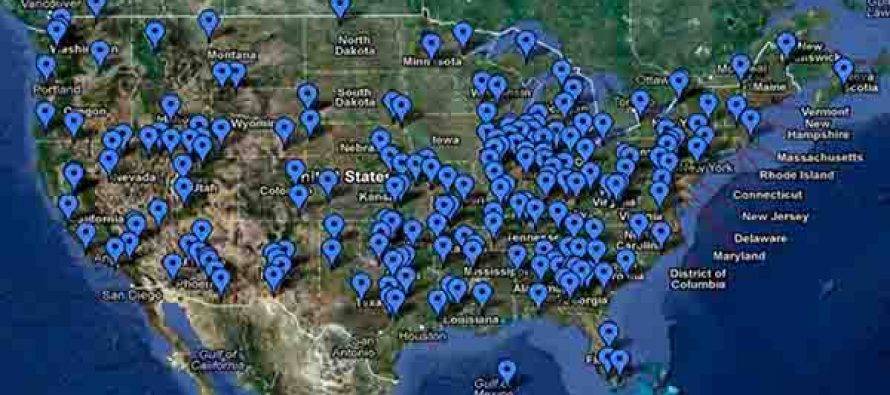
Find Out What Areas Would Be Targeted by FEMA When SHTF (they’ll take your supplies)

Something a lot of preppers worry about is the thought of having their carefully accumulated supplies confiscated by the government and redistributed to people who didn’t bother to prepare. That’s understandable; who wants to see their family go hungry because their food has been taken away?

The government agency people worry about most is FEMA.

It’s responsible for disaster management, and one of its jobs is to distribute food to victims of a disaster. That makes it an obvious focus of concern for anyone who has food stockpiled. But what’s the truth? Is FEMA really planning to confiscate your emergency reserves?

This might be controversial but no, they’re not. FEMA really don’t want to go door to door, confiscating stored food so they can redistribute it. Their legal powers to do this are very dubious, for a start. Some websites claim that Executive Order 10998, a Kennedy-era law, gives FEMA the authority to seize all food supplies. Good news – it doesn’t. Nor does any other EO. Realistically, the last thing FEMA want to be getting involved in is confiscating private food supplies. Apart from anything else it would be incredibly manpower-intensive and most likely pretty dangerous. They’d need to search every house for supplies that people hadn’t admitted to having, and it’s safe to say that anyone who did have three months’ worth of food in their basement wouldn’t be too cooperative about handing it over.

So does this mean you can relax and stop worrying about FEMA coming for your food?

Well, not quite. Depending on what sort of disaster we’re talking about – and on where you live – it’s possible that government officials will try to confiscate private supplies(see what you can do to avoid that)

FEMA’s immediate response to a disaster is to bring in food supplies from its own stockpiles. If that isn’t enough – and if the disaster affected more than one or two states, it probably wouldn’t be – they would turn to large food processors. Handing a canned goods factory a requisition order and promise of later payment is quick and easy. If even that wasn’t enough, wholesalers, warehouses and grain silos would be their next ports of call. Bulk food is what FEMA are looking for. It’s easier to transport, and nobody’s going to shoot at them when they come to take it. Plus, in most of the USA, there’s a lot of bulk food available for requisition.

But what if there isn’t? Sure, a storm or even a big earthquake isn’t going to destroy bulk supplies across a wide area – but a nuclear attack would. Food processing plants, distribution centers and animal feedlots tend to be located near transport hubs, and those are prime targets for enemy nukes. A lot of food supplies are going to go up in smoke.

Not all of the will, of course, but destroying transport hubs also means it’s going to be hard to move what survives. Large areas of the country – anywhere that doesn’t have a food processing industry – are going to be cut off from the supplies that do exist. And that’s when FEMA – or, more likely, local officials – are going to start thinking about confiscating private food stocks.

They won’t get to that right away, of course.

There will still be wholesalers and supermarkets, and they’ll take control of those as quickly as they can. Even local grocery stores will be checked out, and if they have a stock room that hasn’t been looted yet, that will be seized. How much will they get, though? Nowhere near enough. Expect stores to be mostly empty anyway, if there was any warning of the crisis – panic-buying will have cleared the shelves of most food. Looters will have taken a lot of what’s left. Realistically, what’s left in the stores is going to feed people for a week at most. If transport from the main food stores isn’t up and running by then (and after a nuclear attack, it won’t be) that’s when someone might come looking for private supplies. So who’s most at risk?

The biggest risk is if you have neighbors who know that you’re a prepper.

If they’re hungry, and they know you have supplies, they’re going to tell any passing government official – whether that’s a FEMA team or a local cop – that they know where a load of food is stashed. Most likely, a few minutes later you’ll be getting a knock on the door and someone will be telling you it’s time to “help the less fortunate” by turning over most of your food. The more you can do to keep your preparations quiet, the better.

On a larger scale, if you live in an area with a large food processing industry, and this isn’t destroyed in an attack, there is little or no risk of anyone trying to confiscate your supplies. However, if there’s a likely target near this industry – an airport, major freeway intersection or port, for example – then it’s likely the food stocks there will either be destroyed or made inaccessible. If that happens there will be a serious food shortage, and a confiscation program is very likely.

The risk of confiscation also depends on what farms in your area are producing. If they’ve just brought in a large crop of wheat or corn, this will be a high value asset for FEMA and they probably won’t be interested in your supplies. Other types of farming can be a different story. Livestock isn’t a great emergency food source. Processing it into meat is labor-intensive, and FEMA would struggle to do it, so they’re much more likely to consider confiscation. The same goes in fruit-growing areas. Fruit isn’t an ideal food source and it also doesn’t last very long. Stockpiled emergency rations are specifically chosen for their long life and nutrition, so they’re going to look much more attractive to FEMA or local authorities.

In short: if you live in any state with a coastline you’re at higher risk of the government trying to redistribute your supplies.

If there’s a major city within 50 miles of you, you’re also at higher risk – cities need a lot of food, especially if food processors and warehouses around it have been destroyed.

The states with the lowest risk of confiscation are the Midwestern states that grow a lot of wheat and corn. There will be plenty food available for FEMA to requisition and distribute. Even if it’s not harvest season, thousands of tons will be stored in silos, warehouses and processing plants.

If you want to be safe from confiscation, the best places to be are in rural areas of Iowa, Illinois. Nebraska, Indiana, Minnesota or Ohio. That’s where the bulk of the easily distributed food is, so there will be no shortage of supplies for FEMA to hand out. If they can get their hands on tons of food in a facility designed for easy loading onto trucks, they won’t be interested in your supplies.

Even if you’re not in one of the higher risk areas, though, the best thing you can do is not advertise that you have a food stockpile. FEMA might not be interested, but your neighbors will be. You’re prepared to defend your supplies – but why attract attention you don’t want? If someone tries to take your food there’s no guarantee you’ll be able to stop them, so keep your preparations as discreet as you can. Even the government can’t take what it doesn’t know about.

15 Reasons You’ll Need A Dog After The SHTF- A good dog isn’t just another mouth to feed when SHTF, but a vital part of your family’s survival and well-being.

If you’ve ever had a dog for a pet, you probably know how great they are. But a dog might become an even more critical member of your family when disaster strikes. If you’re thinking of getting a dog, you might want to consider what kind of dog would be best during a crisis and what you might want to train him or her to do to help your family after the SHTF.

Here are 15 reasons you’ll need a dog after SHTF along with some great dog breeds that can help you in times of disaster.

1. Protection

A guard dog is an excellent way to protect yourself in an SHTF situation. Dogs can be trained to protect their owners, their homes, or other animals. A dog on alert can protect you from wild animals and even intruders. German Shepherds are known to be very loyal to their owners and will even put themselves between their family and harm.

2.  Rodent Control

In a disaster situation, on a farm, or even in the city, rodents can become a real problem. Certain types of dogs, especially those in the terrier family, were originally bred to catch these nasty pests.

Westies, Schnauzers, and Jack Russel Terriers are great dogs for this job, too. Having a dog around to seek and destroy rodents that can contaminate your food supply or injure your animals will help you stay healthy.

3. Search and Rescue

Dogs have a keen sense of smell and can help locate people who are lost in the woods, missing children, and even lost animals. Bloodhounds are notorious for being able to track a scent, but other breeds of dog can do it, too.

4. Deterrent

Looters, thieves, and wild animals will be much less likely to pilfer your property and goods if you have a dog around. The noise of a barking dog will keep pilferers looking for an easier, less noticeable target.

Any dog with a propensity to bark can work, but a dog with a deep, loud bark might be best. Both beagles and border collies are known for their big voices.

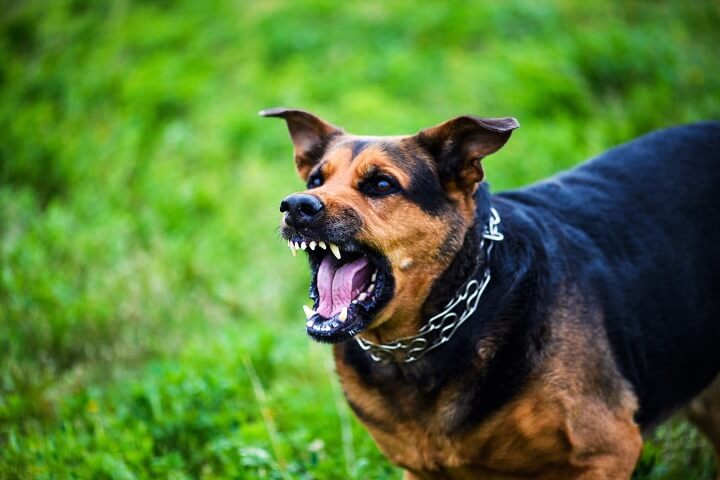
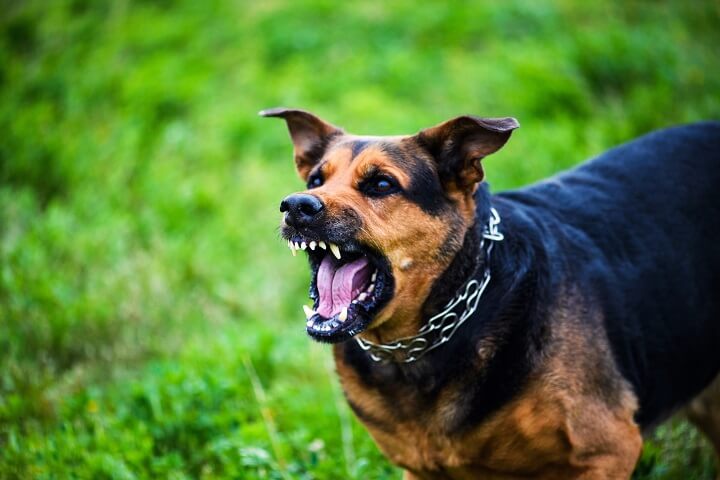
Angry Dog Barking

5. Sound the Alarm

In a real SHTF situation, your professional alarm system may not work. But don’t worry, your dog can let you know when someone is around that shouldn’t be.

A dog can sound an alarm to let you know if there are intruders, predatory animals, and even fire or other potential problems. Beagles and bloodhounds, and even small feisty pups like chihuahuas can alert you quickly.

6. Find Food

A good hunting dog can point you in direction of food, from deer to duck to other animals. They can help you locate animals that have already been hunted. They may also be able to sniff out other food sources such as fruit or berries. Labs, beagles, and springer spaniels make great hunting companions.

7. Herd Animals

Dogs have been trained for many years to help with herding animals including cows, sheep, chickens, and goats. From Australian Heelers to adorable corgis, these dogs have a long history of keeping track of livestock. They can round them up and bring them into the barn for the night or drive them out to pasture in the morning.

8. Protect Animals

Livestock Guardian Dogs, or LGDs, are trained to live with their herd and protect them from predators and wild animals. A well-trained LGD will fight off everything from raccoons to foxes and even bears in order to protect their animal herd. Great Pyrenees and Anatolian Shepherds are often used as LGD’s because they are smart, loyal, and very trainable.

9. Assistance with Tasks

There are great reasons that dogs such as labs are used to assist people with disabilities. They can learn to do specialized assignments that help people. For example, some dogs are able to pick up small items such as papers or coins off the floor and hand them to their owners. These abilities make dogs great helpers for all kinds of tasks.

Dogs, especially Labradors, can be trained to:

  • Open and close doors and cabinets
  • Fetch specific items such as tools
  • Turn handles
  • Move things

10. Deliver Items or Messages

When the SHTF, you may lose cell phone service. How will you communicate with people back at the homestead when you’re out hunting? You can send your dog.

Dog Delivering Message

If your dog knows the way, he or she can carry messages back and forth between two parties. German Shepherds, Dobermans, and Airedales were used in war times as messenger dogs and there is no reason they can’t do this today.

11. Seek Help in Emergencies

St. Bernard dogs are well trained to help people in emergencies and life-threatening situations. They can carry first aid supplies, assist the wounded, and go for help when they find a person in trouble.

12. Detect Health Problems

Dogs are being utilized more and more to detect health problems and can even stop some medical emergencies before they become serious. A trained dog might be able to sense a seizure or diabetic shock before it happens.

They can sniff out life-threatening allergens and possibly be able to smell viruses in people who may not even show symptoms. Australian shepherds, poodles, and labs are just some of the breeds that can be trained to detect health issues.

13. Guide

No one wants to get lost in the dark, but if you are, your dog might be able to guide you home anyway. Not only do dogs have a great sense of smell, they have better vision in the dark than people do.

Dogs like German Shepherds and Golden Retrievers are often trained to guide people who are blind through cities and towns and can lead their owners to places such as home or work on command.

14. Warmth

It can get awfully cold outside, and when SHTF, you may have trouble heating your home. On the other hand, if you are lost in the woods or trapped in a vehicle in the cold, your dog can help you keep warm. Siberian Huskies and other cold-loving dogs are furry bundles of warmth that can help you stay warm by snuggling with you on a cold night.

15. Entertainment and Exercise

Playing with a dog and walking a dog are great forms of exercise and entertainment. Although play may not be seen as a survival skill, having some entertainment on long, lonely days can bring joy to an otherwise bleak situation. Golden Retrievers are great family dogs that love to play and young labs have plenty of energy to run.

Bonus Reason: Boost Morale

Pets of all kinds, especially dogs, are known for boosting morale. Studies have shown that caring for and petting a dog can help reduce stress and encourage positive emotions.

Since SHTF can be a very trying time emotionally, a dog who can help you feel better is worth having. Feeling hopeful and having emotional grit is a key part of survival, and having a loving, happy dog of almost any breed as a companion can help you do just that.

Finding the right dog breed for your family is a very personal matter. There really is no one-size-fits-all approach to picking the right dog for SHTF. However, any dog that suits your family well can be trained to some extent and will support your family and boost morale.

A good dog isn’t just another mouth to feed when SHTF, but a vital part of your family’s survival and well-being.

NewsBlog The Police and Military when SHTF – Friend or Armed Foe? Any police or military forces which were still in operation, would be there as part of whatever government managed to survive!

Preparing to survive in a post-SHTF world is challenging. More than anything, we have to realize that we’re preparing blind. We don’t know what sort of disaster we’re facing or what the post-disaster world is going to look like. With those two pieces of information missing, it’s hard to know exactly how people will react and what they will do. Therefore, we must prepare for the worst.

There is a wide-ranging assumption that public servants will abandon their posts. I would have to say that this assumption is totally unfair. We live in a hurricane zone and my wife is a city employee. She and her co-workers are required to agree that they will stay on the job, protecting the citizens of the city and keeping city services running, both during and after a hurricane. While a few might abandon their posts if things get bad enough, most seem to be people who will follow through on that requirement.

But what about a worst-case scenario? What about in the wake of an EMP or other grid-destroying event, which would result in a true breakdown of society and the banking system; a situation where they would no longer be paid to do their jobs?

That’s a difficult question. For some, like my wife, their positions probably wouldn’t exist anymore. But the real issue here is emergency workers and law enforcement officers. We would greatly need their services in the wake of such a serious disaster. Would they stay on the job or would they feel they had to abandon their posts to care for their families?

There’s really no way of knowing the answer to that question until the time comes. It is a very individual question, so I imagine that some will stay, while others leave. Whether they stay or leave will largely determine whether they are friend or foe.

The Cops Who Stay on the Job

Police officers tend to be highly disciplined individuals, much like soldiers. In fact, many start out as soldiers, then move to law enforcement when they get out of the military. As such, they are largely people with a high regard for the law. Oh, there are the few bad apples; but despite stories saying otherwise, there aren’t many of them.

Those who stay on the job will be concerned with maintaining law and order in the worst of circumstances. They will also be subject to the politicians who are still in place over them. This means that if those politicians declare martial law, they will most likely enforce martial law, unless they believe that to be an unlawful order.

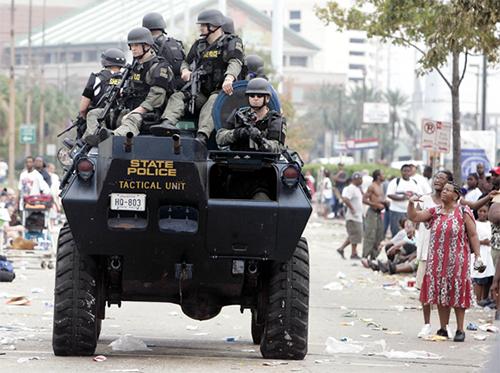
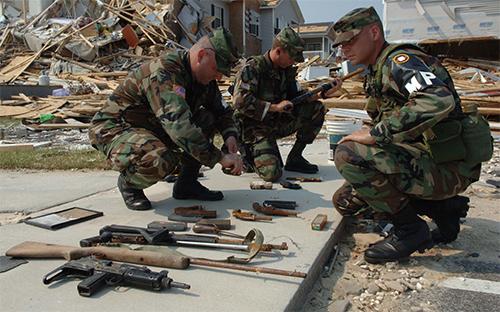
This could get sticky. As we saw during Hurricane Katrina, declaring martial law would probably mean they would be confiscating guns as well. That would put the police in the position of appearing to be the enemy in the eyes of any Second Amendment supporter. Whether or not they actually became an enemy would depend on how you, I and other gun owners would react to them. If we use force to reject their orders to turn over our guns, they will use force in response. That makes them our de-facto enemies.

The Cops Who Abandon their Posts

Some police officers may choose to abandon their posts, especially if they feel that their families are in danger. In that case, the question is what they will do to protect and care for their families. While there are very few bad cops out there, there is always the possibility that a cop will turn bad in such circumstances, out of desperation to take care of their families.

These people will be dangerous, because they will be able to present themselves to the public as law-enforcement officers, when in fact they are acting like criminals. There could even be some cases in smaller communities, where the police take over, much as warlords take over in times of anarchy. Should that happen, the police in question would be extremely dangerous.

It would be our duty, in such a case, to stand up against the police. But here’s the problem. How do you tell if what they are doing is in the public interest, or just in self-interest? If they are acting in the public interest, our duty is to support them, so we need to be sure they are the enemy, before treating them as such.

The National Guard

If military forces are called out to help gain control, it will be the National Guard, not the active military. US law prohibits the use of US military forces within the borders of the United States. Even if politicians in high places wanted to use the regular Army, it is doubtful that Army officers, all of whom know that prohibition in the law, would allow it.

But state Governors can call out the National Guard to help law enforcement in maintaining law and order. It’s not unusual for this to happen in the case of natural disasters. I would say that we should expect it to happen in a true SHTF scenario.

National Guard forces are US Army reserve soldiers and formations, which are “owned” by the governors of the several states. They serve a dual role, both as state owned military forces and reserves for the federal forces. If called out in a disaster situation, they could serve either to support law-enforcement or to provide disaster relief. In either case, they would be armed.

The Police and Military when SHTF – Friend or Armed Foe 2

Should martial law be declared, it is highly likely that the National Guard would be called out. If guns are confiscated, they are the ones who would most likely do the confiscation. They would probably be as polite as possible about it; but if they decided to obey that order, they would do their best to fulfill it.

However, the National Guard, like other military forces, is made up of predominantly conservatives. There’s a very good chance that they would refuse an order to disarm the population. Military officers swear an oath to uphold the Constitution and they would likely see the disarm order as a clear violation of the Second Amendment. As such, it would be their duty to refuse that order.

UN Troops

Of all these options, UN troops is the most dangerous. Any decision to use UN troops would have to be made at the federal government level. Were such a decision to be made, the troops which would be brought in to help maintain civil order would not be American troops. They would be unfamiliar with our culture (other than what they had seen in movies) and unfamiliar with our laws.

To these troops, a firearm confiscation order would seem perfectly reasonable, especially when you consider that they would probably come from a country where they don’t enjoy our Second Amendment protections. There would be no appeal to them on the grounds of our Constitution.

Should this happen, refusing an order to turn over your guns would be dangerous. The only thing that would protect any of us is the fact that there is no federal gun registration. Even so, there are states which require a permit to own guns, as well as concealed carry licenses which many of us have. That would give them a starting point for where to look.

Getting into a battle with armed troops is foolish. In such a situation, the only practical recourse is to hide all your guns where they won’t be able to find them, with the exception of a few, which you could then allow them to confiscate, making them think you’ve obeyed the order.

Regardless of the specific situation we would end up encountering, chances are that any police or military forces which were still in operation, would be there as part of whatever government managed to survive. Unless such forces decide to go rogue, we can count on them being there to help.

That doesn’t mean they’ll be our friends though. Unless you know them personally, they will look on you with suspicion, just like they will everyone else. Anyone carrying a weapon openly will be suspect. That doesn’t mean that they’ll hassle you, take away your weapons, fire upon you or arrest you; it just means that they will be watching to make sure that you aren’t a problem that they need to deal with.

The best thing you and I will be able to do in such a situation is to keep ourselves below the radar, so that we aren’t noticed. If we are not noticed, hopefully we will be left alone.

Should orders go out to confiscate any supplies that are stockpiled, it would probably be a good time to put our bug out plans into effect. Hopefully, we’ll all have a cache of supplies elsewhere, so that when we lose the supplies that we have stockpiled at home, we’ll still be okay.

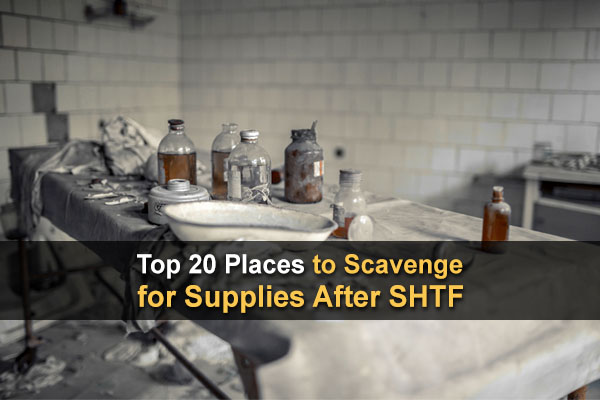
Top 20 Places to Scavenge for Supplies After SHTF- (Obvious sources like grocery stores or home improvement stores will be wiped out almost immediately)

Some of you might be thinking, “I’m a prepper, I won’t have to scavenge for supplies. I already have everything I need.” Maybe, maybe not. Even if you’ve been prepping for years, it’s still possible you forgot a few things. But even if you didn’t forget anything, you could still end up in a situation where you need something you never thought you’d need.

What if you have to take in a pregnant woman or a parent with a small child? You may have to go looking for baby formula. What if your mother’s prescription medications are lost or destroyed? You may have to go looking for replacement meds. What if a crucial piece of gear is damaged? What if you need parts for your shelter or vehicle? These are just a few possibilities off the top of my head. There are dozens of situations you won’t think of until you’re in them.

The point is, you might have to scavenge for supplies after the shit hits the fan. If someone’s life is on the line, you’ll have no choice. But before I explain how to scavenge, I want to clear up some confusion about the difference between scavenging and looting.

Scavenging is Not Looting

After hurricane Katrina, we all saw videos of people running down the street with arms full of jewelry and electronics. Were they scavenging or looting? I think that’s pretty clear. Looters are not looking for things they need to stay alive; they’re just taking advantage of the situation.

Looters know someone is going to miss the stolen items. They know the owner will eventually return and find out what’s missing. For these reasons, looters are no different from common thieves.

Scavengers are completely different. They only search for things after the end of the world as we know it, and they only take things that have been discarded or are unlikely to be missed.

There could be a situation where you have to take food or medicine that will be missed, but I believe this is justified if someone needs it to live. Taking food or medicine right out of someone else’s hands is another matter.

I know of some legalists who insist that stealing is stealing no matter the circumstances, but in my opinion, morality is not a simple list of do’s and don’ts. And frankly, people who are squeamish about morally gray areas will not do well after the SHTF.

Moving on, here’s how to scavenge after the SHTF.

Send a Scout

If you know the area you want to search, it’s a good idea to send a scout with binoculars, a radio, and a gun.

Scouts should use their binoculars to watch the area for a few hours and make sure no one is living there and that there are no bandits lying in wait. It might sound paranoid, but some people become very dangerous when there are no police to keep them in check.

The last thing you want is to get robbed or possibly killed while scavenging for supplies.

The radio is so your scout can stay in touch. If the area is compromised or not worth the trouble, the group’s leader can instruct the scout to return or to check another area. If you lose contact with your scout, you’ll know something is wrong and can send reinforcements. But the reinforcements need to be careful not to wander into a trap.

The purpose of the scout’s gun should be obvious.

When surveying the area, the scout needs to note any obstacles that might make the area more trouble than it’s worth. Examples include barbed wire fences, high walls, ditches, streams, and so forth. All these things might make it too difficult or dangerous to lug back supplies.

The scout should also note whether any buildings in question have been damaged by things such as bombs or earthquake. You don’t want the stairs you’re climbing to collapse or a ceiling to fall on your head while you’re digging through the rubble.

If you have local maps, you should study them carefully to figure out all the ways in and out of the area you want to search. Plan your route carefully, and know alternate routes in case your main route gets cut off.

You and your group will have to weigh the costs versus the benefits and the risks versus the rewards before searching an area. Is the thing you want to search for necessary to save someone’s survival, or is it just something that would make you slightly more comfortable?

Make a Plan

Once you’ve decided where to go and what to look for, you’ll have to decide who to send. Never send someone alone. He or she could twist an ankle or something and need help returning to camp. Also, there could be heavy obstacles or supplies that require at least two people to move.

And remember, one person is far more likely to be robbed or killed than two or more people. Ideally, you would send several people, but that depends on how many you can spare. You don’t want to leave children alone at your camp.

Your group should take a vulture toolkit with them. This is a kit with things you might need for scavenging, such as bags, cordage, lock picks, cutting tools, a siphon, water jugs, and so forth. I also recommend bringing respirators and goggles in case the location’s air is full of dust or smoke.

If you have several areas to search, you’ll have to decide the order in which to search them. It’s better to start further out and work your way back toward camp so you don’t waste energy carrying supplies farther than necessary.

If you know the heaviest items are going to be in a particular place, go there last. If scavenging your area is going to take several days or weeks, you should get a map and mark the locations you search so you don’t accidentally visit the same place twice.

Where to Look

Pretty much everywhere! Here are some possible targets and what you may find within them.

1. Automotive Shops – You have a better chance of finding the part you need here than in a department store. It’s true now, and it will be true after the SHTF, too.

2. Cars – You’ll want to check the glove box, under the seats, and in the trunk for snacks, tools, and other useful items. Parts of the car itself might prove useful, too. The mirrors could be used for signaling, the wiring for cordage, the upholstery for bedding and insulation, the battery for power (if someone in your group is mechanically inclined), and of course the engine parts if you need them for your own vehicle.

3. Churches – I know, stealing supplies from a church is pure evil, right? But again, it’s not stealing if you’re in an end-of-the-world type scenario and the church has been completely abandoned. Churches that give food to the needy might have lots of canned food in the kitchen and closets.

4. Distribution Centers – Most people will hit grocery stores first, so it will be a little longer before the warehouses are picked clean. Even then, there may be a few things that were overlooked. Also, check the semi-trailers. You may find non-perishable foods and other supplies.

5. Dumpsters – It won’t be fun, but you might find some hidden treasures in dumpsters. There’s a book worth checking out called The Art and Science of Dumpster Diving.

6. Fire stations – You may find food, supplies, and clothing. Plus, the fire engine has a tank with hundreds of gallons of water. It will need to be filtered, though.

7. Gas Stations – These will probably be picked clean, but you never know. It’s worth a look.

8. Government Buildings – Most federal installations have commercial grade solar panels. You may also find backup lighting and emergency supplies.

9. Grocery Stores – These will probably be picked clean, too, but you may find food in less obvious places such as under shelves, behind displays, and beneath cash registers. Also check the bathrooms, the offices, the stock room, and the loading dock.

10. Hospitals – Obviously these should have lots of food, clothes, and medical supplies. Check every single closet and every single drawer.

11. Houses – Check everywhere–rooms, garage, basement, attic, backyard, storage sheds, the garden if there is one, etc. The water heater has up to 70 gallons of drinking water. Better yet, look for houses with swimming pools. Also keep an eye out for metal mailboxes which can be converted into wood stoves.

12. Manufacturing Facilities – They may have fuel, batteries, tools, first aid supplies, and all kinds of useful items.

13. Marinas – Check abandoned boats. They usually have supplies like emergency rations, communication equipment, fishing equipment, and possibly guns.

14. Office Buildings – Check break rooms for vending machines and check desks for snacks and small tools. There should be fire extinguishers in most rooms and cleaning supplies in the janitor’s closet.

15. Pawn Shops – If you’re lucky you’ll find weapons, ammo, and other miscellaneous gear. You might even find some working electronics such as walkie-talkies or a ham radio.

16. Pet Stores – If your pets are still okay, a pet store might make it possible for you to keep feeding them without giving up any of your own food. You could also eat it yourself, but I wouldn’t recommend that unless you’re very desperate. There are no FDA regulations on pet food and it could make you sick if you eat too much.

17. Restaurants – These will probably be empty, but check anyway. There may be a few cans or bags of food that were overlooked. Anything that was in the freezer will have gone bad, though.

18. Retail Stores – See “Grocery Stores” above. Consider grabbing some non-electric entertainment such as books, cards, board games, sports equipment, etc.

19. Schools – There’s a lot to be found in schools–tools, fire extinguishers, first aid kits, cleaning supplies, and possibly food in the cafeteria. If you have time and can get them open, you might want to check the lockers as well. There may be some snacks with a long shelf life in them.

20. Self-storage Facilities – If you have time to pry open all of them, it might be worth it. You probably won’t find any food or perishable items, but there’s a chance you’ll find some clothes or useful gear and equipment.

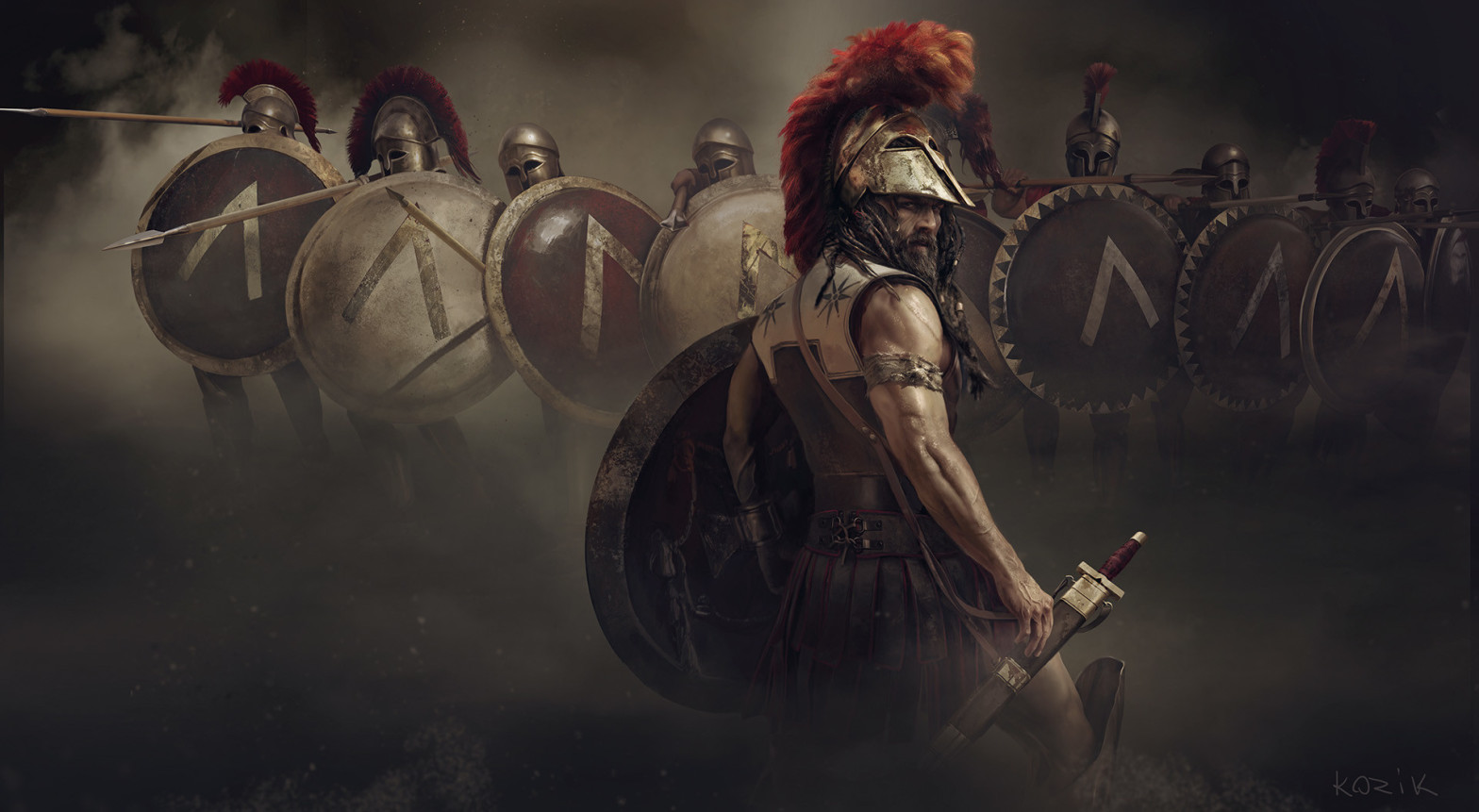
Your Weapon Is Only Tool to Survive: The Tactics of a Gunfight After SHTF-‘If You Know The Enemy And Know Yourself, You Need Not Fear The Result Of A Hundred Battles.’Sun TZU,Chinese Implementing This Now Against U.S.

Looking around I couldn’t find an important piece of information – how one should fight in a SHTF situation. I think this is an important topic to cover because it has several special circumstances that need to be considered.

  1. Ammo will need to be conserved – I don’t care how many rounds you have saved up, it won’t be enough and the long-term of a complete collapse of society (potentially 40+ years) means that from the get go every single shot will be precious.
  2. Due to the fact that it is almost a certainty that combatants will be intensely familiar with the area and possibly have been residing for a long period of time it rather changes the mechanics of combat.
  3. Due to limited manpower and the fact that any attrition will be felt heavily, patrols, night combat, and outposts will be nigh impossible to field with regularity.
  4. Expanding on the above, most medication has a limited shelf life and even minor wounds will start to become quite threatening (increased risk of disease and infection) – Medication will run out fast.

With that in mind, let us analyse why tactical considerations are always important and what style of fighting we will have to adopt. Due to the fact that ammo will always be a luxury, modern tactics which rely on the idea of expending more ammo in a gunfight at the foe over men or positioning is obviously not possible.

Now – every weapon you should use should focus on stopping power, the smallest cartridge in your arsenal should be 6.5mm (handguns excluded).

With that out-of-the-way – let us look at the overall thought process and things to identify before you engage in any situation.

  1. Manpower: Who has more bodies at their disposal – do they look weak and ill-trained or are their movements/positions well thought out and the men (and women!) well fed? Are they all moving armed or do they have the luxury of people dedicated to guard duties?
  2. Armament: What weapons are they using – are they rusted and in ill repair? Can you identify if they are carrying enough ammo for everyone to fight adequately?
  3. Maneuver: Who is in the better position? – do they have a path of pursuit and escape, do they have a height advantage? Importantly are they defending something valuable (like a base or stash)? If so you may have the luxury of being able to attack at will, the same thing goes if you are on the defensive.

From these 3 guidelines a threat level can be deduced, obviously there will be some situation where one advantage is so great that it will offset disadvantages – this is a rough guideline. If they check off none, then you are probably in a position to utilize a diplomatic approach and join groups. If they check off one of 3 then you should approach with caution, maybe attempt to surround them at night and make your intentions clear – again diplomacy may be the best decision here. If they check two of three than combat should be avoided until you are in a position to use your advantage to overwhelm them (attacking at night, in an ambush, etc). Do not attempt diplomacy at this threat level as you will not be in a position to make a fair deal and all emphasis should be placed on evening the odds or avoiding the threat. Finally if they check off all three do not engage at all, the goal is survival not heroic death and if worst comes to worst retreating completely or surrendering goods is preferable to a bullet in the brain. They still are people and unless you are absolutely sure that they are completely hostile they may be willing to work with you.

Now with the overall threat assessment done we may now talk about the five stages of combat (Recce, Skirmish, Combat, Push/Withdraw, Decisive Blow/Total Withdrawal).

RECCE

“IF YOU KNOW THE ENEMY AND KNOW YOURSELF, YOU NEED NOT FEAR THE RESULT OF A HUNDRED BATTLES.” – SUN TZU

Recce is often the most overlooked stage of combat but it is BY FAR the most important. Recce is the mode of thought that you should be on at all times, dispatching a scout if possible and identifying incoming threats. The more focus you place on recce the more forewarning you will have as to inbound threats, and more time to prepare/evacuate. Obviously you will be unable to have a complete recon net due to limited supplies but any extra hands should be trained for recce and dispatched when possible.

This is where you will identify your enemies capabilities on your threat checklist and decide whether to choose engagement/diplomacy/retreat. Just to outline how vital this is, 90% of a good tactician’s skill is how the deploy and utilize information from recce, with the other 10% being a good leader with good interpersonal skills and the ability to keep cool under pressure.

SKIRMISH

This is where you action your initial decision on engaging the enemy, it is the period where hostilities have begun but you are not locked into a fight. This will be the period where you harry the enemy with traps and marksman to attempt to pick off men before you attack or they reach your designated point of defense (usually your fortifications).

Some skirmishes may only last a minute or two and some may be the entire fight, note that your main focus should be leaders and sensitive targets (heavily armed fighters and if possible, medics). The goal of this will be to break your enemies organisation and morale when combat begins – that being said…

COMBAT

This will be the time when individual training counts. Communication will be close to impossible in this brief period and this is where the most casualties will be sustained – though despite this being the most calamitous point of a fight it will be the least important for you as the person in command. Your main role will be encouraging your men and stopping any obvious screw-ups.

What you should be watching closely is the movement of combat, are you making good progress towards your goal or are you sustaining casualties – are there hostile elements that you were unaware of?

Before I make my next point the thing to keep in mind is that in a ‘battle’ there may be multiple combats, intensive fighting between periods of skirmish, pushing, and retreat.

PUSH/WITHDRAW

This is as much a phase of combat as it is its own separate action, and the commands will have to be executed well and especially in the case of a withdrawal you need pre-planned points to ensure cohesiveness.

Really the most that can be said of pushing is that your enemy has begun to break or have thinned enough that they can no longer maintain the area their position demands, as I would expect almost all combatants to be ill-trained this will almost certainly result in a decisive victory as the enemy breaks completely.

However, keeping your men together in the case of a withdrawal is another issue. The things to watch out for: can you retreat to your designated point safely (if you have one – keep in mind most defense should take a multi layered approach), do you have enough manpower left to pursue another attack, is the enemy willing to pursue or are they holding position. If it is the latter the combat may switch to a skirmishing stance again.

TOTAL WITHDRAWAL/ DECISIVE BLOW

Decisive blow: Your enemy has completely shattered, this is the period encompassing cleaning up resistance before taking stock of supplies and beginning the process of recce again – re-assessing.

Total Withdrawal: This comes about one of two ways – Your force has broken and are fleeing in a blind panic, or it is (hopefully) an organised retreat to put some distance between yourselves and the enemy combatants and re-asses. You will again need to survey the situation and determine the next point of action for your group.

Something to note – Overall your group should always be prepared for a total retreat, even an easy fight could be a ruse and you always need to be prepared to move and maintain as many supplies as possible.

Design a site like this with WordPress.com
Get started