Your Neighbors Could Be Your Worst Nightmare in an Emergency:What is important to know is that when the needs of the neighbors are not able to be met, those needs will be attempted to be filled at your expense if you are the one with the supplies

This piece summarizes one of the episodes of “The Twilight Zone” entitled “The Shelter” that bears mention for all who have neighbors, especially those they are “unsure” of.  In this (two minutes to midnight) preparatory lifestyle, it’s always important to know about those who live around you.

Today’s neighbors can morph into tomorrow’s marauders in the blink of an eye.

The fragile nature of our society is best described as the thinnest of veneers of civilization overlaying an underlying barbarism that can manifest itself at any given moment.

“The Shelter” is an excellent case-study of such a precept that I recommend to everyone to watch at least once.  This is of the original series, and the episode was written in 1961 by Rod Serling.

The story commences in the home of a neighborhood doctor where he and his neighbors are celebrating his birthday.  Everyone is festive, and the mood is one of good spirits, laughter, and indulgence in food and drink.  After a birthday toast, several birthday guests comment (abrasively) on the noise the doctor has had over the months from the construction of a bomb shelter in his basement.  The doctor kind of ignores it, and the party continues.

Guns have been referred to as “the great equalizer,” and there’s no weapon which can come close to them in that regard.

A lot of the popularity of firearms is due to the fact that anyone can use them effectively, not only the strong and agile. The young, the old, men, women and child can take up firearms in defense of home and family and do so effectively.

But what do you do if you can’t use a gun – or if you don’t have a gun — to protect yourself?

Soon the doctor’s son comes into the dining room (only adults are present) and announces that the TV has gone dead, and just prior it announced to go to the Conelrad station on the radio.  The following report came forth on the radio as everyone listened:

“…Four minutes ago the President of the United States made the following announcement.  I quote: at 11:04 pm Eastern Standard Time both our Distant Early Warning Line and Ballistics Early Warning Line reported radar evidence of unidentified flying objects flying due southeast.  As of this moment we have been unable to determine the nature of these objects, but for the time being and in the interests of national safety we are declaring a state of yellow alert.  The Civil Defense Authorities request that if you have a shelter already prepared, go there at once.  If you do not have a shelter, use your time to move supplies of food, water, medicine, and other supplies to a central place.  Keep all windows and doors closed.  We repeat: if you’re in your home, go to your prepared shelters or to your basement.”

Needless to say, all of the guests frantically depart.  The doctor and his family scramble around, filling up jars with extra water and moving some extra stuff down into the bomb shelter.  In the shelter were beds for the family and shelves with canned goods and medicines, as well as other gear and some chairs and a table.  The doctor returns upstairs, and then one of the neighbors, Jerry, begins rapping on the window.  The doctor opens the door, and Jerry worms his way in, slyly informing the doctor that he and his family are unprepared for what’s coming.

The neighbor wants to shelter himself, his wife, and two children in a shelter designed for three people.  The doctor leaves him and enters the shelter, locking the door and sealing it off.  Presently, more neighbors arrive.  One of them pounds the door, insisting that the doctor allow him to enter.  Soon even more neighbors arrive, and one of them is very belligerent.  Men and women are irate, and they’re demanding the doctor let them in.  It escalates very shortly, as the aggressive man belligerently makes the following demand with several other men beside him to the doctor after yelling his name:

 “You’ve got a bunch of your neighbors outside who want to stay alive.  Now you can open that door and talk to us, and figure out with us how many can come in there…or you can just keep on doing what you’re doing and we’ll [hitting the door] bust our way in there.”

The doctor refuses, and the men outside move away from the door, and then begin to argue among themselves.  There is already infighting about who (of the outsiders) will enter the shelter, as the men move out of the house.

“Bill, who are those people?” the mother asks.

“Those people…those people are our neighbors…our friends…the people we’ve lived with and alongside for twenty years.  C’mon, Paulie.  We better get up some of this furniture and this bunk so we’ll have some protection in case that door goes through,” the doctor said.

The half-dozen men return to the house, smashing up furniture in the dining room and trashing the house.  They enter the basement with a heavy pipe, and as their wives cheer them on, they begin battering the shelter door.  Presently they break through.  Just as they are stepping into the shelter, the radio in the shelter with the family announces that the previously-spotted objects were satellites, and the alert was lifted.

As the dust settles, the neighbors try to blow it off half-heartedly, but the doctor doesn’t really want any of it.  The neighbors had managed to smash in the door and force their way in.  The doctor summarized it quite eloquently with his description of what had happened:

“The kind of people we are just underneath the skin.  I mean all of us…a lot of naked, wild animals who put such a price on staying alive that they’ll claw their neighbors to death just for the privilege.”

The episode is excellent, and in under 25-minutes presents exactly what human nature boils down to…in a non-profane, “Hallmark” version with no blood or gore to offend the tender sensibilities.  The doctor made the following critical mistakes.

 All of his neighbors knew he had built a bomb shelter in his basement

  1. The shelter (although made to resist radiation) was not built sturdily enough to be able to resist the marauders
  2. The doctor did not have one weapon to protect himself and his family and drive off the angry mob
  3. He allowed “Jerry” to come inside the house, instead of locking and barring every part of it to keep the neighbors away

The old adage, “Know thy neighbor” holds true…and not just from a superficially-friendly, good time perspective.

What is important to know is that when the needs of the neighbors are not able to be met, those needs will be attempted to be filled at your expense if you are the one with the supplies and safe haven.  “The Shelter” is an oldie but a goodie, and a perfect tool to keep in mind that all of us can pass beyond the limits of the “better angels of our nature,” and the situation turn from “Rebecca of Sunnybrook Farm,” to “The Road Warrior” in the blink of an eye.  Happy watching, and hope you take something from it.

You might be living in one of America’s deathzones and not have a clue about it
What if that were you? What would YOU do?

In the next few minutes, I’m going to show you the U.S. Nuclear Target map, where you’ll find out if you’re living in one of America’s Deathzones.

This image has an empty alt attribute; its file name is untitled-1.png

7 Unexpected Consequences of an Economic Crisis: That Will Throw The Nation Into Total Chaos- With The Collapses Of The College And University Systems And Student Aid-The Bands Of People,E Hopeless And Helpless Will Turn Dangerous Fast!

Other than the obvious consequences, what might we expect from a partial economic collapse? A total collapse of the economy would throw the nation into utter chaos. But what if we endure an economic depression, or a severe and long-lasting downturn? I think that some of the effects are not so obvious.

1. The college and university system will collapse

As I explained in this previous post, the system of higher education is a house of cards. The cost of getting a college degree has risen sharply and steadily, while real income has remained relatively flat. The price rise is due to the easy availability of grants and loans for education. But with so many persons getting a college degree, its value in the marketplace has plummeted. Many college grads are out of work, or they are working in a job that does not require a degree. Eventually, this practice of paying more and more, for something that is worth less and less, will collapse the system. Colleges and universities will not have enough paying students, and professors will not agree to a drastic pay cut. Overhead expenses are far too high.

All that is needed is an economic collapse, or partial collapse, to topple this house of cards. Many universities and colleges will be forced by economics to shut down.

Guns have been referred to as “the great equalizer,” and there’s no weapon which can come close to them in that regard.

A lot of the popularity of firearms is due to the fact that anyone can use them effectively, not only the strong and agile. The young, the old, men, women and child can take up firearms in defense of home and family and do so effectively.

But what do you do if you can’t use a gun – or if you don’t have a gun — to protect yourself?

2. Agricultural yields will plummet

The current U.S. agricultural system is based on the expectation of high yields. But high yields are obtained by high inputs — all the things that go into growing the crop, including lots of fertilizer, perhaps irrigation, herbicides, pesticides, labor, machinery. Then those high yields are sold and the money is then used to fund the inputs for the next crop cycle.

An economic collapse will mean that farmers will not be able to afford all the inputs needed for high yields. And when yields fall, the amount of money from that crop will be less. Then the next crop cycle will have even less money for inputs, resulting in even lower yields. And the process will continue — lower yields, less money, lower inputs — until many farmers are out of business and a food crisis results.

3. Violent crime will increase

When people lack money and food, they become desperate. And desperate people do desperate things. Theft and robbery will skyrocket, and people will be afraid in their homes, and afraid to go out in the community. Even a quick trip to the market will become risky. Sales of most goods will plummet, causing the economic crisis to worsen. Protests will turn violent. Home invasion robberies will become much more common. Many people will be killed or injured as a result of this increase in violent crimes.

4. Law enforcement will be overwhelmed

The law enforcement system in the U.S. is commercial. Officers are paid. We don’t keep a large excess of officers on the payroll, just in case crime sharply increases. So it is relatively easy for the system to be overwhelmed. And that means a call to 911 might not bring the police to your door in time, if at all. Those who have firearms for home defense will be much better off than those who rely solely on the police. But many households have no firearms. And that means that robberies will increase, and so will the economic damage and the number of injuries and deaths.

5. The healthcare system will be overwhelmed

The healthcare system is also commercial, and lacks a safety margin in the form of excess doctors and nurses. Hospitals operate at close to capacity. A sudden increase in persons who are sick or injured will overwhelm the system.

The aforementioned increase in violent crime will undoubtedly increase injuries. But it is less obvious that a disruption to the food production and distribution system will increase illnesses. Plenty of good healthy food is the first line of defense against illness. Malnourished persons are much more likely to get sick. So an extended disruption to the food supply will cause an increase in illnesses.

6. Travel anywhere will become dangerous

As a result of all the above described problems, travel will be dangerous. Want to make a quick trip to the supermarket? You risk having your house robbed, if it is left unoccupied. And you risk being attacked on your way back from the market. Robbers might wait outside the market and follow anyone who looks like they purchased a lot of food.

There will be protests in many places, and violence will often break out. People who are hungry and afraid do not make the best decisions. Then there is the cultural aspect of the situation. We live in a culture that tells us to expect the government to take care of us, and to protest whenever anything doesn’t go our way. Ironically, self-sufficiency is abhorrent to our narcissistic culture.

I expect that the roadways will be dangerous, as violent criminals will see travelers as easier targets than homes.

7. The death rate will jump higher

People will be malnourished because of the disruption in the food supply, so they will get sick more easily. Violent crimes and violent protests will result in many more injuries than usual. And yet healthcare will be much more difficult to access. There will be a shortage of hospital beds. It will be difficult to get a doctor’s appointment. There may be a shortage of prescription and OTC medications.

All of these factors will make life a riskier endeavor.

Now if you are a seasoned prepper, who has long considered the dangers inherent in an economic collapse, you may have anticipated some of the above consequences. But I hope I’ve added to your understanding of the possible problems that we may soon face.

You might be living in one of America’s deathzones and not have a clue about it
What if that were you? What would YOU do?

In the next few minutes, I’m going to show you the U.S. Nuclear Target map, where you’ll find out if you’re living in one of America’s Deathzones.

This image has an empty alt attribute; its file name is untitled-1.png

Isolation During Good Times and SHTF: From Living in the Country To Staying Hidden During SHTF

So many people that I have met in the prepper world mention their dream of having a place away from everything. While this is a nice thought and something that my husband and I have somewhat achieved, when I hear this from others I have to ask if they know what they are saying.

While I understand how home ownership and some personal freedom is a worthy goal, the one thing that people don’t seem to be thinking about is the reality of the isolation that you will experience when moving to a rural area.

During SHTF regardless of city or rural life, if you are going to survive and keep what you have, you are going to have to give up a lot of interaction with others outside of your core group.

You need to ask yourself if you can deal with the isolation now. I speak from personal experience when it comes to dealing with this type of thing. I sometimes do not leave my place for 5-7 days at a time. For me that is okay. I have a ton of things to do. Going places takes away from my work and is expensive. I like this type of life, but it is not for everyone. It is better to think about what is right for you now than to realize your limitations later.

I remember my father telling me that during his time on the Olympic Peninsula a lot of women refused to live there after so long. Imagine living in a place where you get 10 feet of rain a year; the men are all off doing logging jobs, your choices for employment are nonexistent or very limited, and the nearest town has nothing except the basics. Oh and there is no internet, no e-books or other devices, and books are expensive or at the library that is 20 miles away on icy roads of poor quality. Times were different back then, but I am talking about the 70s,80s and early 90s which was not that long ago.

Isolation was part of the reason my mother and father grew apart

My parents bought land on the Olympic Peninsula of Washington State before I was born.  When my Dad asked if she was sure she was very enthusiastic. 15 acres on the Olympic Peninsula was exciting and it was beautiful. I remember it. My Dad built a house. He had a good job working in the sawmills.

It didn’t take long before my mother insisted on spending more and more time in Hamilton, Washington and would not stay on the peninsula. She took my brother with her. Eventually, we all moved to Hamilton but the damage was done. They stayed together for a while but she made sure she lost that land for us by her various nefarious and terrible actions later on.

To be blunt she could not deal with not being able to talk to a lot of people and about a lot of people. I guess I am doing that too but I just want you to realize that isolation can cause a lot of problems if one person decides they are not on board with it and that damage can affect a lot of people. This bit of my past is used as an example so that you strongly consider if living in the country or very isolated during good times is right for you.

Realize now that even your closest friends may not visit at all or if they do it may be just a few times a year.

When I was in my mid-twenties, I had the delusion that having a bigger chunk of property where you could let loose a little would mean having some friends over once in a while. Nope.

No one wants to drive out very far to visit nowadays. There is social media and people closer in proximity to them. Convenience and being pressed for time is enough to have a major impact on any friendship or even occasional social events.

You need to plan out your household better when stores are miles and miles away.

If you don’t plan, you will be on the road all the time. Online shopping can help with this, but you still have to think about how impractical it is to drive 20 miles to the store for one or two things that you might not need once you think long and hard about it. I only live 5 miles from the grocery store, but we still avoid making trips like this. It takes too much time on top of the expense of gas and wears and tear on a vehicle.

Choosing your property is important. While my place has been in the family awhile, there are a lot of people reading this that are considering where to buy and live for the long term.

There are deals out there for people that are willing or able to live more remotely. Western North Carolina is getting a reputation for being expensive to rent or buy, but it is a little more complicated than assuming the whole area is like that. The closer you live to towns, especially popular towns like Asheville, the more you will pay. If you are willing to live 20 miles or more away, there are a few deals.

Questions to ask when looking for land or house remotely

  • Can you make a living? Is it close enough to commute to a job in a reasonable amount of time?
  • What type of internet is available?  How important this varies. Telecommuting is possible for a lot of jobs today and since there is satellite internet, more areas have at least some access than ever before. I advise looking into what is available to you beforehand so you can understand the cost of living completely. If you have to pay $100 a month for basic internet instead of the $60 you are used to spending. That is an extra $480 per year out of your budget. You may be able to make up for this in another area. For example, you may spend less on the heat in the winter in one area compared to another.  Having a reliable internet can help with the sense of isolation.
  • What are the property taxes? Is the area growing and attracting more money?  I live in an area where the prices of homes have increased dramatically over the years. While property taxes in my county are low compared to a lot of the country, they have gone up a lot over the years.
  • Where is the nearest store to buy groceries and other household essentials? Are the prices of basics a lot more expensive than where you live now?
  • How close are your nearest neighbors? What does their place look like? Close neighbors may be seen as good or bad. Even if you have a big chunk of land you are considering, you may think twice about a place where there is a house on the border with a mountain of junk. At least make sure they haven’t dumped a bunch of garbage on your place. If they have, you may be able to argue the price down a bit.
  • Where are the nearest schools? Are you going to homeschool?  I was homeschooled and it definitely made it harder to socialize. I didn’t mind it as much as some kids but times are different and kids seem to be busy with a lot of different activities.

If you cannot stand minor isolation now, what are you going to do in a major event or a long term SHTF situation?

Going out during civil unrest or any major SHTF even is something that should be avoided unless you need supplies or medical issues that you cannot deal with at home.

Some of you may ask well what about trading? The truth is that ideally, you would be in a position during a major event where you would not need trade during the first stages. Of course, there is a time when supplies will run out or get low no matter how prepared you are. The key is to be prepared enough to avoid trading and interaction until some time has passed.

Trading or exposing what you have is dangerous, and if you are on your own, it is even worse because you have no one to back you up or survey a meeting point. I have gone to meet others during good times for legal sales of goods, and you can bet that I have someone with me and that I am armed in some way. Better to be safe than sorry.

Going out when not needed can be dangerous or fatal during real SHTF

Going out to see how things are during an emergency or civil unrest can lead to you getting caught up in it. Better to stay at home and deal with the isolation than become collateral damage. If you have others that are depending on you as a leader or provide, you need to consider this when making any decision that could put you or them at risk.

If something happened to you because you left when you shouldn’t have or didn’t need to, what would they have to deal with beyond mourning for you? Your decision could mean the difference between their survival or death. Little decisions can have major consequences during any event.

SHTF can mean that you are too busy to even think about interacting with others except when absolutely necessary. Severe situations like war often mean that at least some household members are always working to meet basic needs. Those that are unable may be more isolated.

How work is split up during an emergency or SHTF can mean some are simply more isolated than others. In some cases, this can mean women are more isolated if they are taking care of the household. I have been reading some books by Selco and he indicates that as the war in the Balkans progressed, traditional male and female roles were more common than before.

Try to create a home environment that doesn’t make you want to be away to stay sane.

For more than a decade Matt and I have lived on the side of the mountain and put whatever we could into our place. We have strived to make it a place that is nice to live and play in a while making it pay off too. We have achieved a lot of goals but not all. There are always other things we would like to do. Traveling and going places is exciting for many but there are consequences too.

If I took a trip with Matt and spent $1,000, we might have a week of fun and memories if we are lucky and keep it simple. That same money spent on a greenhouse that helped heat our house and provides food is something that will give back to us for many years to come and make our place more enjoyable. You have to ask yourself what is most important to you and those in your family and offers the best overall value. Sure we have 11 acres, animals, and a house we built ourselves that is comfortable and made well, but we also went on one vacation in 10 years and then one-weekend getaway. We don’t go to restaurants or bars. If we did those things we would have a much better social life but that is not going to help us as much as putting that time and money toward our goals.

You can socialize without spending a lot, but I find that a lot of people want to be seen out and about and plan events that involve spending a day’s pay for an evening of fun. I think this is one of the reasons so many people talk online. Think about what you could do with an extra $50-$100 per week dedicated to improving your long-term life, not your social life.

Experiment with isolation now if you can. It is best to know your weaknesses and work on them during good times, so you are as ready as possible for a true SHTF event.

When was the last time you just went to work and back for a few days? When is the last time you stayed at home and did not go out for an entire weekend? Those with kids may find staying at home even harder but guess what? Your kids need to know how to deal with social isolation when needed too. If they don’t know now, then they are going to be even more upset and hard to manage during a crisis. This means you are going to need to have strategies to keep them positive and entertained, possibly without cable tv and internet.

Experimenting with social isolation also allows you to plan ways during good times to make hard ones more manageable. Maybe you realize that you would do a lot better if you had a solar charger and battery bank to keep your e-reader going? Perhaps you realize that you have no entertainment options for some members of your family? Take notes and make improvements now!

So what do you do if you go up the wall without social interaction or the ability to leave your home for a few?

There is no one answer that is good for everyone when it comes to realizing you are not cut out for isolated living or if lack of social interaction has a very negative impact on your mental health. It may be helpful to ask yourself if you just get bored easily or if you need a lot of support from others. Is there something at home that is causing you to want to be away more?

Some people try communal living on remote properties thinking that it will help. For a select few this may be okay but I have to say that not many communal type living arrangments and property shares work out in the long term. You need to know people and get along with them very well. Differences and having a very small social circle can be just as bad or even worse for some people in the long term.

In a major SHTF situation, the fear of suffering or dying is probably going to make it a little easier for you to not get excited about social interaction. True danger is quite the motivator to change your personality and desires.

Solutions For Making Isolation More Bearable

Being isolated doesn’t mean sitting around and staring at the wall or your family. There are a lot of things you can do to make it easier on everyone. Of course, some of these are best planned ahead of time as part of your preps.

Hobbies

If you don’t have a hobby now then you may want to think of something you can do to keep busy when not working. If you are living far out and homesteading then your hobbies may go hand in hand with your work. The lines can be very blurred.

During a long term SHTF event, it may be a bit different at times. Some hobbies can definitely result in useful items for your family or for trade when it gets to the point where you are running low on supplies. Here are a few useful hobbies I can think of.

  • Knitting, crocheting, and needlework
  • Sewing and quilting
  • Woodworking
  • Soapmaking
  • Weaving
  • Carving
  • Leatherwork

Hobbies That Improve Morale

While staying busy is very useful for morale for many people, especially those that are isolated the most, there are some hobbies that others may not realize are very useful for keeping as positive a mindset as possible.

Music and playing musical instruments

When I was little my uncle and his biker friends would jam on the guitar. That sure was nice anytime and it was even better on those dark, dreary, rainy, cold nights in the tiny North Cascades town of Hamilton, Washington. I lived in a town of 300 people for most of my childhood years. No gas station even. Just a post office/liquor store in one building and a general store that was open when it wasn’t too damaged by recent floods.

Today we have the option of using music players that don’t take a lot of power to use. Back then a portable CD player or even a cassette player with headphones was expensive and took a lot of batteries to use. Rechargeable was simply not an option either.

Story Telling

I grew up without cable television or a phone. Storytelling was common in our household. My Dad would read or tell me stories every night before I went to bed even if he was tired from working at the sawmill all day or getting ready to go into work. He tried not to work any nights since he had to raise me too. The role of storytelling in the family can be an excellent role for older members of your group that cannot do as much physical labor. During hard times the older members of a family can become depressed and even feel like a burden so any activity that helps and they can do is good for them too!

Simple Games

Board games are popular but there are plenty of other games that require fewer inputs. Here are a few suggestions for items to put back in a game box. Of course, you may want to add to this or not use some based on the ages of those in your household.

  • Several decks of playing cards
  • Other card games like Go-Fish
  • Paper pads and pens for games like Charades
  • Common games like Chess, Checkers, Monopoly, etc.

Remember that the concept of isolation is a bit different now

I am going to be 36 in the spring and it is amazing to me how much the world has changed since living in an isolated town in Washington in the 80s and 90s. A simple e-reader would have changed my world back then. There are so many inexpensive options for instant entertainment.

Even if the power goes out for a while, I have a ton of books on my Kindle. I also have the ability to charge it during a power outage. Solar panels were very expensive back in the day but now they are very affordable. The internet has sure changed everything.

Of course, electronic means of communication and information via the internet is not guaranteed or even likely to be around in a major SHTF situation.  It is hard to imagine growing up like the kids today with all the entertainment options at the tip of their fingers.  I guess my point is that what most of us consider being cut off or isolated is not the same as what those words brought to mind 25 years ago.

Have you ever spent any time isolated? Do you live a long way from any town with movie theaters, live music, etc.? Have you ever been forced to be isolated with people that you didn’t really know or care for that much? Please share with us in the comments so we can all learn!

11 Places to Avoid Going When SHTF- Planning a Bug Out Can Seem Overwhelming. but the More You Plan and Prepare in Advance, the More Likely You Will Remember Which Places to Avoid Going When SHTF

When it comes to being prepared for a SHTF event, preppers are focused on threats from natural disasters to nuclear wars, EMPs, and devastating cosmic events.  The situations that people can focus on and become obsessed with preparing for and unpredictable and vary widely. There’s no way that one person or family could be completely prepared for every single type of event. So, most people choose one or several related events they believe are imminent and prepare as best they can for those.

But the less talked about threat that will be overwhelming no matter what the situation is that arises, is population density. For example, according to this map of population density by county shows that roughly two-thirds of the U.S population is located in the Eastern half of the United States. In fact, according to recent reports by the U.S. Census Bureau (2010 data), approximately half the population resided in just 146 counties out of 3000 counties in the United States.

That’s right. The biggest threat to your safety and the safety of your family is in fact, other people. They aren’t “bad” people out to get you. Some of them would likely give the shirt off the back to help others in normal circumstances. But in a SHTF situation, people just like you who are doing what they need to do to provide for their families can be a threat. Scared, and willing to do anything to get away from immediate danger, large numbers of these people can be the difference between life and death for your family.

So, when SHTF, how do you mitigate population density to increase your ability to keep yourself and your family safe? The easiest way is to plan to avoid other people as much as possible. The problem that most people run into during an emergency or SHTF situation is they are unprepared, and they panic. When you sense danger, the first instinct for most people is to flee. Sure, some people will naturally react with fight instead of flight, but the majority of people will flee first and fight only when cornered.

The best way to be prepared to avoid the crowds of desperate people is to know which places to avoid going when SHTF. We’ve listed some examples below:

1. Downtown

It goes without saying that downtown areas of any city should be avoided. This is especially true in mid to large cities where lack of regular sanitation services will create ideal conditions for diseases. The risk of rioting, looting, and violent attacks is also greater in downtown areas. City dwellers are statistically less prepared for a SHTF event as many families live paycheck to paycheck with very little stockpiled supplies.

In addition, because population density is highest in these areas, stores and other sources for supplies will be quickly cleaned out. Many city residents depend on public transportation on a daily basis and are less likely to have access to a vehicle to flee the city. Mass numbers of people in these areas will be desperately seeking food, water, and medical supplies, as well as transportation out of the city.

2. Main Roads, Intersections, and Freeways

If you are planning to bug out to an area outside of the city, or if you are caught away from home, it may seem like the shortest route is the best course of action. But, keep in mind that main roads and busy intersections will quickly become overwhelmed with people trying to flee just like you are.

Most people only know one or two ways to get out of the city and these are usually main roads. Those who are looking to steal supplies will see main roads and intersections as prime locations to ambush unwary travelers. Get a map of your area now and plan several routes out of the city and from work to home that use side roads rather than highways and state routes.

3. Bottleneck Points

A bottleneck can be any area that a majority of people must travel in order to get out of a cul de sac, neighborhood, city, county, or state. In most cases, this will be things such as bridges, overpasses, underpasses, freeway ramps, etc. If several hundred or thousands of people are fleeing the same area, and everyone must cross the same bridge to get out of town, that will quickly become a bottleneck point.

The same is true for any areas where there is only one road going in or out. Avoid these areas at all costs and look for alternative ways to get through or cross, even if it means taking a longer way around or traveling in a nontraditional way (motorcycle, private plane, bicycle, on foot, etc.).

4. Hospitals

It may seem weird to see hospitals on a list of places to avoid following a SHTF event because one would think this would be a place to find help. The reason to avoid hospitals if at all possible is because most people, especially those that are injured, will flock to them. Even people who aren’t injured may head for the hospitals to get help for family members who have been injured.

Emotions in this area will be high and the risk of violence is greater as people lose control. In addition, patients who are ill and/or patients dying from lack of resources will increase the risk of rampant infection and disease. The hospital and surrounding areas will be a petri dish environment for viruses and bacteria. With medical resources limited, you’ll want to avoid getting sick to increase your odds of long-term survival.

5. Prisons and Surrounding Areas

This one should be a no brainer. If there is a prison in your area or along the route to your bug out location (BOL), you’ll want to avoid the area as much as possible.

During a SHTF event, it’s likely that guards and staff may abandon their posts to care for their families which increases the likelihood that violent prisoners can escape and be on the roads. These prisoners will come out into the chaos without any supplies, they will be desperate to survive and could be more willing to use violence to commandeer your supplies or vehicle.

6. Police Stations and Military Bases

Like with hospitals, it may seem counterintuitive to avoid police stations and military bases following a SHTF event. Police and military are supposed to serve and protect citizens, right? But although it may seem like going to these locations would be a safer alternative, in most cases it will be a waste of precious time and may in fact get you killed or locked up instead.

Police stations and military bases will be among the most secure buildings. They will be heavily guarded, and they will not be opening their doors to the mass numbers of people who show up. Crowds outside these areas will be frustrated and angry at not being granted protection. The last thing you want is to step into the middle of that crowd with your BOB of supplies, food, and water.

7. Shelters or FEMA Camps

Although shelters are designed to help those people who find themselves without a place to sleep or food to eat, most shelters are understaffed and operating at or above capacity even in normal times. Homeless shelters and food banks will be quickly overrun by mass numbers of people. Some may be forced to close the doors to newcomers within days of a SHTF event.

These shelters and any publicized FEMA camps that spring up will have very poor conditions. Supplies will be rationed, tempers will be high, and violence will be rampant. As more people arrive, and conditions worsen, the buildings and surrounding areas will quickly become breeding grounds for infection and disease.

8. Grocery Stores and Shopping Plazas

For people who are not prepared, their first instinct will be to find food, water, and supplies. Humans are creatures of habit and thus many will flock to local grocery stores and shopping plazas and begin looting for needed supplies.

These areas will be picked clean within less than 24 hours of a SHTF event. Those that are left there will be the most desperate and scared for their lives. These crowds are unpredictable and often violent.

9. Gas Stations, Auto Parts, and Convenience Stores

The reason to avoid gas stations, auto parts, and convenience stores is similar to that of other stores and shopping areas. Desperate people are going to flock to the first places they think of to find supplies to get out of the area. Those trying to get of the city will want to try to gas up and/or get.

For all but those people who were quick to get on the road, getting gas will be nearly impossible. Lines at these places will be long, tempers will be high, and violence will be much more likely, especially when pumps run dry and shelves are bare.

10. Hardware and Sporting Goods Stores

One thing that people will be searching for when SHTF is guns, ammo, and other items to use for protection. Since sporting goods and hardware stores carry a lot of these items, these stores will be hot spots for looting. If you don’t already have your weapons ready when SHTF, you’re better off to look around your home for items you can use, rather than try for a quick trip to a hardware or sporting goods store.

11. Banks, Check-Cashing, & Pawn Shops

One thing just about everyone who isn’t prepared in advance will be looking to get first is accessing to cash. For this reason, banks, check cashing or loan offices, and pawn shops should be avoided following a SHTF event. This is where large numbers of people will flock toward first.

Many people in these areas will become trapped, unable to access their money, either because computers are down or because cash reserves were already depleted. When desperate people can’t get access to cash that they believe will help them get needed supplies, things will get ugly.

12. Large Shopping Malls and Public Squares

When things get chaotic just before a SHTF event, the last place you will want to be is in a public square or large shopping mall. These places can quickly become a gathering place for desperate, angry people. Rioting, looting, and violence will be high in these areas so it’s best to avoid them if possible.

13. Large Social Gatherings and Public Events

If you even suspect that things around you are getting chaotic. If you sense civil or economic unrest or have recognized other precursors to a SHTF event, you will want to avoid large social gatherings and public events. These events draw large crowds of people on the same date and time. Events or gathering that are tradition or annual events that can be predicted or are widely publicized are more dangerous. These are prime target events for terrorists.

What to do Instead:

Now that you know what places to avoid going when SHTF, here are some things you can do to make sure you can avoid these places and still have a good chance of surviving:

Starting today, make it a habit to keep your gas tank at least 3/4 full at all times. Take steps to properly store additional gasoline in approved containers so that you can fuel up at home and skip the last-minute trip to the gas station on your way out of town.

Follow a regular maintenance schedule for your vehicle to keep it in top running condition at all times. Proactively make vehicle repairs so that your risk of a breakdown is less when SHTF. Stockpile spare parts such as belts, spark plugs, wiper blades, washer fluid, transmission fluid, antifreeze, brake fluid, and engine oil so you can replenish as needed without that trip to the auto parts store.

Create safe storage places where you can begin to stockpile emergency cash so that you have it on hand when SHTF and do not need to make any last-minute runs to a bank, ATM, or pawnshop for cash.

Conduct a weapons inventory of any guns, ammo, knives, and personal self-defense weapons (mace, stun gun, etc.). Be sure to consider any other potential items (ball bats, shovels, chains, etc.) that could be used for weapons and protection during a SHTF event. Know what you have on hand and train yourself and family in how to use it if needed for protection.

Clearly mark danger zones in advance on a map or maps of your local area and surrounding areas. Plan several different escape routes so that you can quickly change course if needed due to unexpected danger or obstacles. Identify and plan to use alternative routes out of town including logging roads, railroad tracks, and power line easements if needed to avoid danger zones.

Locate and clearly map out any sources of fresh water that won’t be the first thought for others such as small lakes, ponds, private or public swimming pools, creeks, and rivers. Include a hand water pump and collapsible water jug in your BOB as well as a way to filter and boil water from these sources.

Stockpile lightweight food, ways to filter water, and medical suppliesso that you won’t be tempted to make a last run to grocery or other shopping areas. Create a system of hidden supply caches along your routes to your BOL so you can replenish supplies that are used, stolen, or confiscated along the way.

Planning a bug out can seem overwhelming. But the more you plan and prepare in advance, the more likely you will remember which places to avoid going when SHTF.

The More You Know, The Less You Need: Tactical Gear List & Considerations For SHTF

I am asked regularly what equipment people should have or need for tactical or hostile situations. I am not a gear-queer and tell people to make maximum use of what they have in their everyday environment, there is no need for camouflage knife, forks, and spoons. I am a great believer in the saying that “The more you know, the less you need” and I tell my students always look for equipment that is multi-use or think how something can be adapted for multiple uses.

Let me ask you a question… What makes equipment tactical? For me all that makes equipment tactical is the word “Tactical” which, is overly used these days by stores and manufactures to sell Chinese made junk. Apart from firearms and ammunition a lot of useful equipment can be found in most hardware or kitchen stores. The advantage of kit from hardware or kitchen stores is that it’s meant to be used and worked with, not just talked about, and played with as is the case with a lot of tacticool kit. For example, I always buy my flashlights from hardware stores, they are generally a lot cheaper than tacticool flashlights and take AA batteries etc. that are more widely available than fancy lithium batteries. From a tactical perspective, you don’t need powerful flashlights, they need to be powerful enough for the job, you want to see, not be seen!

Camouflage and tactical black kit may look cool when you showing it off to your buddies but, try finding the camo flashlight or zippo you dropped in the bush when you need it… As, long as kit does not shine or reflect light it will be fine. When buying, equipment think about if you drop it, which you will, would it be easy to find! In potentially hostile environments all but essential equipment needs to be packed or in your pouches or pockets, so your orange spork should not be tucked in your hat band!

The below personal tactical gear list is taken from a proposal I put together for counterinsurgency / tactical team in West Africa a few years ago, this should give you a few hints on kit etc. I have made some explanations on why I have included some of the items, and not every item will be applicable to everyone in every situation, so use this as a guide and adapt it. This is a tactical gear list for operational personnel and I am sure some reading this will say it’s not applicable for most preppers etc. OK, then don’t read it, but remember not so long ago Libya, Syria and The Donbass (Eastern Ukraine) were peaceable countries, whose populations would not have believed you if you told them civil wars would tear them apart.

From a U.S perspective look at what happened in New Orleans with hurricane Katrina in 2005 or the situation in South Chicago. Not so far afield look at what’s happening in Mexico, could this happen in the U.S., to an extent yes… The Mexican Cartels in the U.S. generally keep things amongst their own communities, they are making plenty of money and compared to Mexico they are relatively safe. But with the strengthening of security on the U.S./Mexican border, which will lead to human and drug trafficking routes being cut, things could spill over. What trafficking routes are left will be fought over and the now unemployed narcos will be seeking other sources of income.

Such situations can lead to what can be classed as “Bosnification”. Now when society breaks down, who takes charge? Sadly, in most places its usually the organized criminals; they are organized, armed and willing to take risks. After the Soviet Union collapsed Mafia groups took control in one way or another of local governments throughout the former USSR. Many of the irregular units fighting in the civil wars in the Balkans in the 1990’s were formed by what could be classed as Mafia bosses. You can see it these days in Iraq, Libya and Syria where local militias have taken control of areas and change sides on a regular basis, and in the meantime the local populations have to deal with their BS and taxes.

In Mexico, in theory, there is the Military, Federal Police, State, and Municipal Police to enforce the laws but much of the country is controlled by drug Cartels and their offshoots. I have worked in Mexico and the police there have an extremely difficult job. I have trained some very effective police tactical units in Mexico who in the long run were disbanded or became ineffective due to being targeted by criminals. State and local police generally live in the areas they work in, if not from and grown up in those areas, which makes it easy for the Cartels to identify them and their families. Even if the officers want to do their jobs properly are they going to put their families lives at risk to do so, or just take their pay check and look the other way? In many situations where regular law and order has broken down, be it in Mexico or elsewhere it has been up to the local communities to protect themselves.

Now, when considering what equipment you need, put it into four different layers and think what gear you need, rather than what you want. I have used British Army Infantry terminology to help explain this section, each layer would be added on as required.

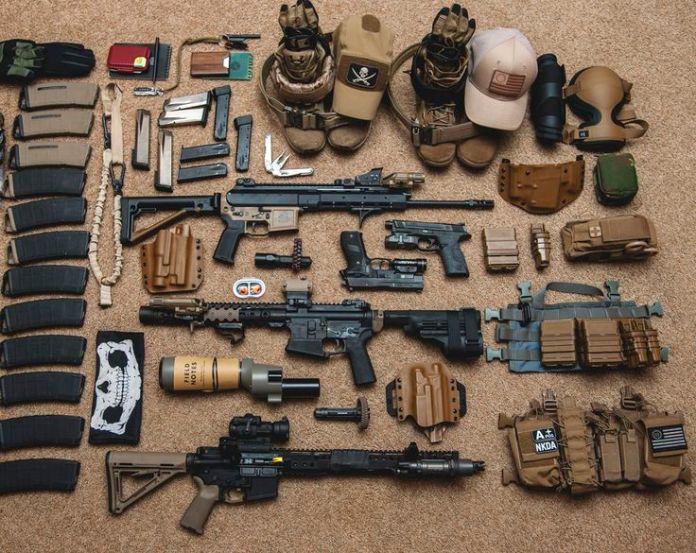
  • Personal Items: Think about what should be on your person and at hand at all the time; knife, pistol, pistol magazines, cell phone/radio, lighter, personal water filter, basic first aid kit from edc.ninja.
  • Assault Order: This would consist of the essential kit needed to conduct a short-term military type tasking in a potentially hostile environment; rifle, spare magazines, water bottles, comprehensive first aid kit, protective clothing etc.
  • Combat Order: This is the Assault Order with rations and personal equipment, that enable the you to live and fight for a period of 24 hours.
  • Marching Order: This is the Combat Order with the addition of a field equipment such as backpack, sleeping bag, poncho, cooking stove, spare socks etc. required for two week operations without resupply, except for ammunition, rations, and water.Near Sniper’s Alley, Sarajevo, Bosnia Herzegovina.
As I stated earlier this kit list was put together for a government team who had access to military weapons, I know in most places civilians will not be able to get AK’s and CS grenades, so make use of what you have. If all I had access to was a double barred shotgun I would be happy, it’s a very effective weapon if you know how to use it and have your strategies planned! If you have access to firearms buy weapons that you can get spare parts and magazines for, in common calibers. I have heard people applauding the FN 5.7 as the best pistol on the market, and I will admit it’s a very nice weapon, but trying to get the ammo at the best of times can be a pain, during a SHTF situation, it might be easier to find rocking horse shit… I would suggest you stick to 9mm, .40 or .45 etc…

Team Formation & Equipment

Team operatives need to be carefully selected not only for physical abilities but also for social skills and their ability to blend in with other people. This means the best operatives are usually average height and weight and look like normal people. The operatives need to be physically fit and should be trained in light infantry tactics, first aid, communications etc. The operatives will need a high standard of self-discipline and intelligence; they will need to be mentally flexible enough to adapt to rapidly changing situations. The operators will need to be able to work by themselves or in team with minimal equipment and support. Our suggested size for an operational team is six operatives, this size team should be able to handle most tasks and be able to be split into two three-man independent fire teams. The team should consist of a team leader, a second in command and four operatives.

Equipment

The operatives need to be able to operate with minimal equipment and be able to adapt everyday objects to meet their needs. The operatives should be as lightly equipped as possible, too much gear will only slow them down. When on operations they should only carry what is necessary, if they don’t need it, don’t carry it. Below is a list of equipment the operative should have access to for cover and overt operations, they will not need everything for every operation.

Personal Equipment

  1. Communications; Radios, cell/mobile phones. Note: Consider if the cell phone networks will be working in SHTF situations. Remember with radios, the more powerful they are the easier they are to intercept from a distance. Make maximum use of smart phone apps if they do not compromise operational security. All communications equipment needs to be secured at all times.
  2. Power; mobile power sources need to be available for charging communication devices etc. Consider solar options.
  3. A reliable wrist watch
  4. Two good quality high capacity pistols with minimum of 6 magazines: We recommend two identical full size service weapons.
  5. Concealable/duty pistol holsters; strong side and shoulder rigs.
  6. One folding stock rifle/carbine with minimum 6 magazines. We recommend AK-47 type platforms. Note: AK platform was chosen for this location due to availability, always chose weapons you can get spare parts and ammunition for.
  7. Chest rig capable of holding 6 rifle magazines and two water bottles
  8. Plenty of ammunition for operations and training.
  9. Weapon cleaning kit
  10. Waterproof flashlight and batteries
  11. Personal first aid equipment
  12. Quality fixed blade knife
  13. Quality multi-pliers
  14. Quality pruning shears/secateurs. Note: used for building hides and clearing trails of brush that can make noise etc.
  15. Quality compass, Maps of operational areas, GPS with software updates.
  16. Minimum two 1 liter water bottles, water purification tablets or personal filters.
  17. A level 3A concealable bullet proof vest. Note: protective clothing should not inhibit movement and remember the heat factor!
  18. Smoke/CS grenades. Note: In previous articles I have mentioned from a civilian perspective smoke dischargers are used for maritime distress signals and available at most boat supply stores.  Also, paintball/airsoft players use smoke in milsim games, they seem to have a wide selection available online etc.
  19. Two Carabiners & 20 meters of 9.2 mm climbing rope
  20. Scrim net/sniper veil
  21. Backpack
  22. poncho
  23. sleeping bag
  24. stove etc.

Team equipment

  1. Spotting scopes
  2. Night vision
  3. Stills and videos cameras
  4. Bolt cutters/entry tools

Dress

Operatives should dress to blend in with their environments; civilian clothes should be used for tactical operations especially when working in close proximity of civilians. A simple green or brown shirt can blend in to bush just as well as camouflage if the operative is properly trained. Our preference for civilian cloths over military fatigues is because if you are performing an operation in a suburban/urban area you have to blend in with the public and if you are wondering around the streets in military fatigues and face paint you will draw attention.

For footwear, we suggest to wear what the general population is wearing, something light that is good for running and swimming in. Tactical boots can draw attention and their aggressive tread leave obvious ground sign. If using running shoes ensure any reflective material is removed.

The only specialist clothing we would recommend would be a fire proof balaclava and gloves. The balaclava can be used for concealing your identity and hiding the shine from your face on rural operations. Good gloves amongst other things gives you extra grip on your weapon and again hides the shine from your hands on rural operations etc. Tactical clothes for direct action operations should be fire proof and of a good quality.

Cash

Cash and assets will need to be available for operational expenses and to pay sources for information or services provided. Operatives should sign for all cash and assets and get receipts or at least record all expenses.

Safe Houses

Teams and operatives will need places to work from, live and train. Locations will need to be secure and defend-able. A threat assessment needs to be compiled on all locations uses by the team; weak spots must be identified and dealt with. Escape routes need to be identified from the safe houses to other safe locations or ERV’s. All potential surveillance and sniper locations around the safe house need to be identified and monitored. Doors and windows on all floors need to be secured, reinforced or blocked if they are not used. The safe houses should regularly be searched for listening devices, cameras or IED’s. When entering a safe house that has been left unoccupied even for a short period of time the whole place needs to be search for intruders, signs of intruders or forced entry. If a safe house is broken into it should not be used again. Fire alarms and firefighting equipment needs to be available and in working order. Above all the safe house does not want to draw attention; it needs to appear to be a normal house. It is difficult if not impossible to find the perfect safe house, find the best you can and take all precautions.

Transportation

All vehicles used by the operatives needs to blend in with the environment they will be working in and not draw attention. When working in vehicles you should where manpower allows always have two operatives in a vehicle. One would be the driver, who should always stay in the vehicle, behind the wheel ready to drive away in an emergency and the other would act as escort or navigator. Windows where possible should be tinted for surveillance purposes. The vehicles should be registered to front companies and not to the operatives or the agency they are working for, so they cannot be traced back to you by the terrorists. Vehicles should be reliable and regularly serviced, all should have a good break down kit. You will also need a recovery plan for immobilized vehicles and stranded personnel. When a vehicle is left unattended the area around it needs to be searched and then the vehicle needs to be searched for IED’s, tracking devices or contraband.

In urban areas, public transport should be used as it is good for identifying terrorist surveillance, losing anyone who has you under surveillance and is not usually an expected mode of transport for an operative.

Conclusion

Hopefully this article has given you a few things to think about. The main thing I try to stress to people about equipment is keep it simple and keep it to what you need… Remember, the more you know, the less you need!

Best Dogs To Have Around For SHTF- Your Dog Will Have to be A Functional Part Of Your Preparedness Plan

There is an ancient burial site in Germany called Bonn-Oberkassel. This site dates back 14,000 years and is home to the oldest joint remains of dog and man. They are by far our longest running animal ally. No creature has worked its way into our lives the way dogs have.

It would only make sense that dogs become a part of our preparedness plans as they are already part of our household. Dogs are family and these days they are living better than ever before! Of course, times they are a changin’.

I believe we are on the cusp of some very precarious times. I don’t see how we make it through the next 6 months without a serious economic collapse and maybe even a war with China. It might be time for our dogs to get back to the work they have done for thousands of years.

It might be time our dogs become hunters, guardians, and herders once again. Let’s look at the absolute best dogs to have around for SHTF.

Initimidation and Protection

Most of these names will not surprise you. They are all big dogs with big power and a knack for protection.

Feeding: these are high energy, large breed dogs that burn up the dog food. While you will have the physical protection and the bowel loosening barks you gotta pay for it. A dog that weighs over 100 lbs can eat up to 6 cups a day of dog food. 1 cup is about 16 oz or 1 lb.

So, now you are putting out lots of food, and in turn, you need to be able to store that food, and more for emergencies. You might even look at this as a serious downside to having a big dog.

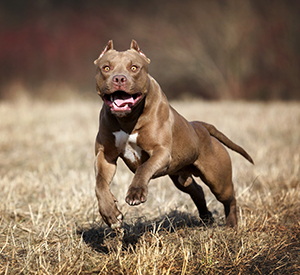
Pit bull

Best Dogs To Have Around For SHTF

I am going to hold back my inherent bias as best as I can. The Pit bull is a great size and incredible demeanor for the family. They are loyal to a fault when it comes to humans. However, they are so strong that if they do decide to engage a threat, there is little they can do about unless they have a firearm or pepper spray.

Pit bulls are insanely strong, and they do not run out of gas. Mostly has to do with them literally being bred to kill each other. Because of their bad rap they also deter most people from trying to buddy up.

Rottweiler

Best Dogs To Have Around For SHTF

Little dog bears. That is what rottweilers are. They are big, powerful dogs that are all about protection. In fact, they don’t even like you to leave the house! At home these dogs are big, unaware of how big, and loving.

Their main use was to herd livestock and pull carts laden with butchered meat to market. Although still used to herd stock in many parts of the world, Rottweilers are now also used as search and rescue dogs, as guard dogs, and as police dogs.

Again, they are a great deterrent animal because of their size and intimidating bark.

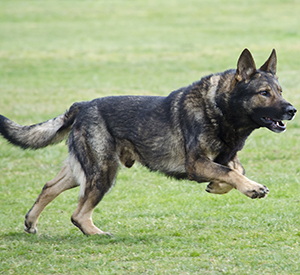
German Shepherd

Best Dogs To Have Around For SHTF

Whether in wars or cop cars, these are the dogs that men bring on duty! There are lots of breeds of dogs out there, but we have decided to bring one breed on duty with us into war zones both foreign and domestic. Now that is interesting.

German Shepherds are working dogs developed originally for herding sheep. Since that time, however, because of their strength, intelligence, trainability and obedience, they are often the preferred breed for protection.

The German Shepherd can be a handful because of their size, but they are incredible dogs with a long history of fighting alongside humans.

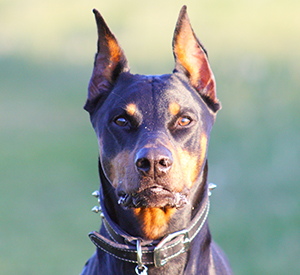
Dobermann

Best Dogs To Have Around For SHTF

We don’t see a lot of Dobermanns around anymore but there was a time when these dogs would adorn the old spiked collar and be one of the most terrifying dogs out there. They are huge animals as pets and are capable bringing a grown man to the ground if need be.

Dobermanns are known to be intelligent, alert, and tenaciously loyal companions and guard dogs.

Personality varies a great deal between each individual but, if taken care of and properly trained, they are generally considered to be loving and devoted companions.

They can easily be grown in pairs, since they instinctively know which one of them is the leader, and will strategically defend your property.

Herding

Some dogs are simply perfect on the homestead. They have been bred to perform in wide open spaces and as protectors of livestock. They are also great on perimeter security.

Feeding: the herding breeds can vary in size. Just understand that a dog like the Burmese is going to tear through food at 115 lbs! You are talking 6 cups of food each day!

The Border Collie, while the function is the same, will eat about half the food a Burmese Mountain Dog eats.

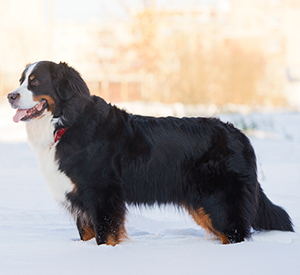
Bernese Mountain Dogs

Best Dogs To Have Around For SHTF

These big old herding dogs can weigh in at 115 lbs at the top end. That’s a lot of dog!

Bernese Mountain Dogs are going to do wonders around your property as they are bred to see threats and keep the sheep or other livestock corralled and safe.

A bread with origins in Switzerland, they do fine outside in the winter and are capable of doing the work of herding all year round in most areas.

Herding is also about watching so these dogs will notice when something doesn’t look right.

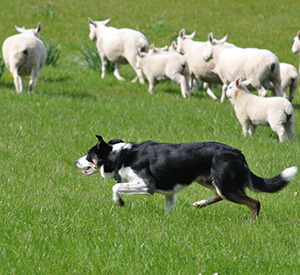
Border Collie

Best Dogs To Have Around For SHTF

These medium sized black and white herders are great family pets. From an upkeep perspective they are easy to groom.

Considered highly intelligent, extremely energetic, acrobatic and athletic, they frequently compete with great success in sheepdog trials and dog sports.

They are often cited as the most intelligent of all domestic dogs.

If you wear out their energy, they are also capable learning almost anything! A great dog to have by your side.

Trainable

While these dogs are not the intimidating powerhouses that we think of chained up in junk yards, these dogs are all great at being trained to do all sorts of things around your property.

Feeding: these pups are great, and most are mid-sized so that means you can get away with feeding them less than you would our bigger breeds. Labs can get pretty big but for the most part these are mid-sized breeds.

2 – 4 cups a day, depending on activity, will give these dogs all the nutrition they need.

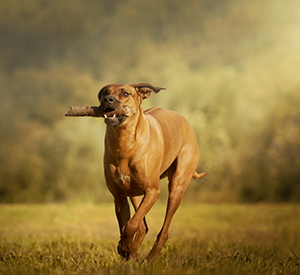
Rhodesian Ridgeback

Best Dogs To Have Around For SHTF

A fierce protector of family and a great hunter, the Rhodesian Ridgeback has been bred to impress.

They are medium size dogs with lots of strength. They don’t have a huge requirement for exercise. You would have to let them loose in your backyard, or go daily for a walk, since Rhodesian Ridgebacks have lots of energy.

They are reserved around strangers but not mean dogs. The Ridgeback will run with you for hours if you need someone to gallop with!

Labrador Retrievers

Best Dogs To Have Around For SHTF

Labrador Retrievers are what they are.

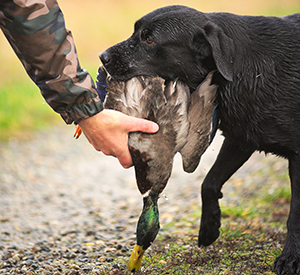
There is nothing more American Hunter than a chocolate lab with a duck in its mouth.

These dogs are special. They are tied into the hunting world. This has a lot to do with intelligence and how easy they are to train.

Labs of all shapes and sizes are great dogs for the family and for survival.

Pointers

Best Dogs To Have Around For SHTF

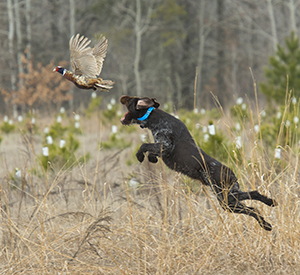
Outstanding eyesight, outstanding ability to be trained, pointers are hunting dogs.

They will be incredible companions if you decide to get some wild food or if you are taking a walk on your property the pointer is going to be ears up and eyes on.

Pointers are intelligent, affectionate, clean and intensely loyal. You can also have them around other dogs or cats, since their aggression level is very low to non-existent.

They tend to have extremely high energy levels, so make sure you go out for a walk each day.

Watch Dogs

They aren’t gonna take a bite out of anyone and scare them off. However, these little yippers are a true blood and bone alarm system if they suspect something is going on outside their home. That could be the time you need to put your own home defense protocols in place.

Feeding: these are by far the most efficient perimeter alarms that you are going to get your hands on. Animals of this size are only going to eat less than a cup of food per day! That means dog food storage is pretty easy.

Chihuahua

Best Dogs To Have Around For SHTF

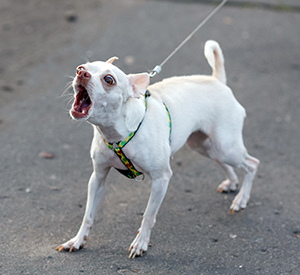
Chihuahuas are pretty hilarious when they get angry, but they are also highly effective yippers.

They are utterly relentless, also. This is a great attribute. You will find that your Chihuahua will let you know what is going on outside and will let you know for a long time. Even if you live in a house with a backyard, or in an apartment, Chihuahuas adapt to any kind of environment and you can rely on them being your “alarm”.

A little boom box, the Chihuahua.

Jack Russell Terrier

Best Dogs To Have Around For SHTF

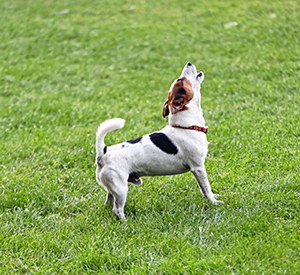
Bred to kill rats, these little terriers are, well, terriers. There is no stopping a terrier. They just go and go until they drop. However, most things going along with them drop first. I have seen Jack Russel’s eat the walls of a home out of frustration and boredom.

This should let you know that you need to give these dogs an outlet of some kind. However, if you redirect their energy to the good then they will be powerful allies.

The man’s best friend thing is not an accidental turn of phrase. These dogs have been running in our pack for thousands of years. They understand us and we understand them. They know when you are on edge and vice versa.

Can you think of anything better in a crisis?

Of course, your dog will have to be a functional part of your preparedness plan. Dogs cannot be a hindrance. You need to have room for them, food for them and all the rest. You need these things where you are and at your bugout location

All that said, if you have the right beast to guard the property, it will make all the difference.

WHAT WOULD A LONG TERM SHTF EVENT REALLY LOOK LIKE?

As preppers we tend to look at a total collapse scenario as a Mad Max or Walking dead type scenario. The truth is, there are far too many variables to say what it would be. So, what would a long term SHTF really look like?

I have heard it said that the more extreme the scenario, the less likely it is to happen. While this may be true, that doesn’t make it impossible. Throughout your life, you have probably witnessed or heard about things you never thought would happen. 911, Pearl Harbor and Nagasaki come to mind for me.

As preppers we prepare for the likely, as well as the unlikely, because it seems the more unlikely a disaster scenario is, the higher the stakes are. Because of this we need to be realistic about how the events might unfold, and how we may need to react.

This week in the show Lisa and I dug deep into some things that would cause a long term SHTF event, how things might unfold, and some of the variables we need to consider. While our survival is never guaranteed, preparedness is about learning and increasing our odds.

THE 3 MAJOR VARIABLES

In any disaster scenario there are 3 variables that will change how things unfold. There variables are other people, the government(s), and yourself. Regardless of the disaster scenario, these will factor into how well, or not so well things go for you.

Other People: It’s probably no surprise to hear that other people will play a big role in how your situation goes. People have proven time and time again that when things get bad, they will do whatever it takes to survive.

Government: Whether we are talking about our government, or other countries governments stepping in, there will be some sort of government to deal with. The people in control will do whatever it takes to maintain power, and who knows what that looks like.

Yourself: The decisions we make, the skills we learn, and how prepared we are, will all play a role in how everything plays out. This is why being honest with yourself about your abilities and skills is so important.

WHAT WOULD CAUSE A LONG TERM EVENT?

As I stated earlier, the odds of a large scale (country wide) disaster scenario are far less likely than a small scale disaster or personal doomsday, but this doesn’t mean we can ignore it. Just 3 years ago I would have said that the odds of an EMP were very low. Because of countries like Iran and North Korea, I can’t say that today.

In this article I wrote a while ago about possible disaster scenarios, I went over some events that could be both short term, and long term. Events such as an economic collapse, and EMP and war could be long term events.

It’s also important to note that a long term SHTF event could be cause by a combination of events. For example: if an EMP only took out the power grid on the west coast, it could mean devastating consequences for the economy.

POSSIBLE SHTF TIMELINE

In the show Lisa and I went over a SHTF timeline scenario. It’s hard to say exactly how things would unfold, but I think we all have a pretty good idea. This is a great topic to debate with family and friends to see what everyone thinks, and where everyone stands.

Day 1: People will be in shock and unwilling to contemplate the thought that no one is coming to help. Grocery stores would be ransacked and emptied within hours, and criminals would be taking advantage of the chaos.

3 Days: I think that around 3 days to a week is when reality set in for people. This is when the food runs out, and the realization that things are not going back to normal anytime soon sets in. The first couple of weeks will be the most dangerous in any disaster scenario, regardless how long it lasts.

3 Weeks: Around 3 weeks to a month is when the “die off” begins in full force. Iv’e seen numbers that say 90% of the population would die if the power grid went down, and I completely agree with that. As preppers, I think that if we can make it through this stage were doing pretty good, but we’re still not out of the woods.

3 Months: Somewhere in the 1 to 3 month window, the cleanup and rebuilding begins. This is when everyone who is still around understands the gravity of the situation, and understands what needs to be done for the future. Anyone who survives this long is either very prepared, or very lucky.

Rebuilding: It’s fairly easy to think about what might happen in the first few months of a SHTF scenario, but after that things get a little more complicated. What happens to government? The way our government works today may change, but they will still be around.

While most criminals would be dead at this point, there would still be some around. The ones that are still around have survived because they are far more dangerous than the street thugs stealing TV’s and ransacking stores. These people could build militias or large groups, and even try to implement their own style of government.

My whole point is that even though the worst would be over, these would be dangerous times to live in. There could be civil war, other countries offering “humanitarian aid”, and a number of other variables that could come into play.

THE BASICS

If you happen to make it past the first few months, well congratulations! You either really have it going on, or you are really lucky…probably a combination of both. After the major chaos, and when things begin to settle down, the basics begin to become the priority again.

While first aid, security, and sanitation are all important aspects of preparedness, your not going to get very far without food, water and shelter. Not every situation involves treating a wound, but you do need to eat and drink everyday.

Food: Regardless of how much food you have stored, yours is bound to run out. This is why gardening, hunting and foraging are so important. Eventually there would be farmers markets and the like, but it could be some time before grocery stores would come back into play.

Water: As with food storage, your water storage will eventually be depleted. If you happen to live into the long term stages of a disaster, you probably have the water situation figured out. Depending on your location and the situation, you may or may not have running water at this point. This is why figuring out solutions is so important rigth now.

Shelter: With a die off of 90%, there would probably be plenty of empty houses around, but if the banks are still around, that could be a risky proposition. If this long term SHTF event is an economic collapse or depression type event, owing money to the bank or renting could lead to eviction. This is why getting out of debt, and paying off your home is so important, although easier said than done for most of us.

These are just a few thought we had on what a long term SHTF event would look like, but if you have anything to add, leave a comment below.

The AK-47 vs AR-15: Which Rifle is Better?

Yes, I am going there. One of the most hotly debated questions in prepper/survival/firearm enthusiast circles is around the best survival rifle. For all intents and purposes, there are only two in competition in the US and those are the AK-47 and the AR-15. I will add that there are variants of both and I am lumping all of those into these two categories. This question of what is the best survival rifle is one that I asked myself when I was considering my first rifle purchase so I wanted to take some time on the Prepper Journal blog today to hash out what I see are the differences and to give you my opinion as to which rifle is better when it comes to the AK-47 vs AR-15.

House cleaning

I know that this subject is insanely controversial, even though it shouldn’t be. It’s the same as getting upset over Ford versus Chevy. If this post makes it to some of the firearms forums out there I know I will have some people who will disparagingly call me an “Internet Expert” implying that I have no idea what I am talking about. So be it. I am not an expert, but I don’t think anyone else is an expert either in this subject. I don’t think anyone out there is more qualified to determine what rifle is best in my opinion, for me, than me. I don’t really care if you are active duty police, 20 year military veteran, or mercenary for hire. This is my opinion based upon my belief and requirements, you are entitled to yours, but that doesn’t mean mine is invalid. It also doesn’t mean you are smarter than anyone else that disagrees with you. It simply means we have different opinions.

Additionally, I will throw out some facts that should be pretty easy to agree on and some opinions based upon my personal experience which may not be. Just because your experience is different, that doesn’t make it a law of science or anything. If you have a different experience, by all means, please comment down below but I would ask you to keep the debate civil as that is what I am going to try to do. If you would like to make your case for the opposite of what I recommend, please do so in the comments and we can all judge whether what you are saying makes sense.

History

Very briefly, the The AK-47 is a selective-fire, gas-operated rifle that fires 7.62×39mm ammunition. The AK-47 was developed in the Soviet Union by Mikhail Kalashnikov. Design work on the AK-47 began in the last year of World War II (1945).  In 1949, the AK-47 was officially accepted by the Soviet Armed Forces and used by the majority of the member states of the Warsaw Pact. It is still widely used today.


The AR-15 is a lightweight, magazine-fed, air cooled rifle with a rotating-lock bolt, actuated by direct impingement gas operation or long/short stroke piston operation that fires 5.56 mm/.223-caliber ammunition.

The AR-15 was first built by ArmaLite as a small arms rifle for the United States armed forces.Because of financial problems, ArmaLite sold the AR-15 design to Colt who made some modifications and the redesigned rifle was subsequently adopted as the M16 rifle which was the main rifle used by US Armed Forces. Colt then started selling the semi-automatic version of the M16 rifle as the Colt AR-15 for civilian sales in 1963 and the term AR-15 has been used to refer to semiautomatic-only versions of the rifle since then.

For the purpose of this comparison we are only going to be discussing semi-automatic weapons available for purchase in the US by a non FFL carrying person, not their fully automatic counterparts.

The Facts

You can quickly see some of the facts below about each rifle on this excellent info graphic from TacticalGear.com , but I will list what I see are the important differences between the two rifles.

  • The AR-15 can effectively shoot 200 yards further than the AK-47.
  • The AK-47 shoots a significantly larger bullet than the AR-15.
  • The AR-15 weighs 2 pounds less (not counting a lot of hardware we add after the fact) than the AK-47
  • The AK-47 usually costs less than an AR-15.
  • The AR-15 has a higher (30% more) accuracy than the AK-47
  • The AK-47 is more widely used globally by a long shot than the AR-15.

For more information and my opinion on which rifle is best, please read below the graphic.

The Debate

There are really only 3 main arguments that proponents of the AK-47 use as their rationale for saying that the AK-47 is the better survival rifle so I want to list and address each below.

  • AK-47 rounds penetrate better and do more damage – This is true generally speaking, let’s move on to the next point.
  • AK-47 Costs less – This is true generally, let’s move on to the next point.
  • AK-47 will keep working no matter how dirty it gets – This is also true to an extent, but with a caveat. The point to this argument is that if the AR-15 gets too dirty, you will have firing problems. I can tell you from personal experience that I have never had a single problem with any AR-15 or it’s fully automatic cousins that I have ever shot. However, I clean my rifles usually after every time I shoot them. Sometimes, I will wait, but they never go too long without a thorough cleaning, so what is this point supposed to be saying to us? Well, what if you are in a firefight and you have to shoot 300 rounds through your AR-15 rifle; will it jam then? No, at least not in my experience. Maybe if you shot 10000 rounds through it without cleaning the rifle you could see some issues, but if you are in a firefight so bad that you have shot 10000 rounds, you have bigger problems. What if you drop it in a vat of guacamole? Not a valid point in my book.

Which Rifle is the Best Survival Rifle?

I will tell you that in my opinion, the best rifle is the one you have with you when you need it. That sounds well and good, but if I was going to buy one rifle, and I lived in America, it would be the AR-15. Why? For me this comes down to 4 simple points.

Accuracy – The AR is simply more accurate at further distances than the AK-47. If I wanted to shoot a rifle up in the air when I was mad, riding in the back of a Toyota truck with 20 of my friends, or happy, or just plain stupid then I might get an AK-47. One of my goals is to be able to engage targets at up to 500 yards and the AR-15 does that better than the AK-47. The AK might use a heavier round that will go through more solid objects, but if you are able to kill the person holding the AK 200 yards before he can hit you, does that matter?

Range – Speaking of range, the AR-15 shoots further effectively, so that just adds to what I was saying above. Range is also important to me because I want to be able to take people out as far away as possible. I don’t want you getting so close that your AK-47 can hit me. I would rather you and your AK be far away and I will take care of you way out there. I don’t mind walking out there to pick up your rifle when I am finished.

Parts – The AR-15 is like the Barbie doll of the firearm world. There are so many accessories! And yes, the military version of this rifle (M16/M4) has a majority of parts that are fully compatible with the AR-15. The AR-15 is also the same weapon used by police, DHS, and NASA. If anything bad happens, there should be plenty of opportunity for spare parts to be acquired. I can’t say the same for the AK-47 unless we are invaded by Russia. So, even if your AK is able to fire with some mud in it, what if something breaks? That is why you buy spare parts you say. No, that is why you buy what everyone else is using including our government.

Ammo – Same as above, this is the ammo our police and military use as well as quite a large number of my countrymen, so I have the advantage of a very common caliber in my favor.

OK, that is my rationale and those are my reasons. The AR-15 does cost a little more on average, but you can find really good deals out there if you look and the price difference would be much lower. Does this mean I wouldn’t own an AK-47? No, not at all. I would love to have one, but I do think that for the reasons I listed above, if you can only choose one and you live in the good old US of A, the AR-15 is the better option in my opinion. I know for a fact people will disagree with me, so please let me know what you think in the comments below.

17 Things People Will Wish They Have After The SHTF: When That Happens, People With No Survival Skills Or Emergency Supplies Won’t Last Long

This post is a little different from my usual posts. If you’re already a prepper, I don’t expect this article to teach you anything new. Rather, I expect it to serve as a reminder of why we prep. I also hope that it can serve as a warning to those who don’t prep.

For example, you might think it’s unlikely that your home will ever be damaged or destroyed, but you still buy homeowners insurance just in case. It’s the same with prepping. Maybe doomsday will never arrive, but you never know.

And it’s not like we’re preparing for something that has never happened before. Millions of people die in disasters every year, economies collapse all the time, and terrorism is an ever-present threat. Sure, you might luck out where you live and never face a serious disaster. But then again, you might not.

Unfortunately, most people in the Western World are unfamiliar with history and current events, so they have no idea how common disasters really are. They assume they will always have access to modern luxuries: electricity, air conditioning, fresh water, affordable food, and so forth. Consequently, humans are more helpless than ever before. It’s gotten so bad that there are even teenagers who don’t know how to use can openers.

But they won’t find out how helpless they are until the SHTF. When that happens, people with no survival skills or emergency supplies won’t last long. They’ll quickly realize that a few basic survival items can mean the difference between life and death. Here are 17 things people will wish they have and why (in alphabetical order).

1. Barter Items

Hyperinflation is the main reason people stock up on barter items, but there are several other scenarios where they could become necessary. Most people don’t carry much cash anymore, so if the power is out or the Internet is down, they’ll have no way to purchase anything. That’s where barter comes in.

You probably won’t be able to barter at the grocery store, but you could at least barter with your neighbors. If you are desperate for food but you don’t have any barter items, they might take pity and help you anyway. Then again, they might point their guns at you. It’s definitely better if you have something to trade.


2. Bug Out Bags

For most people, everything they own in the world is in one place: their home. But what if your home is destroyed? Floods, hurricanes, earthquakes, house fires–all these things are guaranteed to happen again somewhere. What if your neighborhood is next?

Or what if there’s a pandemic, nuclear fallout, or an invading army on its way and you have to bug out quickly?

These are just a few reasons why you need a bug out bag. Even the most experienced survivalists would be pretty miserable trying to bug out without any supplies.


3. Cooking Gear

Imagine your stomach is growling as you stare at a pile of food you can’t eat because it has to be cooked. Although many modern foods can be eaten out of the box or can, foods like pasta, rice, and some frozen foods are inedible if they’re uncooked.

If the power goes out, it will only be a matter of time before the all the frozen meat thaws out and starts to rot. When that happens, you’ll be wishing you had a way to cook without power.


4. Fire

In this day and age, most people never truly experience the cold. They just wrap themselves in a blanket and turn up the heater. But without power, you’ll need to build a fire if you want to stay warm.

This is more important than you might think. Every year thousands of people die from hypothermia, and that’s during good times! Also, don’t forget that many foods need to be heated up before you can eat them.

Speaking of fire, don’t forget fire extinguishers. After a long-term power outage, some of the people who’ve never cooked over a fire or used lots of candles are going to accidentally set their homes ablaze. And with no fire department to stop it, the fire will spread from home to home. Entire neighborhoods might burn down. If you don’t have a fire extinguisher, you may have to evacuate your home.


5. First Aid Kits

Most people have no idea how fragile their bodies actually are. Millions of us would be dead right now if it weren’t for basic first aid supplies to keep wounds clean and prevent infections. And keep in mind that during disasters, injuries tend to skyrocket because of all the people climbing, doing manual labor, messing around with fire, and consuming contaminated food and water. If hospitals are overrun, people will have to help themselves with a first aid kit.

In addition, you should also have some extra medications and antibiotics. I, myself, would probably be dead right now if it weren’t for antibiotics.


6. Food

When’s the last time you were truly hungry? I don’t mean you skipped breakfast and now your stomach is growling hungry. I’m talking about the kind of hunger where your arms and legs are shaking with weakness, your stomach is in knots, and all you can think about is food no matter how hard you try to concentrate.

Most people have never actually been this hungry, but they will be if the SHTF. Grocery stores only have about three days of food on hand, a week at most, so you need to keep plenty of survival food on hand.


7. Fuel

Gasoline is something we all tend to take for granted. We use it almost every day but rarely think about it (unless the price goes up a little), much less where it comes from. After the SHTF, gasoline will disappear very quickly. Just look at what happens to coastal cities when a hurricane is on the way.

Not only do you need gasoline for your bug out vehicle, you need it for your power generator.

But that is just one type of fuel. You’ll also want to stockpile firewood, propane, isopropyl alcohol, or any other type of fuel you might need to cook food and keep warm.


8. Gardening Supplies

Gardening supplies are essential if during a long-term disaster scenario. For example, if the economy collapses like it recently did in Venezuela, you could have a situation where food shipments are few and far between, or quality food is simply too expensive. People who can grow their own food won’t be nearly as hungry.

In addition to supplies like rakes, spades, hoes, you’ll also want to get plenty of buckets so you can grow food indoors and keep fresh fruits and veggies on the table year round.

You should get some greenhouse supplies as well. A hoop house covered in plastic can significantly extend the growing season. There are countless DIY greenhouse plans out there. Most of them just take a little PVC and plastic sheeting, and they’re not that hard to assemble.

Heirloom seeds are another essential item. They need to be non-hybrid and open-pollinated. Why? Because if they aren’t, they don’t produce as much food or as many seeds, and they usually don’t taste as good (most seeds you buy in stores are hybrids). I recommend these survival garden heirloom seeds.


9. Lights & Batteries

Imagine looking out the window at night and seeing only darkness. Even worse, imagine a pitch black home where you can’t find anything you need and can barely see the faces of your loved ones. Not only would that be unsettling, it could also make you an easy target for burglars. Don’t let that happen, especially when there are so many ways to light your home when the power goes out.

Also, don’t forget batteries. You will need them not only for your flashlights but for any other electronic devices you might need such as radios or medical equipment.


10. Radios

Having no information of any kind from the outside world can be almost as frightening as not having lights. We are so used to having news delivered right to our phones, we forget how frustrating it is to be in the middle of a long power outage and have no idea what’s going on out there.

It’s even worse if we have no way to communicate with our loved ones. If there are people you care about in an area that’s been hit by an earthquake or hurricane, you will be overcome with worry until you’re able to get in touch with them. Don’t let that happen.


11. Sanitary Supplies

Not only do you need to keep wounds clean, you need to keep your whole body clean. When the garbage trucks stop coming, trash will pile up in people’s yards which will attract bugs, rodents, and disease. And when the water stops flowing, people won’t be able to properly clean up after meals or bathe themselves.

Those who don’t know what to do with waste will keep using their toilets and stink up their houses. Eventually, once-clean neighborhoods will be as filthy as the streets of a third world country. In this environment, many people will get sick and die from infections and deadly diseases that could have easily been prevented with proper hygiene.


12. Survival Books

Without the Internet, people will have a hard time figuring out how to do basic things. They’ll wish they’d bought some of those survival books they’ve seen online or at the bookstore.

I know some people who argue that a true prepper should commit survival knowledge to memory and practice survival skills on a regular basis so they don’t have to refer to books. I completely agree, but no one can learn everything. Even the most experienced preppers can keep learning new things.

And besides, what if you just started learning about survival a few months ago and the collapse happens tomorrow? Or what if after the collapse, you have friends and family with so many questions you don’t have time to answer them all? Wouldn’t it be nice if you could refer them to your survival library?


13. Sewing Supplies

In a long-term disaster, it’s possible there won’t be any clothes left in the stores. More likely, however, is you simply won’t be able to afford them. This is what happens during economic depressions–many people live hand to mouth and can’t even gather enough money for new socks.

But back in the day, people didn’t throw away a sock just because it had a hole in it. They would actually repair their socks (it was called darning). They would probably scoff at the idea of throwing away a perfectly good sock with one little hole. After all, they’re not very difficult to repair.

If there’s another great depression, people will have to learn how to start sewing again so they can repair their torn clothes and even make new clothes out of sheets, curtains, and any other fabric they can find.


14. Shelter

This is more of a skill than a thing, but it’s a very important skill. If you have to bug out and you find yourself in the wilderness, one of your top priorities is to build a good shelter. That last thing you want to do is curl up under a tree while the cold air nips at your face and dampness from the ground seeps into your clothes. Do that, and you risk getting hypothermia.

Hopefully, you have a tarp and some paracord in your bug out bag, but it’s possible to build a shelter from scratch.


15. Tools & Home Repair Supplies

After a disaster such as a hurricane or an earthquake, you will probably need tools to repair things around your home. Hammers, screwdrivers, wrenches, shovels, saws, and so forth. Even if your home doesn’t get damaged, you still may want to lend tools to your neighbors, or you may want to board up windows to stop potential intruders, or you may simply need an ax for chopping firewood. You never know.

Tools are no good without home repair supplies. Don’t forget to stockpile nails, screws, lumber, plywood, caulking, wire ties, duct tape, plastic sheeting, etc.


16. Water

You will be shocked by how quickly thirst sets in once there’s nothing to drink. If the power is out for too long, the tap water will stop flowing. And unless you’re able to collect rainwater, you’ll die of thirst in just a few days.

Even if the water is still flowing, you could be facing a disaster where the water is contaminated. The last thing you want to do is drink water that makes you and your family sick, especially if the hospitals are overrun. So make sure you stock up on water and have at least two ways to purify water.


17. Weapons

Every time there’s a riot or a widespread disaster, some people take advantage of the situation and start looting. If the event lasts a long time and the authorities are unable to restore order, you can bet the looters will move from the commercial areas to the residential areas. Especially if they’re starving.

This is why you need to have a good weapon for self-defense, preferably a firearm. Don’t stand there helplessly as criminals kick in your door, attack your family, and steal the things you need to survive. If possible, prevent this from happening in the first place by putting some good home security measures in place.


As I said in the intro, I don’t expect preppers to learn a whole lot from this article. But every now and then we need reminders like this to keep us motivated. And if you’re not a prepper, then hopefully this article will give you the push you need to get started. 

40 Dirt-Cheap Items That Will Be Priceless After The SHTF: Next Time You Visit The Dollar Store, Take A Walk Down Each Aisle And Start Stocking Up On All The Little Things That Will Make Life Much Easier After SHTF

Although some survival supplies can be pretty expensive, most of the things people will need after the SHTF are dirt cheap. For example, right now toilet paper only costs about 50 cents a roll. But once the store shelves are bare, most people will trade a lot for a single roll of toilet paper. And that’s just the beginning.

When you think about disaster preparedness, keep in mind that a lot of cheap stuff we take for granted in today’s world will be extremely valuable and desirable after SHTF. This is the stuff you want to stock up on now. Not only will you need it for yourself and your family, but you may also need it for bartering.

Here are just 40 examples of cheap items you’ll want to stock up on while they’re still available. I’m sure there are plenty more, so if you think of any, be sure to leave a comment below or on our Facebook page.

Now on to the list…

1. Toilet Paper

Toilet paper is pretty self-explanatory unless you are fond of leaves and what-not.

2. Hand Sanitizer

Hand sanitizer will be very useful when water is in short supply and you need to keep your hands clean.

3. Soap

Soap is so cheap today that we tend to take it for granted. But when it’s gone, people will miss it badly. It is crucial to maintaining cleanliness after the SHTF to keep diseases from spreading.

4. Lighters

Lighters will be useful as well as an excellent barter item. Buy them in bulk and keep them on hand.

5. Duct Tape

Duct tape has all sorts of uses. Buy several rolls because you’ll need more than you might think.

6. Glow Sticks

Glow sticks can serve as night lights, trail markers, or signals. They are very cheap, but very useful. (Bonus tip: These are really cheap right after Halloween.)

7. Kleenex

Kleenex or some tissues. You’ll continue to get colds or have allergy problems after the SHTF, and you don’t want snot everywhere or a raw nose.

8. Vitamins

Vitamins will help keep your immune system strong. Remember, most survival food isn’t very high in vitamins, and your body desperately needs vitamins to stay healthy. Especially Vitamin C.

9. Aluminum Foil

Aluminum foil has dozens of usess. Buy lots so you can use it for gardening, cooking, cleaning, etc.

10. Cigarettes

Cigarettes may not be healthy, but after SHTF they are going to be in high demand. A single pack could be worth a great deal of supplies, and they actually have some survival uses.

11. Cheap Wine

Cheap wine is easy to come by and will store forever. After fighting all day, a nice glass of wine will go a long way toward calming the nerves.

12. Bandages

Bandages are only a few bucks for dozens of them. Buy a lot so you can treat minor wounds without being stingy.

13. Ammunition

Ammunition is fairly inexpensive right now for certain kinds, so buy it while you still can. Folks who are looking for .22 will tell you the benefit of buying when it is plentiful and cheap.

14. Condiments

Condiments like ketchup and mustard can sit on the shelves for a while and make an ordinary meal taste a lot better.

15. Spices

Spices like oregano, garlic powder, and the like will turn that bland soup or stew into a delicious meal.

16. Candy

Candy will be an excellent way to keep the kids happy and reward them for helping out during hard times. It’s fun for adults, too.

17. Lotion

Lotion can help prevent cracked and chafed skin, which can become a serious problem if left untreated.

18. ChapStick

Chapstick is more important than many people realize. When you are outside working in cold or windy weather, your lips will become chapped and it can be very painful. Plus, there are many other uses for chapstick.

19. Ziploc Bags

Ziploc bags will be helpful to store leftover bread and other treats you make, or for keeping socks, tinder, small electronics, etc. dry.

20. OTC Medications

OTC medications like aspirin, ibuprofen, and acetaminophen do expire eventually, but the first few years of a post-apocalyptic world will be a little easier if you have them.

21. Sunscreen

Sunscreen is very important and needs to be used to prevent serious sunburns that can leave you dehydrated or suffering from heat exhaustion.

22. Flour

Flour will make life a little easier. Making flatbreads, thickening stews, and baking in general is much better if you have plenty of flour.

23. Sugar

Sugar makes life better all the way around. You want to enjoy the food you eat; not just eat for survival. I know some people will scoff at this, but morale is very important during a disaster.

24. Feminine Products

Feminine products will be in high demand as women get used to a new way of living without the luxury of feminine hygiene products at the ready.

25. Seeds

Seeds to grow a garden will be crucial to creating a sustainable life. Store a large variety of heirloom seeds so you’ll also have seeds for next season and so on.

26. Matches

Matches can be purchased for just a few dollars. Store hundreds or thousands if you can. You will have a lot of fires to start after the SHTF.

27. Pens, Pencils, and Paper

Pens, pencils, and paper can provide entertainment as well as a way to send information and document your new way of life. In fact, if it’s the end of the world as we know it, you should definitely keep a journal. Not only will it be valuable to future generations, it will be therapeutic.

28. Condoms

Condoms, because having lots of babies after SHTF is not going to be ideal and chemical birth control is not going to be available.

29. Baking Soda

Baking soda isn’t just for baking. You can use it for many things such as cleaning, deodorizing, and more.

30. Ponchos

Ponchos can be picked up at the dollar store. You can’t afford to get wet when it is cold out. If you have a heavy-duty poncho, there are several other things you can do with it.

31. Cotton Balls

Cotton balls can be used for cleaning, treating wounds, and protecting the ears when you have to be outside in the bitter cold.

32. Zip Ties

Zip ties are versatile and extremely useful for putting up a quick shelter, holding a door closed, or fixing small things around the house, and much more.

33. Salt

Salt makes food edible and can be used for cleaning, taking care of pests that are invading your camp, de-icing in the winter, etc.

34. Candles

Candles are fairly cheap and you will be surprised at how many you will go through. Candles can be used in place of flashlights to conserve battery power.

35. Shoe Strings

Shoestrings aren’t just for keeping your shoes on. They can be used as cordage for all sorts of things.

36. Activated Charcoal

Activated charcoal is a cheap yet potentially life-saving item that many people overlook. It helps treat poisonings, purifies water, and relieves gas and bloating.

37. Toothbrushes and Toothpaste

Toothbrushes and toothpaste should be stored in bulk. Good oral hygiene is important when there are no dentists.

38. Fishing Line

Fishing line isn’t just for fishing. Use it to hang items, make a snare trap, and set booby traps around your camp.

39. Towels

Towels can be picked up at yard sales and thrift stores. Use them as intended, to make slings, or to seal up a drafty door.

40. Sewing Supplies

Sewing supplies will be needed to mend your clothing when you can no longer stop by the mall or Walmart any time you need new clothes.

Next time you visit the dollar store, take a walk down each aisle and start stocking up on all the little things that will make life much easier after SHTF.

Design a site like this with WordPress.com
Get started