The purpose of this article is not to freak you out, although that may be unavoidable. I’m going to touch on potential disasters and then zero in on how to survive an EMP attack, the mother of all disasters.
For those not up to speed about what an EMP is, let alone how to survive an EMP attack, then this article is for you. EMP, aka, electromagnetic pulse, is a very bad event. You’re awareness of this and steps taken prior to an EMP can and likely will dictate whether you and your loved ones survive. In short, my belief is, if you’re prepared to survive an EMP attack, you’ll likely make it through whatever else comes your way.
Think for a moment about all the things you depend on daily for comfort, convenience and even survival. Here is very partial list: refrigerated food and liquids, television, radio, lights, transportation (car, air, train, etc), the places you buy your food and anything else routinely full with inventory for you to browse and of course… your computer. The list supplied is intentionally abbreviated.
What do each of the things listed share in common? of course they share a few things in common but with respect to an EMP, everything listed above requires some form of electricity.
We all know about power failures. They’re a pain. But what if a third or half the United States lost all electrical power for at least 6 months? How would that happen? In simple terms if a rogue nation (North Korea for example) or a group (ISIS) were to somehow detonate a nuclear bomb at say 10,000 feet elevation this would create an electromagnetic pulse rendering all unprotected electrical circuits useless forever.
All of a sudden, you and everyone else affected by the EMP attack would be physically fine but thrown into an 1850’s society with no electricity. Within just a few days millions of people will start getting very thirsty and extremely hungry and maybe dangerously cold or hot. Within 10 days all heck starts to break out as people start to really go into “I need food and water mode”.
The first five things you need to survive an EMP attack are:
1) Purchase a functional and affordable survival plan. As the saying goes, you either plan to survive or you fail to plan.
2) Buy a water filter, then stock up on water.
3) Store food rations; freeze dried is ideal.
4) Insure you have shelter and warmth.
5) Develop a plan to defend yourself.
We can argue about the order of the items listed above or that maybe the list needs to be longer. But one thing everyone agrees on, without a well thought out plan, your chances of surviving an EMP attack for a few weeks let alone for months, drops big time. For the sake of you and all those you love and cherish, I urge you to take the basic steps to get prepared.
I’m not saying turn your life upside like those “prepper” shows on TV. Not at all. Get the knowledge you need and then take some basic steps to keep you and your loved ones safe just in case it all goes sideways. Because, after the EMP hits, you either have the knowledge and prep work done or you don’t.
If you’re stressed out by what’s going on in the world today, join the crowd… me too! Taking modest steps to be emergency ready actually lowers stress. Why? Because you have a plan. Regardless of the crisis, getting prepared now need not cost a ton or take countless hours of your time.
Have you ever wondered what makes a person snap? What causes a normal, quiet, everyday citizen, loving mother, or doting father to lose it all and fight like a caged animal? What can cause a small village to rise up and rebel against an oppressive police force and start killing them? What is the switch that gets flipped that causes a city to pour two million people into the streets, chanting and demanding to be heard by their government?
Lately it feels more and more as though we are on standing on the edge of some yawning precipice peering over the crest into darkness. What is more troubling to me is that we have been down this path before. The sense of unease is almost palpable to me sometimes; it is more evident if you are paying attention. If you are able to eliminate the white noise of the world for a minute; hit the pause button on the playlist of daily life for a while and look around, listen, you may start to recognize that you too are caught up in events that will soon change all our lives.
For several years I have felt an unsettling sense that we need to be prepared, that life is going to throw us a big, fat, greasy curve ball soon and we better not be caught napping. To try and proactively address that warning voice I started planning and taking steps to prepare my family to be able to weather events in the future. I am certainly not alone in this concern as you can easily see by the tremendous growth of the prepper movement. In the spectrum of probable events, there are a lot of potential scenarios. Natural disasters and emergencies occur every day all over the world, but you have to broaden your gaze and look to current events and history as well. One of the things that I think is a valid potential event to consider is a collapse of our way of life which leads to an authoritarian oppressive government.
Are we reaching a tipping point?
SS soldiers guarding the column of captive Jews in the Warsaw ghetto.
We have seen in recent events, by now almost too numerous to mention, the effects of a rising frustration with the way things are. It isn’t necessary to go into all of the individual reasons, but as a society there are more and more outpourings of frustration on a global scale. There are increasingly tightening restrictions against people. There is a manipulation of markets and the economy. There is a great increase in the loss of freedom and there is a more open antagonism and almost outright animosity by Government towards their people.
Governments exist either because they have come to power through force and violence or they have been elected and given power by the people. The force and violence crowd usually have their roots in the military and we like to call them Dictators. There have been a ton of them throughout history; Hitler, Stalin, Mao, Kim Jong iL and now his son, Saddam, Gaddafi, the list goes on and on. Dictators don’t care about the people and usually kill anyone who gets in their way. It is a fact that government has killed more people than any other cause, disease or reason.
The other side of the coin is what is usually called Democracies. I am lumping a lot of governments in here I know, but the democracies are usually elected and formed with the consent of the people with the noble goal of securing rights or protecting the people over whom they govern. Almost without fail however, Democratic Governments eventually do not want to answer to the people and at some point they most certainly will not be told what to do by the people to the point of ignoring the will of the people (for the people’s own good of course). Now these governments that are supposed to secure the liberties of their people are becoming more openly hostile to the same people they have sworn to defend. Funnily enough the democratically elected governments now seem to want to hang on to power with the same methods of force and violence as dictators. How else can you explain arming themselves with ammo, ignoring the constitution, purchasing assault vehicles and preparing to confiscate firearms?
When governments will steal money outright from the citizens in order to pay bills that were not incurred by the people we have a problem. When government spies on its people and uses that information against them punitively we have a problem. When Government uses the force of the military that was supposed to defend the people that was paid for by the people, for the purposes of killing the people, we have a big problem. When someone brings to light crimes by the government and is labeled as the one who is a danger, we have a problem.
The problem is that governments around the world are viewing their people as the problem and there really seems to be only one way throughout history that this is ever rectified. My fear is that we are already set on a course that won’t be changed with laws, great political leaders, or a return to the values of a golden age in time long past.
The Fine Line – The Straw that breaks the camel’s back
The fine line between someone who is a law-abiding citizen and a murderer is one that exists purely in our souls. There is nothing physical that is different from a person who follows the rules and someone who breaks them. The urge to pull the trigger isn’t something you can see and it isn’t a trait to test for, so it must be our own individual sense of right and wrong. Of good and evil.
I know that some will argue that a psychopath is definitely recognizable by character traits and maybe even brainwaves or chemistry. That may be true, but you can be a psychopath (clinically) without ever hurting anyone. By the same token, you can take a life while being perfectly “sane”.
If you hold a knife in your hand, you are just as capable of using that to stab or cut someone as the murderer in the next town, but that thought never enters the mind of an overwhelming majority of people. A baseball bat in your hands can easily be swung with great force connecting it to the back of a skull, but this thought never appears in our heads; that is unless we are forced into a corner. When a person is in desperate fear for their lives, the unspoken rules of right and wrong are broken. The processes that we follow every day are overridden in the cause of rage or self-preservation. What was unthinkable before is now very real, necessary and even righteous with the right circumstances.
When the right buttons are pushed, anyone can lose it. When the fear of dying or of losing someone you love is so overpowering, the “fine line” that has been keeping us sane, law-abiding and good is easily shattered. When this happens, all bets are off.
We as a people, a country are still rather firmly attached on the good side of this line. We have not yet completely been driven to abandon all hope and lash out. We have not yet been so harmed, have not gotten to the point that we have nothing to lose and are ready to lose it, but this may be coming in the future.
The force and violence that is being used now to quell the dissatisfaction of people globally is increasing. The methods to cease the complaining of the rabble has been relatively minor with some exceptions. Tear gas, rubber bullets, mace and batons only work up to a point though. When the time comes that people can no longer abide, there won’t be enough police to stop them using riot control techniques. The military doesn’t have enough people to stop the entire population unless those people peacefully agree to surrender, so what will they do? Do you believe any government will quietly step down and admit that they are obviously not speaking for the people anymore? No. They will resort to more force and violence and people will die. Either that or you have a coup like they had in Egypt and guess who took over to “restore order”? Yep, the Military.
What will be the inevitable response by the authorities?
The Chinese people who started to revolt against the police in their town did so because the authorities were “placing restrictions on their culture, language and religion”. China is no picnic compared to America and we clearly know they have lived through far worse oppression than we have, but this was the straw that broke the camel’s back for them?
The protests which turned into an estimated two million citizens of Brazil had started simply enough with a protest over a rise in the rates of public transportation.
In America, what will be the trigger that causes people to rise up and say we aren’t going to take this anymore and more importantly what will happen when/if we do?
What will happen if we don’t change the path we are on?
The execution of the last Jew in Vinnytsia, made by an officer of the German Einsatzgruppen
There is a quote that has always struck me as very sad and telling from Aleksandr Solzhenitsyn in his book The Gulag Archipelago. Solzhenitsyn was a Russian who was sentenced to 8 years in a Soviet prison camp for essentially writing things about Stalin that the government didn’t like. During this time in Soviet Russia, to stifle dissent, millions were killed or sent to prison camps. In this passage Solzhenitsyn is talking about regret that everyone felt because they simply went along with this tyranny and didn’t oppose it.
“AND HOW WE BURNED IN THE CAMPS LATER, THINKING: WHAT WOULD THINGS HAVE BEEN LIKE IF EVERY SECURITY OPERATIVE, WHEN HE WENT OUT AT NIGHT TO MAKE AN ARREST, HAD BEEN UNCERTAIN WHETHER HE WOULD RETURN ALIVE AND HAD TO SAY GOOD-BYE TO HIS FAMILY? OR IF, DURING PERIODS OF MASS ARRESTS, AS FOR EXAMPLE IN LENINGRAD, WHEN THEY ARRESTED A QUARTER OF THE ENTIRE CITY, PEOPLE HAD NOT SIMPLY SAT THERE IN THEIR LAIRS, PALING WITH TERROR AT EVERY BANG OF THE DOWNSTAIRS DOOR AND AT EVERY STEP ON THE STAIRCASE, BUT HAD UNDERSTOOD THEY HAD NOTHING LEFT TO LOSE AND HAD BOLDLY SET UP IN THE DOWNSTAIRS HALL AN AMBUSH OF HALF A DOZEN PEOPLE WITH AXES, HAMMERS, POKERS, OR WHATEVER ELSE WAS AT HAND?… THE ORGANS WOULD VERY QUICKLY HAVE SUFFERED A SHORTAGE OF OFFICERS AND TRANSPORT AND, NOTWITHSTANDING ALL OF STALIN’S THIRST, THE CURSED MACHINE WOULD HAVE GROUND TO A HALT! IF…IF…WE DIDN’T LOVE FREEDOM ENOUGH. AND EVEN MORE – WE HAD NO AWARENESS OF THE REAL SITUATION…. WE PURELY AND SIMPLY DESERVED EVERYTHING THAT HAPPENED AFTERWARD.” – ALEKSANDR SOLZHENITSYN
Will this be our fate too? Will we slowly be conditioned to accept atrocities like this and to be completely defanged so that we can be herded into camps without so much as a whimper as well? That’s crazy you say! Is it? Right now, our government is hunting down someone who simply exposed how they (government) were illegally spying on all of us. Our government is buying arms and stockpiling weapons for use domestically not in some war. Our government has the IRS actively harassing a single political/opposition party. Our government has shown that they will lock down a town and go door to door while making the citizens stay cowered inside. Our government has stated that they can imprison anyone without cause for an indefinite amount of time.
Can you seriously argue that we aren’t headed down the same path as others have in our not too distant past?
This is not a call to armed Revolution, but I do think we should all be very wary of this course we are on and the echos of history. We should not be silent in the face of increasing oppression. We should not simply go along quietly because of the fear that we may get in trouble, or worse that we believe the government is only looking out for our best interests. You only need to look at the people in Poland who quietly went into the Warsaw ghettos. You don’t have to look any further than the Holocaust to see what quietly going along will get you.
This is not a fate that I will be bringing on my family.
The last thing any prepper should do is buy into a feeling of peace of mind and safety. Even after amassing a seemingly sufficient stockpile, you need to acquire and maintain survival skills that will serve you even better than supplies.
In addition to stockpiling resources for SHTF scenarios, you must be able to protect your emergency supplies. You will need weapons, the skill to use those weapons, and the right philosophy and strategy to secure your stash during the entire crisis.
Eventually, you will need to leave your bug-out shelter to interact with other people and get certain supplies that you lack or have run out of. Potential methods of interaction include bartering, negotiating, trading, and fighting.
As a prepper, you need the appropriate strategy and skill set to succeed at such interactions. You must assemble a network of trusted people who may help you out.
You must know a ton of information about different groups of people, customs, the criminal mindset, and the like. You must also develop skills in communicating with other people and fighting.
Avoid relying on a single location or source for supplies
Another essential thing that preppers must remember is mobility. The ability and freedom to bug out and stay on the move may prove much more vital than stockpiling a lot of supplies and equipment at home or in the bug-out shelter.
Mobility means always having a survival backpack and weapon handy in case SHTF and you must get out of Dodge and head for the hills. It involves avoiding heavy dependence on just a single location or source of supplies.
SHTF scenarios may force you to bug out of your home due to various reasons. Due to the likelihood of losing the house, avoid stockpiling too many supplies at home.
You must develop a SHTF plan that lets you stay mobile while ensuring that you retain access to resources. Set up a bug-out shelter somewhere safe. You must also prepare several survival caches on the way to the shelter as well as nearby.
You should also come up with bug-out plans for disaster scenarios like earthquakes and storms. Map out different ways to get to the bug-out shelter. Again, develop a network of people who will make it easier to get to the shelter.
Planning for SHTF scenarios
Finally, you must acknowledge that an SHTF scenario will likely catch you unawares. As such, you should prepare ahead of time so that you are ready in case an emergency takes place during an inconvenient time and in an unlikely place.
Survival is about acting correctly in an SHTF situation. Preppers enjoy an advantage over non-preppers since they already prepared for this kind of crisis. They just need to stay calm and follow the plan they readied in advance.
In summary, prepping doesn’t end once you complete your stockpile of emergency supplies at your home and bug-out shelter. You must continue preparing for SHTF scenarios by developing the right strategies for any potential crisis.
In particular, you must come up with strategies regarding trade during SHTF scenarios. You must plan and prepare beforehand so that you stock up on items that are easy to carry and trade yet will become invaluable during emergencies.
Learn about the people in your region, their preferences, and possible locations for trading. Lastly, you must look out for the inevitable group that will take over the black market.
History is witness to the triumph of the ancient Roman army, as evidenced from the Roman empire in its apical scope – which held sway over a major chunk of the known world, ranging from Spain to Syria (and Iraq), and from North African coasts and Egypt to most of Britain. Suffice it to say, this ancient military was known for its sheer discipline, incredible organizational depth, and the ability to adapt. Some of these qualities were demonstrated through logistics during the Second Punic War, where the Romans ultimately emerged victorious, in spite of (possibly) losing one-tenth to one-twentieth of their male population in a single battle (at Cannae). And complementing their unflinching capacity to bounce back from disastrous situations, was the evolution of the Roman military over the centuries. To that end, a plethora of Roman military developments was actually ‘instigated’ by their foes, and as such many of the successes of the ancient Roman military system can be attributed to their inherent capacity to simply ‘react’.
Evolution of Tactics of the Roman Army –
This fascinating graphical video concocted by YouTuber Historia Civilis aptly showcases the ‘reactionary’ evolution of Roman battle tactics. And while the content treads a simplistic (though nifty) overview, we can get the core idea behind the Roman military system and how its adaptability set it apart from some of the other militaries of the ancient world.
The Early Roman Levy –
Early Roman soldiers, circa 7th century BC. Illustration by Richard Hook.
While the video doesn’t really cover the scope of the Romans during their initial days, the earliest Roman army equipment’s archaeological evidence ranges far back to 9th century BC, mostly from the warrior tombs on the Capitoline Hill. As for the literary evidence, they mention how the earliest Roman armies were recruited from the three main ‘tribes’ of Rome. This shouldn’t come as too much of a shock (for those who are used to reading about the ‘civilized’ nature of Rome) since the settlement of Rome itself started out as a backwater which was inhabited by cattle rustlers who made their camps and rudimentary dwellings among the hills and the swamplands.
As for the evolutionary part, the transition of the Roman army from ‘tribal’ warriors to citizen militia was achieved in part due to the Roman society and its intrinsic representation (with voting rights) in the Roman assembly. To that end, the early Romans were almost entirely depended on their citizen militia for the protection and extension of the burgeoning faction’s borders. These militiamen were simply raised as levy or legio – which in turn gives way to the term ‘legion’. In essence, the so-called legions of early Rome were ‘poor’ predecessors to the uniformly-equipped and disciplined soldiers of the ensuing centuries (which we have discussed later).
The Roman Phalanx –
Roman hoplite (on right) fighting against the Etruscan warriors. Source: WeaponsandWarfare
The video starts off with what can be termed as the first solid formation of the Roman army (when Rome was still a city-state kingdom). And quite unsurprisingly, the Roman military system of this time was inspired by its more-advanced neighbor (and enemy) – the Etruscans. In fact, the mass formation of hoplites fighting with their shield and spear – known as a phalanx, was already adopted by the Greeks by 675 BC and reached the Italy-based Etruscans by early 7th century BC. The Romans, in turn, were influenced by their Etruscan foes, and thus managed to enact many of the rigid Greek-inspired formations along with arms in real-time battle scenarios.
Many ancient authors conform to this Roman army adoption of ‘foreign’ tactics. For example, Diodorus Siculus (In his The Library of History) mentions how the Romans ditched their light rectangular shields and endorsed the heavier bronze shields of the Etruscans. This military replication, in turn, allowed the Romans to triumph over the Etruscans. Anon (in his Ineditum Vaticanum) also supports this view by saying how the Etruscans were given a taste of their own medicine when the Roman army embraced the very same tight hoplite formations to counter its enemies.
As per historical tradition, the adoption of the hoplite tactics was fueled by the sweeping military reforms undertaken by the penultimate Roman ruler Servius Tullius, who probably ruled in 6th century BC. He made a departure from the ‘tribal’ institutions of curia and gentes, and instead divided the military based on the individual soldier’s possession of the property. In that regard, the Roman army and its mirroring peace-time society were segregated into classes (classis).
According to Livy, there were six such classes – all based on their possession of wealth (that was defined by asses or small copper coins). The first three classes fought as the traditional hoplites, armed with spears and shields – although the armaments decreased based on their economic statuses. The fourth class was only armed with spears and javelins, while the fifth class was scantily armed with slings. Finally, the six (and poorest) class was totally exempt from military service. This system once again alludes to how the early Roman army was formed on truly nationalistic values. Simply put, these men left their homes and went to war to protect (or increase) their own lands and wealth, as opposed to opting for just a military ‘career’.
The Roman Maniple –
But the greatest strength of the Roman army had always been its adaptability and capability to evolve. Like we mentioned before how the early Romans from their kingdom era adopted the hoplite tactics of their foes and defeated them in turn. However, by the time of the First Samnite War (in around 343 BC), the Roman army seemed to have endorsed newer formations that were more flexible in nature. This change in battle-oriented stratagem was probably in response to the hardy Samnite armies – and as a result, the maniple formations came into existence (instead of the earlier rigid phalanx).
The very term manipulus means ‘a handful’, and thus its early standard incorporated a pole with a handful of hay placed around it. According to most literary pieces of evidence, the Roman army was now divided up into three separate battle-lines, with first-line comprising the young hastati in ten maniples (each of 120 men); the second line comprising the hardened principes in ten maniples; and the third and last line consisting of the veteran triarii in ten maniples – who probably fought as heavy hoplites (but their maniples had only 60 men). Additionally, these battle-lines were also possibly screened by the light-armed velites, who mostly belonged to the poorer class of Roman civilians.
Suffice it to say, a maniple was a far more flexible formation than the ‘solid’ yet (occasionally) unwieldy phalanx. More importantly, these formations, collectively called the triplex acies, allowed for a battlefield system of reserves being deployed for better tactical advantage. For example, when the front-lining hastati was drained of his strength during the heat of the battle, he could fall back upon the reserve lines of the elite triarii. The well-armored veterans were then deployed forward in a cyclic manner – thus resulting in a fresh batch of troops countering the exhausted (and usually less-organized) enemy. This simple yet effective tactic changed the outcome of many a smaller battle in 4th century BC – as represented by the above video (reconstructed by Invictus, in the Rome 2 game engine).
The Roman Cohort –
Illustration by Peter Dennis. Credit: Warlord Games Ltd.
As the Roman realm continued to expand at a rapid rate, especially during and after the conclusion of the Second Punic War, the Romans encountered larger armies of the more organized military powers of the contemporary times. By the 2nd century BC, the maniples were simply not ‘big’ enough to be deployed in mass scale in battles. So again, as a reactionary measure, the Romans (gradually) moved away from a pseudo-class based system, to induct a collective solution for their armies. The result was the cohort – a flexible group of around 480 men who were armed and armored in a similar fashion. Ten such cohorts made a legion, and thus the later Roman soldiers are simply known as the legionaries, as opposed to individualistic categorization like hastati and triarii.
For all-intents-and-purposes, the Roman legionary was a professional soldier of the ancient times – recruited (and sometimes conscripted) from different parts of the Roman Republic (and later Empire). And befitting a professional soldier, the green recruits who were successfully enlisted as legionaries had to go through a stringent training period of 4 months. During this training ambit, each soldier was given the unenviable task of marching 29 km (18 miles) in five hours with regular steps, and then 35 km (21.7 miles) in five hours with faster steps – all the while carrying a backpack that weighed 45 lbs (20.5 kg).
This weight was intentionally allotted for increasing the endurance level of a legionary and thus added to the overall weight of the panoply worn by the soldiers in their full gear (the weight of the lorica segmentata armor alone might have gone beyond 20 lbs). As expected, the ‘slowpokes’ were severely beaten by centurions and officers with their staffs. Interestingly enough, many of the similar ‘regimens’ are preserved through our modern military culture – with elite forces of some countries trained via such rigorous boot camp methods.
The Organization of the Roman Army –
The ancient Roman army was known for its sheer discipline and incredible organizational depth. Pertaining to the latter ‘quality’, an animated short video by Blair Harrower aptly demonstrates how the Romans organized their army down to the last details when it came to troop-types, corresponding officers and their formations, thus alluding to an impressive tactical scope that was matched by very few ancient armies. Now it should be noted that the animation showcases the scope of post-Marian reforms – a military system overhaul that only took place after 107 BC (thus corresponding to the late Roman Republic and the subsequent Roman Empire).
Length of Service –
Now while the video does provide some solid, unwavering numbers when it came to Roman legionaries, in actual scenarios the situations faced by the Roman army were often more chaotic. During the latter part of 1st century BC, Augustus followed the guidelines of the preceding centuries and officially formalized the length of service of a legionary to 16 years (in 13 BC). But it should be noted that even after 16 years of service, he was expected to join the vexillum veteranorum or unit of veterans for four more years.
However, by 6 AD, the initial length of service was increased to 20 years, and it was complemented by the praemia militare (or discharge bonus), a lump sum that was increased to 12,000 sesterces (or 3,000 denarii). And by the middle of 1st century AD, the service was further extended to 25 years. Now beyond official service lengths, the protocols were rarely followed in times marked by wars. This resulted in retaining the legionaries well beyond their service periods, with some men fighting under their legions for over three to four decades. Suffice it to say, such chaotic measures frequently resulted in mutinies.
As for pay, other than the lump sum of praemia militare, a basic legionary was paid 900 sesterces per year (paid in three installments). This pay scale remained the same until at least 80 AD, in spite of presumed inflation. However, the pay differed for the various units in a legion, with under-officers and specialists being paid one-and-a-half or twice the basic pay grade. And furthermore, this pay figure was only a nominal value from which various deductions were made in accordance with the goods (like food, equipment, attires, and even burial fees) consumed by the legionary. Still, there were cases when the legionary was paid less than he deserved, and sometimes the ‘swindling’ measures were initiated by giving the soldiers worthless parcels of land instead of the praemia militare.
Bonding Beyond Numbers –
The video clearly mentions how a contubernium was the smallest division in a Roman army. Now beyond discipline and training, one of the crucial reasons for the effectiveness of a legionary was directly related to his sense of fraternity within a century (made of 80 men). So on a deeper level, a century (centuria) was further divided into ten contubernium (a ‘tent group’, each consisting of eight members). Such classifications basically led to a behavioral aspect of comradeship among the tent group who fought, dined and rested together in their military careers spanning over decades. This sense of identification often translated to high morale and protectiveness on the part of the legionaries when fighting in an actual battleground.
Interestingly, the contubernium was not just limited to the bonding exercises. The Roman army also pushed forth the tent group as a mess ‘team’. These grouped soldiers were expected to cook their own meals and eat them together (while the cost of food was deducted from their salaries). Simply put, the absence of mess halls and catering services rather solidified the bond between the legionaries who had to depend on each other even for peaceful meals.
Other Specialized Units –
As we mentioned before, a legionary was only considered as a veteran after he had served for 16 years in the army. In the 1st century AD, even after such a long period of service, the soldier was not expected to ‘retire’ from his legion. Instead, the veteran was reinstated to a special unit of vexillum veteranorum for four more years of service. Typically consisting of 500 to 600 men, the Roman army unit had its own administrative branch with different officers. It was however attached to the original legion, but at times were deployed independently. The latter case is evident from their separate garrison at the town of Thala, with this particular vexillum veteranorum being derived from Legio III Augusta in 20 AD. Unsurprisingly, the veterans with their years of experience were highly successful against the onslaught of Tacfarinas and his Numidian forces.
Other than vexillum veteranorum, there were also slaves (or calones) that could be attached to a legion. Though unlike the veterans, they were governed as a part of the legion, with 120 men attached to each cohort of 480 soldiers. So basically, a single legion (generally comprising ten cohorts) could be accompanied by around 1,200 slaves; and these men were trained for specific tasks. During times of emergency, they were even armed with weapons to defend their camps.
And finally, the soldiers who truly made a Roman military unit self-sufficient were the immunes, a group of highly trained specialists attached to each legion. Ranging from doctors, engineers to architects, these men were exempt from the hard labor duties of the rank-and-file soldiers, while also earning more than them.
The Command Structure of the Roman Army –
We already talked about the fascinating organization of the Roman army. However, the strength of the Roman legion was also complemented by its incredibly deep yet sufficiently straightforward command structure. In other words, the hierarchical system of command was tailored to suit both ways, with overlapping representations that mirrored the interests of the senate, the aristocracy and most importantly – the rank-and-file soldiers (legionaries). In essence, it was a collective scope of leadership that fueled the tactical maneuvers (and even strategic deployment) of a legion – and this complex ambit is presented in a comprehensible manner by Historia Civilis’ amazing short animation on the command structure of the Roman legion.
Note* – The animation showcases the scope of post-Marian reforms – a military system overhaul that only took place after 107 BC (thus corresponding to the late Roman Republic and the subsequent Roman Empire).
The Vexillationes –
While Roman legions fighting with their full capacity was a regular occurrence during early 2nd century AD, by the middle of the 3rd century the conflicts faced by the Roman empire (and the changing emperors) were pretty volatile from both the geographical and logistical scope. And so it was uncommon and rather impractical for the entire legion to leave its provincial base to fight a ‘distant’ war on the shifting frontiers of 3rd century AD. As a solution, the Roman military commanders sanctioned the use of vexillationes – detachments from individual legions that could be easily transferred without compromising the core strength of a legion (which was needed for fortifying and policing its ‘native’ province).
These mobile combat ‘divisions’, comprising one or two cohorts, were usually tasked with handling the smaller enemy forces while being also used for garrisoning duties along with strategic points like roads, bridges, and forts. And on rare occasions when the Romans were faced by a large number of opposing troops, many of these different vexillationes were combined to form a bigger field army.
The Comitatus –
The later Roman empire and its volatile political scope also brought forth newer Roman units separate from the Roman legion. For example, Emperor Gallienus (who ruled alone from 260 to 268 AD) created his own mobile field army consisting of special detachments from the praetorians, Legio II Parthica, and other guard units. Hailed as the comitatus (retinue), this central reserve force functioned under the emperor’s direct command, thus hinting at the ambit of insecurities faced by the Roman rulers and elites during the ‘Crisis of the Third Century’. Interestingly enough, many of ‘extra’ equites (cavalry) that were assigned to each conventional legion, were also inducted as the elite promoti cavalry in the already opulent (and the militarily capable) scope of the comitatus.
Alright, we have done a couple of articles on “Knowing Yourself,” and “Knowing Your Enemy.” Now that everyone knows one another, let’s take it to another level. As a single individual, as a family member, or operating in a group, after it hits the fan, you will have to fight eventually. You will not be able to avoid it and hunker down until the cavalry comes, because it will be in your neighborhood and the cavalry isn’t coming to your rescue.
We’ve discussed “Fabian Tactics” in previous articles. These were based on the exploits of Quintus Fabius Maximus in the First Punic War between Carthage and Rome. “Hit and Run” tactics exemplify their description: strike a numerically superior larger force at a time and place of your choosing, and then break contact. Fade back into the forest, hide, and avoid further combat until the next engagement of your choice.
Lessons from the Roman Army for Post-SHTF Combat Operations
Let’s “fix” ‘em: set the enemy up and zap ‘em! Let’s do a few things that the Romans were famous for…using these techniques here and now.
Choose the Ground: Yes, you choose the place you will engage them. Along with this, you pick the time of day, the formation of the attack, the objective, and the criteria for withdrawal. You choose it. As an individual, you would be sniping. As a group (depending on your numbers and composition), you can engage in operations limited by your size. Choosing the ground means also to actively recon the enemy and not allow him to choose it and catch you unawares.
Prep the Ground: The Roman Army were masters of this task. They scouted the area and with thorough intel, they knew where their enemies were, actions these people planned on taking, and avenues of approach. They cut timber and created obstacles of logs interlaced with natural “barbed wire” in the form of thorns and thistles…along with spikes and stakes, to limit enemy cavalry. Long before William Wallace of “Braveheart” was ever a thought, the Roman legions spread out hay soaked with pitch and oil in areas where enemy foot soldiers would move, and applied flaming arrows when the time was right. They always took the high ground when possible, and used the natural terrain features (cliffs, rivers, etc.) to form boundaries to help them channel the enemy.
Always Fight with the Sun at your Back: The Romans positioned themselves and attacked to place the sun in the eyes of their enemies. I know, I know: the enemy has “Ray-Bans,” right? No, it worked for the Viet Cong as well. When they’re looking into the sun, they’re at a severe disadvantage. Use the sun. Use the terrain. Live with the land and live.
“SPECVLATORES”- the Speculatores…the deep-cover operatives…the Special Forces and Reconnaissance warriors of the Roman Empire. You need operatives in your “unit” with the ability to do “deep penetration” of an enemy’s defenses…whether in their midst unsuspectingly or observing them from a nearby locale…operating on their own ground unbeknownst to them. You need one or two people who can get the job done…and provide you with the deep-cover intel you’ll need to make decisions.
Alliances – “The enemy of my enemy is my friend.” Not always so, but you can use such rifts to your advantage…with other groups who your enemy is at odds with. Here is where diplomacy, teamwork, and political acumen/savvy comes into play. These “non-combat” skills are just as important to “fixing” your enemy as any of the actual missions you will undertake to defeat him. Be skilled at making alliances, and do not make them just for the sake of socializing. It is an art that we will cover more in-depth in future pieces.
Feed Them Disinformation: Yes, the Romans were very adept at sending messages or planting information that was false. This regarded their strengths, their movements, supplies, and reinforcements. Sun Tzu was not the only one with a knowledge of how to monopolize disinformation, and he wasn’t the first to employ it.
Lure Them and “Stake” ‘Em – the Roman Army would plant different things out in front of an approaching enemy force in order to delay and distract them…making them ripe for an attack or ambush. You can do the same, and make it fall “in line” with the enemy you’ll be facing. Quick question: How many of you have Russian or Chinese canned delicacies, such as Borscht or caviar for the former, or imported Chinese canned foods and fineries for the latter? Because you may be able to use it to lure such if they ever come to this country…and set a trap on or in it, or place shooters in an overwatch position overlooking it. Because you may need prisoners, and what better way to lure them in than with a carton of their own cigarettes, their own liquor that they would think to be safe? Be advised: SAVE YOUR RECEIPTS FROM THE STORE YOU BOUGHT IT! This is because in the times to come if anyone ever suspects you of collaborating with them…you can show the receipts that you bought it all long before the conflict began, and give them an explanation of why you bought it all. This may keep you from being shot by your own countrymen.
The Violence of Action in a Controlled Manner – the Romans did not win their mastery over all of Europe and most of the Middle East by conducting drill and ceremony. They were trained, skilled killers and understood that the thing that made the Empire possible was the discipline and aggression of the individual legionnaire.
A Perfect Chain of Command – Modern militaries all have a chain of command and an order of succession for someone to fill the “vacancy” at all levels when a commander “buys the farm,” so to speak. You need to enable each member of your team to be able to step into the shoes and position of the leader and take charge to continue with the mission.
Discipline: this encompasses all areas. A “guerrilla fighter,” whether fighting off marauders from a neighboring town post SHTF, or a tyrannical, oppressive government, or a foreign invader…the guerrilla needs to be disciplined. Physical toughness, adherence to standard operating procedures (SOP’s), a cool head and iron nerves, and endurance…the ability to keep this up for years…to go the distance. These are the things that the Romans kept focused upon and central to their legions for many centuries.
In conclusion, small unit tactics are more than just a matter of either superior arms or numerical advantages. They are based on common sense and knowing how to plan out your objectives, as well as a plan of attack. You will have to be the “David” going against the Goliath, and although not shirking from battle, picking the time and place of your engagement, and the conditions and standards you will set to achieve those objectives. It is no guarantee of success, but you are guaranteed to perform better with the proper planning, training, and clarity of purpose prior to a battle. It can mean the difference between success and failure, life or death. In this vein, I highly encourage you to study more about the Roman Army and the warfare in ancient times. Take the time to clean the tarnished pitcher and you may just find a silver piece made by Revere. The knowledge is there: seek after it and make your future rather than just allowing it to happen to you.
Dealing with this subject has been quite difficult for me. Both the concept of the state stripping you of everything and the SHTF concept have as many backgrounds as diverse interpretations, so trying to approach this from a single point of view is a complicated task.
In my country, Venezuela, after 20 years of “revolution,” we have bottomed out and learned to live in situations we never imagined (so much so that I was able to write an article on survival techniques I never imagined myself using on daily basis).
It’s not that the governments before Hugo Chavez were much better. But there was a much more stable political and economic situation with access to the international market.In 1999, when Chávez’s government was instated, oil prices were the highest in Venezuela’s history. The newly born Communist policy in the country was hardly felt and had very few repercussions on the professional citizens who lived on a monthly salary
That’s probably why those first few years didn’t really feel like something was taken away from us. In addition, the newly elected president had a 60% popular approval rating and promised endless opportunities for the neediest people.
One of the first economic policies was the implementation of exchange control, currently in effect. Any operation with foreign currency was managed by the state. Later came the control of the prices of basic products, which caused the disappearance of those items and initiated a black market that is also very much in force to this day.The real problem began in 2004 with the accelerated decrease in oil prices that translated into a lower income for the government. Remember that we are talking about an oil-reliant country.
The decay was soon seen in many aspects. There was no longer maintenance on public roads, and public services failed often until reaching the point of constant failures of electric service, even for days.
The public health situation is also getting worse and worse. As a health professional, I have seen this deterioration for the last 10 years.
I am an oncologic breast surgeon. In Venezuela, breast cancer is the main cause of death from cancer in women. However, in the hospital where I work, the most important hospital in Caracas, there are no basic services for this issue. No chemotherapy, the radiotherapy equipment has been inoperative since 2015, and surgical procedures are suspended every week.
For me, as a doctor, it is frustrating not to be able to help my patients in any way. Just last week two breast cancer patients who were going to the operating room were suspended for the fourth time in a row. This time the anesthesia machine was failing.
The purchasing power of the Venezuelan citizen also decreased. It seemed to have happened from one day to the next, but if you look at the political situation since 1988, the decline took a long time; all that was left was to hit rock bottom.
Finding ourselves in extreme situations makes our defense system act in a primitive way. This means activating the fight or flight response at any time within any context—and yes, the state takes advantage of that.
The state will rip you off, but it doesn’t happen all of a sudden. There are a lot of logistics; it takes a long time to develop the kind of policy that makes citizens totally dependent on the state.
You start by losing something unimportant, like some kind of monetary bonus now given to you as government-run grocery store credits, and you end up losing your freedom and all kinds of rights, including freedom of speech and protest, but these issues are so extensive that they require an article of their own to explain them properly.
The state has taken charge, with great success I must say, and you are now living in fear of the so-called public authorities, meaning police and military police, since they serve as pro-government forces of repression.
Many of us have lost the incentive to go out and protest. We did it for more than 10 years. However, I have seen the evolution of the manifestations before and now.
I remember 2003 when repression was minimal, almost non-existent. Today many friends who still have the strength to continue have gotten gas masks in order to defend themselves from the hundreds of tear gas grenades used by the authorities that should be defending people.
In any public protest, savage repression is a constant. That violence is what we Venezuelans have become used to.When there is no public or social security, when the devaluation of the currency is occurring on a daily basis, and when you don’t know if the bakery on the corner is going to be broken into tomorrow, at that moment, the debacle has already occurred.
Defending oneself from these kinds of problems is as difficult as trying to explain them. Many have chosen to leave and seek a future in other countries. That way the state even strips you of your own country by causing you to become self-exiled.
I don’t blame them. We all have more than one family member or close friend who has been kidnapped or stolen from violently, and sadly, all we can say is “You should be thankful you weren’t killed”.
Personal security becomes a problem of epic proportions, to the extent that going out on the street is considered a risky activity—a risk to which, unfortunately, you have to get used to in order to live a normal life.Living in that state of continuous stress in which your rights are violated, in cities where, despite paying high taxes, everything seems to be in ruins, is part of that hopelessness that the state achieves in the individual.
Living in a place where a good monthly salary fora top executive, for example, does not reach $100 a month, is not easy, especially taking into consideration that a basic shopping list for a family of four can cost up to $140 monthly.
So the mismanagement of incompetent and corrupt civil servants results in the deep separation of three social classes: extreme poverty, which represents more than 80% of the population and is totally dependent on the government; the working middle class, which manages to subsist through one or two basic incomes plus the economic help of family members abroad; and those who do business with the government and can live in a very comfortable, ideal world that has nothing to do with reality.
Of course, there are exceptions to this, and some people have high incomes without being involved in dubious businesses.
It is sad to see how fourth-level professionals, trained in the country, must leave in order to provide for their families.
I know it is not a unique situation in the world—it has happened and will continue to happen—but it is very different to read about it than to see it sitting in the front row or even being the leading character.
Nowadays it is the common denominator, and more and more qualified professionals and technicians step into the international airport in search of a better quality of life.That’s why there is a whole generation that has no kind of roots in their country and only waits for the opportunity to leave.
I think the worst part of all this is the desolation sown in all of us. It seems to be an endless story, with the political disqualification of opposition leaders, political prisoners, and many more vexations.
Writing all this is not easy, but it makes me reflect. It is an exercise in introspection. Without a doubt, the state strips you of everything in its eagerness to stay in charge. That’s the way they do it.
There comes a point at which the only thing in your mind is to know if you will return home alive. Everything else is secondary. At that point, the state has already massacred you internally. You can never be the same again. I’m sure I am not.
Even if you are a person who is not involved in politics, an “apolitical” citizen, in this state of anarchy, you have to fix your position.
As Desmond Tutu said, “If you are neutral in situations of injustice, you have chosen the side of the oppressor.”
As a professional physician having always lived in a big city, I never imagined that at some point in my life, the social and economic situation of my country, Venezuela, would lead me to learn and use survival skills that I had read about but never even thought of applying.
Without being in a declared war or a formal armed conflict, we have experienced different situations of chaos for about 10 years in Venezuela. But in the last three years, the country has become a true SHTF scenario, where the only way to move forward is to learn how to survive.
I feel that the lack of food, clean water, and, at the lowest point of the situation, electricity, has given me new skills that have undoubtedly prepared me for any catastrophic situation.
There is no such thing as “too much” stored water
Water is one of the most important resources we need for life. Unlike other supplies, it is not interchangeable with another product, and to be ingested, it must go through a purification process.
I have never been prepared for a water shortage before. Now I know it is important to keep water stored safely in closed containers. If water is not drinkable, it must be purified before ingesting it since contaminated water can cause serious gastrointestinal diseases.
Water is not just for drinking but is used in many other activities, such as cooking and cleaning, so I had to learn some purification techniques that can be done at home.
One of the most popular techniques to decontaminate water is to boil it for three minutes. Purification tablets are also very useful, not that expensive, and easy to use.
Adding five drops of chlorine per liter of water as an emergency measure is another way to clean the stored water.
Grains are my friends
To eat properly, it is necessary to consume proteins, fats, and carbohydrates.
The moment I realized that animal protein was scarce—in addition to the fact that the electricity problems spoiled it—I had to investigate the nutritional content of other foods in order to keep myself well-fed.
Lentils are grains that are easy to store, non-perishable, and high in protein. Together with a cereal like rice, they make a complete meal that keeps us well-nourished and in good health.
Let there be light: candles, matches, flashlights, and batteries
After spending more than four hours without power, I began to worry. I had some candles saved, but I did not know where they could be. I also had a couple of flashlights, but I had removed the batteries to prevent them from being sulfated.
Candles and matches must be in several easily accessible places. Likewise, the batteries should be in the same place where the flashlights are kept, and we must be sure that they have a charge.
During this year, the country suffered the most serious electrical crisis. In several areas, there were blackouts of up to five days.
After a couple of days without electricity, the candles will not be enough, so learning to make oil lamps becomes a vital skill in this situation.
The lack of electricity can lead to a state of anguish that grows with the passage of time. It is important to do everything possible to minimize that effect.
Be prepared with medicines, but it’s better to learn from nature
Due to my profession, I am always very attentive about keeping basic medications, such as anti-inflammatories, analgesics, and antibiotics, in the cabinet.
When I had to live in an SHTF situation, my medical supplies became insufficient, and I couldn’t find any in the pharmacies or they were too expensive. So I had to learn a little more about natural medicine, its uses, and its benefits.
I must say that this is one of the most important things I learned during that time.
Many anti-inflammatory drugs and synthetic analgesics damage the stomach mucosa as a side effect. In situations of stress, there is a large production of acids in the stomach, so using drugs that further damage this organ is not the best idea.
Roots such as ginger and turmeric are excellent anti-inflammatories. They are easy to get and easy to store. Likewise, garlic is a potent analgesic.
In the case of presenting wounds or cuts and not having antibiotic ointments, honey, ginger, and cloves are foods that have scientifically proven antibiotic properties.
Chamomile and lavender are natural relaxants and help fight stress and insomnia.
No matter how big the supply of medicines we have, it will always be more economical, favorable, and easy to store the natural product, with equal and, in some cases, greater effects.
Cash
Banks have made life easier for us with the use of debit and credit cards. However, there are situations in which having a lot of money in the bank does not help much, and I learned it the hard way.
When there is an electrical fault, despite the fact that light and other electrical services have been restored already, the digital communication of the points of purchase become so affected that it is impossible to buy anything in this way.
For this reason, I understood that it is always important to keep some amount of cash for this type of contingency.
Take advantage of any time you get to replace supplies
Although during those years I did not have to be locked in a bunker without being able to leave, the feeling of confinement was quite similar. When, in spite of having the money, you can’t find what you need to eat or, despite having a private vehicle, you can’t move for lack of gasoline, the situation becomes desperate.I understood that in those moments in which there was an opportunity to replace the supplies I had at home, especially water and non-perishable food, I had to do it.
The situation in my country has improved. Although still not at the best economic and social level, and with many problems of scarcity and lack of some supplies, society has been regularized.
However, I appreciate the years that taught me these valuable lessons that I still apply.
The most important thing I learned was to be prepared for when an SHTF situation strikes again.
You don’t have to be a prepper to know that all disasters are not created equal; just look at the last couple of years. COVID impacted the entire globe. In comparison, other “smaller” disasters might have had a huge impact locally, but were limited to smaller areas.
The war in Ukraine has really only impacted a very small percent of the world’s population, but it has captured the attention of almost everyone, as a possible portent of what is to come.
While wars are horrible, perhaps even more destruction can be caused by a total collapse of civilization. There are many such scenarios that exist, including conventional war, nuclear war, and an attack by an EMP; even a CME from the sun could being us to that point.
Granted, we shouldn’t assume that any and every major disaster will result in a collapse of society, but we should be aware of the possibility. When enough people die in enough critical positions, things stop working properly.
Some of those things include our government and government services like the police, fire, and rescue. When that happens, we start seeing society collapse. Perhaps even more importantly, we see law and order collapse.
Regardless of what happens to the government in any of these scenarios, they all have one thing in common: the collapse of the infrastructure and supply chain that we are so dependent on. We wouldn’t have fresh clean water piped directly into our homes, electric power at the flip of a switch, or any of a thousand products that we use every day.
If we’re talking about only a few days, most people will probably be okay. The average American family has about three days’ worth of food on hand and usually a couple cases of bottled water. Our homes will hold in some heat, keeping them from getting freezing cold for a day or two. But what then?
The truth is, modern society has been trained to be dependent on our infrastructure and supply chain. It’s not like anyone has intentionally trained us that way. I’m not talking conspiracy theory here. But we are raised with all our technology, our conveniences, our infrastructure, and the ability to run to our choice of stores to buy whatever we can afford.
We don’t know any other system and the younger we are, the more dependent we are on that system.
As part of that “training,” the average person no longer knows how to do the most basic survival tasks. They don’t know where to find water, how to purify it, where to find food (other than in the grocery store and restaurants), how to cook food without power, or even how to start a fire.
Even if they were given the tools that our ancestors used before everything became electrified, they wouldn’t know how to use them.
This leaves anyone who is not a prepper very vulnerable to a collapse of society. Most don’t even know what their survival priorities are, let alone how to come up with them on their own.
If you ask the average person on the street what those priorities are, they’ll probably tell you their cell phone, keys and credit card, not even understanding the question. One or two might come up with “food, clothing and shelter,” without understanding why, other than they had heard that somewhere.
While they will all come to a recognition of those priorities, that won’t happen until they become desperate.
Most Likely Group to Die First
The first thing that will cause people to die won’t be lack of food or water, it will be a lack of medicine. More than 131 million Americans take prescription drugs for chronic conditions. While some of those people could actually survive just fine without those drugs, there are also many who can’t.
Even those who can survive without them for a while, like people with high blood pressure, would very likely end up in serious trouble due to the combination of their underlying health and the stress of the situation.
The Next Killer We’ll Encounter
Water will quickly become a problem, as people run out of the bottles they have saved up. Most will look around them, trying to find whatever water they can. But many will drink that water without first purifying it, either because they don’t have the knowhow or don’t have the tools to use.
Sadly, there is some bad advice around, telling people things like they can filter their water through a T-shirt or other piece of cloth. That sort of advice can get people killed.
Yes, that T-shirt will remove some sediment from the water; but it’s not going to do anything about removing the microscopic pathogens that we really need removed. People will get dysentery from drinking that unpurified water and die of dehydration.
Those that don’t drink whatever water they can find won’t end up much better off. The human body is largely made of water, trapped in each and every cell. We can only live three to five days without water. If our bodies don’t receive sufficient water, those cells die.
As that process cascades, it can lead to the shutdown of entire organs and systems, leading to death.
Starving to Death isn’t Next
It would seem that the next likely problem people will face is starvation, but it probably isn’t. While food is important, we can actually survive for some time without it.
We’ll be hungry, along with a loss of energy and probably some loss of mental clarity after the first two weeks; but we won’t be in danger of dying of starvation that quickly. Most of us carry around too many reserves stored in our body’s fat for that to be an issue.
No, the next issue will be all those people out there who are hungry. The ones who take the hunger in their bellies and follow it, rather than following reason. Those people will start doing whatever they can to get food, even if that means crossing the line into crime.
Before starvation can begin to set in, those people will be out there with whatever weapons they can get their hands on, doing whatever they have to do in order to get food. Some of them will be even more motivated because their children are hungry; and there’s nothing that can make a parent more desperate than their child crying because they are hungry.
Many will die at the hands of those people before they end up reaching their own demise. That will probably come at the hands of someone who is better armed or better prepared then they are.
Before the First Few Weeks are Out
Disease always follows in the wake of disaster. I already mentioned those who will die from drinking contaminated water, but there will likely be a wave of people who die of disease that spreads through society, quite possibly through contaminated water supplies. One of the oldest known disease spreaders is water that becomes contaminate by people who are already infected by disease.
Without proper sewage service, it is easy for human waste, one of the most toxic substances on the face of the earth, to contaminate ground water and to become spread from person to person. You remember how much propaganda there was about washing hands during the COVID pandemic; that wasn’t false information.
Diseases, even deadly diseases, spread quickly via person-to-person contact. When there isn’t adequate water for cleaning, it allows them to spread faster.
Then There’s Starvation
Finally, people will start dying of starvation. It’s hard to say just how quickly that will start as there are many factors involved. The national obesity rate may help slow death by starvation, but fat cells don’t store nutrients, just energy. People can be fat and still die of starvation.
There are too many people who think they can live off the land, hunting, fishing, and gathering. But the reality is, no matter how good you are at those things, there will be too many people trying to survive that way. It won’t take long for the game to play out and the fish to become scarce. When that happens, most of those people won’t have a Plan B.
The starvation wave will probably start in about a month or so and will continue for the better part of a year. By then, those who survive will have figured out how to grow their own food. Either through community effort or their own, they will have enough food, water, and firewood to survive, even if they don’t have enough to thrive.
From there, things will start to improve, with the second year being better than the first and the third being better than the second.
How to Avoid Becoming a Statistic
This is what prepping is all about: becoming self-sufficient so we don’t need to depend on the infrastructure and supply chain. That’s the only true way that we can be sure that we will survive.
But these sorts of scenarios actually go far beyond just stockpiling food and water, as we’re talking about events that will destroy the very fabric of our nation. It’s not just survival for six months or a year; it’s not waiting for someone to rescue us; it’s being able to take care of ourselves the rest of our lives.
I don’t care how big a stockpile you build; it won’t feed you the rest of your life. There was a family on “Doomsday Preppers” who were preparing a ten-year stockpile, but they had no plan after that. Their survival retreat wasn’t someplace where they could grow food. In the kind of situation we’re talking about, they’d survive longer than most; but they would still die.
Getting to this point means developing a homestead; whether that’s a homestead out in the country, an urban homestead in suburbia or a commune-styled homestead on property purchased by your survival team. Homesteading is all about self-sufficiency; and building that homestead is the only insurance you can get.
This piece is designed to provide you with a few ideas to stimulate your creative thought processes. We’re all Constitution-loving, survival-oriented preppers who are always preparing for every emergency. The problem is that emergencies are not able to be “compressed” into a format: they arise. You plan the best you can, but there’s an age-old military adage that summarizes the whole situation, in a nutshell, “No battle plan ever survives the first five minutes of combat completely intact.”
This is true, and places emphasis on the quality that made man the dominant species on this planet and enabled him to survive as long as he has: adaptability. In this light, there will be a time when you will need to defend yourself and do not have a weapon readily available. When such a situation presents itself, you must follow the advice of “Gunny Highway”/Clint Eastwood in the movie “Heartbreak Ridge,” advice that holds brevity and clarity:
“You improvise, you adapt, you overcome.”
That is eloquence swathed in simplicity. Yes. Two hoodlums, for example, are coming over to you at night in the parking lot after work. You can’t avoid them and get into your car before they’re on you. One clicks open a knife. It’s time to act. The action has to take place in a split second. Let’s say you’re unarmed – no firearms or blades, and you can’t escape. What now?
Important below:
Preparedness Hacks: Once a nuke is heading your way, you might think that there isn’t much left to do, but you would be wrong!
7 Improvised Defense Weapons That Could Save Your Life
Common objects on your person may either be utilized or prepared beforehand and then utilized. Let’s go through some of them you may have, and what to do with them:
Keys: (this will take practice) – take three of them and slip them between your fingers with the keyed end (“blade”) facing out. Grip the rest in your fist and prepare to punch. An effective way to plan ahead for this encounter is if you attach a kubaton to your keychain.
Pens: A good sturdy one made from metal is preferred; a plastic one may work, but you better strike effectively. Hold the pen one of two ways: gripped within your fist with the pen extruding from the bottom of your fist/hand, or with the pen between your middle and ring finger, the base on your palm and the point out from between the fingers. “Method 1” is preferable because you can stab (a backhanded type of stab) with the pen, and still punch with the fist that holds it. “Method 2” will take more precision as you strike for the vulnerable points.
Belt: Use only if your pants won’t just fall down and they can stay on without the belt. Strip that belt off, and wrap it around your dominant hand and make a fist. If you really know what you’re doing, you can wrap the knife hand of the attacker and disarm him. You had better have practiced this unless you’re a really good athlete.
Credit card/ATM card (handy): By “handy,” there’s no time to take it out of your wallet. You may keep a very rigid plastic card in your shirt pocket. Hold the card tightly and the edge can be knife-like when striking an opponent…for a very effective strike.
Jacket/windbreaker: Take it off and use it to shield you (in one hand as a shield) from the blade as you strike with the opposite hand. You can (if you’ve practiced) wrap up that blade-carrying hand of the opponent while you’re striking.
Leatherman on that belt? Pull it out quickly, and in the manner of the pen (described in #2) hold it in the manner of “Method 1” where the pliers are extended past the bottom of your hand…to stab/strike in a backhanded method.
Purse: Ladies, that handbag can be a lifesaver for you. Prep this beforehand: keep a 1-pound or ½ pound weight or little dumbbell in it. Then no cop can get you for a concealed weapon. You’ll even have a light workout during your day! But when you swing that bag down and put a three-inch dent in your attacker’s head, you’ll be glad you put the weight in there. Make sure your purse strap is strong enough to handle this action without losing your purse or snapping.
Now, of course, you should also look around (use your peripheral vision! Don’t take your eyes off of or away from your attackers!) for boards, bricks, rocks, or anything else within your reach. Do you have a car alarm? Push that button and raise a ruckus. I knew a woman once who was going to get jumped in this manner in the parking lot. She didn’t have a car alarm, but she threw rocks at a couple of other cars before they closed on her and set off those car alarms. Then she threw rocks at them and screamed, and others came to her aid.
The eyes and the face are your primary targets with the keys and pen. Secondary are the sides of the neck and the throat: where the carotid and jugular are, and the airway respectively. The face of the credit card: a slash maneuver. You’ll be surprised at how deeply into the flesh that card will slice. Your objective is not to engage with them. Your objective is to inflict the maximum amount of damage and pain on them and then break contact…get away…at the soonest possible moment.
Don’t let a pair “flank” you: if you must face one, try and step to his side so the other one is behind him…so your primary attacker is in between you and his buddy. With these methods, you need to practice them to enable you to execute them. It is different when the adrenaline is pumping and you’re faced with the threat. Don’t be afraid to experiment; however, make sure your experiments and the “main event” are not the same thing. The more practice, the more you will build your confidence and increase your chances for success should such a situation arise.
Will it be waged with nukes able to end life on earth by mass destruction and nuclear winter?
Cities turned to smoldering rubble can be rebuilt.
Radioactive contamination is long-lasting.
If occurs from enough detonations, nuclear winter threatens all life forms with extinction.
Physician, nuclear expert, anti-war activist, Helen Caldicott, earlier explained the following:
“If present trends continue, the air we breathe, the food we eat, and the water we drink will soon be contaminated with enough radioactive pollutants to pose a potential health hazard far greater than any plague humanity has ever experienced.”
A “single failure of nuclear deterrence (could) start nuclear war.”
Devastating consequences would follow, potentially killing “tens of millions of people, and caus(ing) longterm, catastrophic disruptions of the global climate and massive destruction of earth’s protective ozone layer.”
“The result would be a global nuclear famine that could kill up to one billion people.”
Nuclear winter is the ultimate nightmare.
Einstein stressed the following:
“The unleashed power of the atom has changed everything save our modes of thinking, and thus we drift toward unparalleled catastrophe.”
The risk is greatly heightened by Washington’s criminal class, especially undemocratic Dems.
Paul Craig Roberts stressed it saying:
A Dem-controlled “new Third Reich…Nazi” regime runs hegemon USA — “one far more dangerous thanks to the digital revolution (and thermonukes), a godsend for tyrants.”
The vast majority of Americans and others throughout the West haven’t escaped from “The Matrix in which their minds are trapped.”
So they don’t realize how greatly their lives and well-being are endangered by diabolical gangsterism running their nations.
On August 26, ResponsibleStatecraft.org (RS below) explained the following:
The Biden regime intends “naming” a Pentagon “military assistance mission in (Nazified) Ukraine…”
It’ll be a separate command like Operation Desert Storm or Operation Enduring Freedom — a US general and support staff running it.
This step represents a virtual US declaration of war on Russia in less than so many words.
It indicates no end to what RS called a “a long hard slog.”
It signals longterm US military support for Nazified Ukraine and use of its territory as a Pentagon base for perpetual confrontation with Russia.
It risks crossing the line from proxy to hot war between the world’s dominant nuclear powers.
Planned months in advance — begun 4 weeks after the made-in-the-USA mother of all false flags to that time — preemptive war on nonthreatening, nonbelligerent Afghanistan by the empire of lies lasted weeks shy of 20 years before a humiliating Biden regime pullout last August.
Will US war on Russia surpass it in length?
Or will nukes be used to end it sooner — and with it planet earth as now exists and all its life forms?
Perpetual war on invented enemies is longstanding US policy — how military Keynesianism on steroids operates.
Enemies are invented to advance hegemon USA’s aims for unchallenged control of world community nations, their resources and populations — by brute force and other diabolical means.
Well over 1,000 Pentagon bases worldwide are platforms for waging forever wars on humanity.
Their existence threatens everyone everywhere, including:
Large-scale Main Operating Bases, Forward Operation Sites (major installations but are smaller than MOBs) and Cooperative Security Locations.
The latter posts are to preposition weapons, munitions, and modest numbers of troops.
The existence of the above bases has nothing to do with providing homeland or regional security.
They’re launching pads for perpetual US aggression on invented enemies.
In cahoots with diabolical CIA actions, they’re also for toppling independent governments by coups or color revolutions, assassinating their leaders, propping up friendly despots, illicit drug trafficking, suppressing beneficial social change, and replacing democracy as it should be with vassal rule subservience to US interests.
A state of permanent war defines how the empire of lies operates at home and worldwide.
On establishing a new military command for perpetual war in Ukraine on Russia, RS quoted senior advisor to Concerned Veterans of America, Dan Caldwell, saying the following:
“This move could signal to other actors in the conflict — particularly (Ukraine and Russia) — that (hegemon USA) is planning on getting significantly more directly involved in the war itself.”
“That of course could lead to the war being prolonged and raise the risk of escalation between (US-dominated) NATO, and” the Russian Federation.
Separately, retired US Lt. Col. Daniel Davis explained the following:
“Putting a name on an operation is far more significant than merely coming up with a catchy tagline.”
“It confers an intent to provide longterm, sustained, and expensive support to one side of a war” against invented enemy Russia.
It’s at a time of growing economic crisis conditions throughout the US/West — a reason for dominant Biden regime hardliners to want the the subject changed as a way to try staying in power.
Separately the Libertarian Institute noted what I discussed in an article last week:
Likely incoming UK prime minister, Liz Truss, replacing BoJo in early September, “declared (her willingness) to kick off thermonuclear warfare” once in power in a matter of days.
Last week, she minced no words, saying: “I’m ready to do it.”
In cahoots with Washington’s criminal class, humanity trembles with the likes of them in charge — their fingers on the nuclear trigger, their willingness to squeeze it.
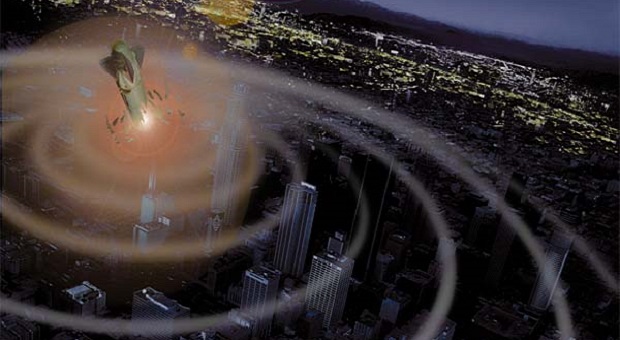
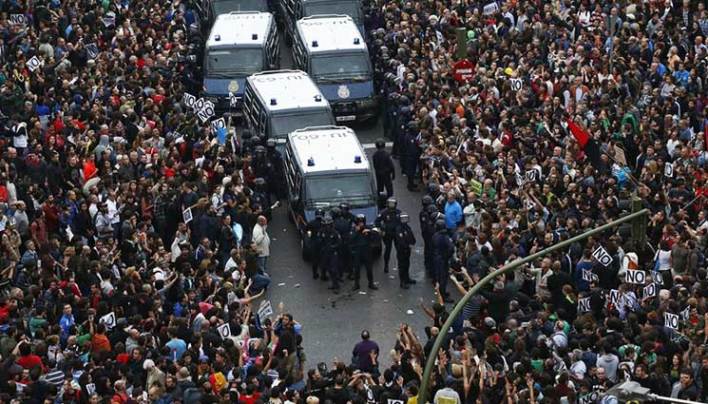


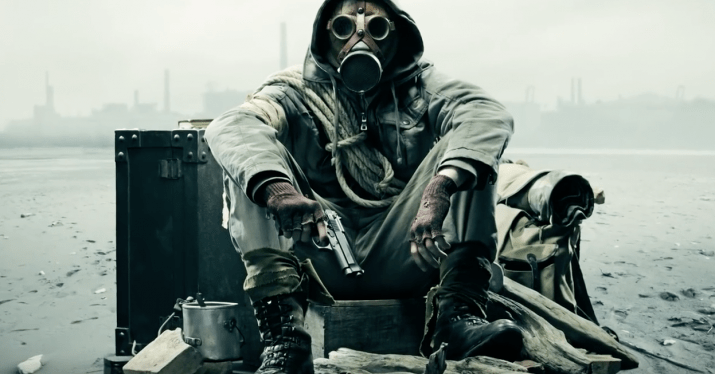


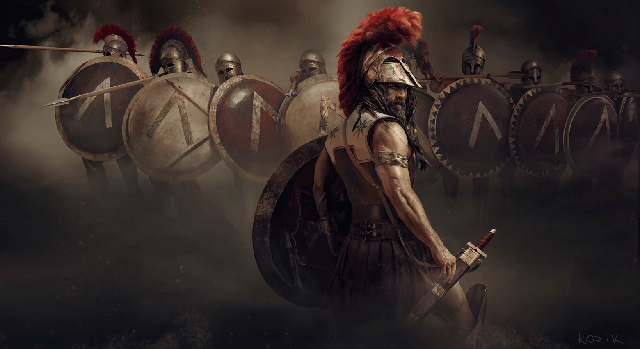

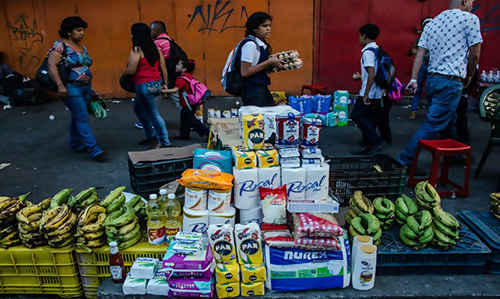
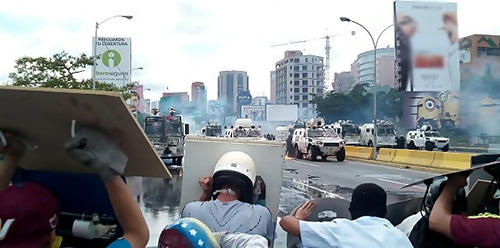
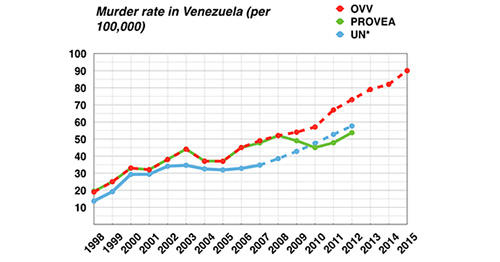
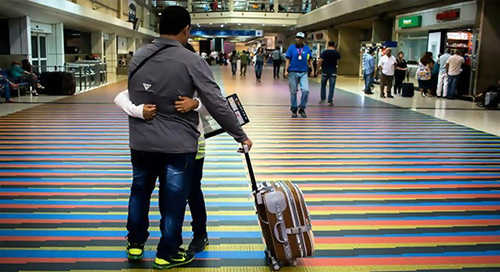
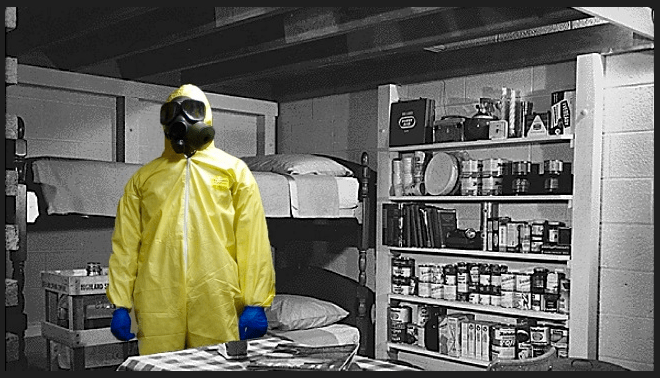

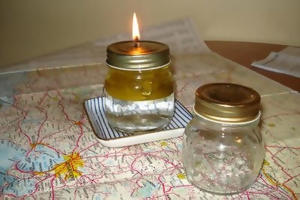

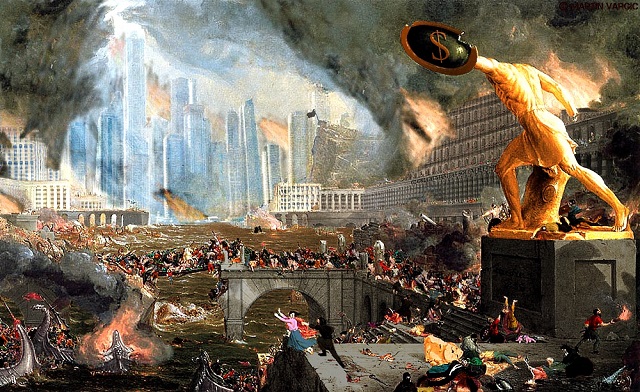
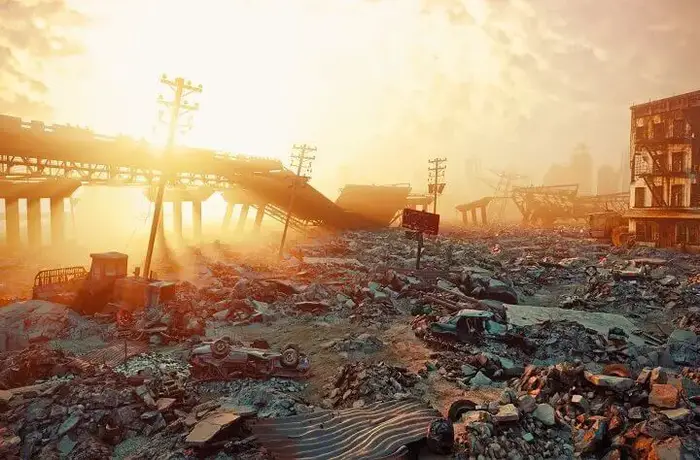
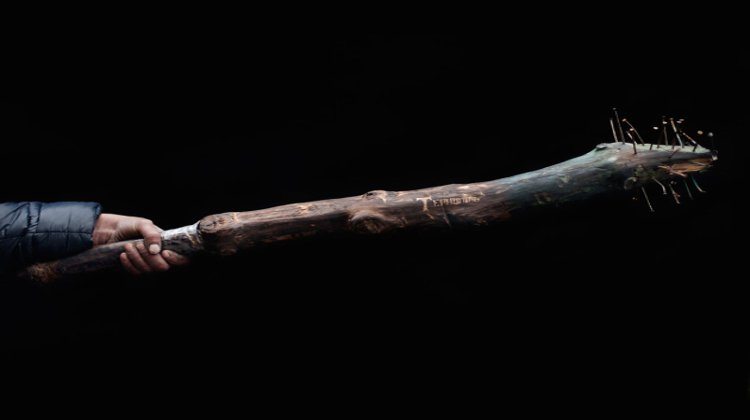
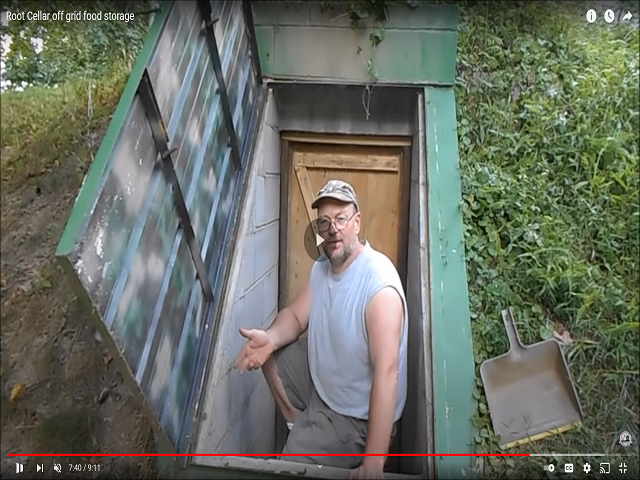

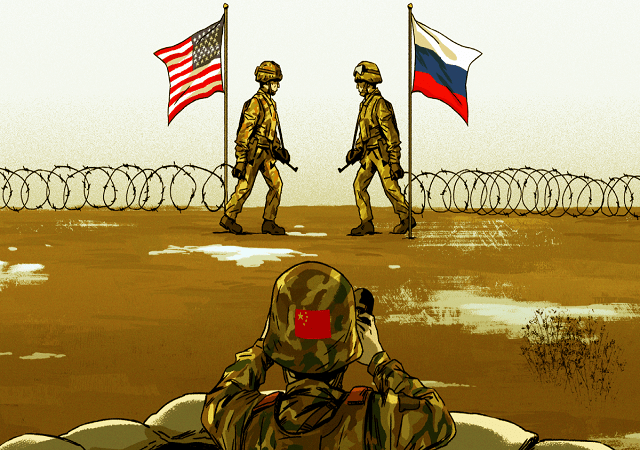
 SHTF
SHTF 