Your Weapon Is Only Tool to Survive: The Tactics of a Gunfight After SHTF-‘IF YOU KNOW THE ENEMY AND KNOW YOURSELF, YOU NEED NOT FEAR THE RESULT OF A HUNDRED BATTLES.’SUN TZU,CHINESE IMPLEMENTING THIS NOW AGAINST U.S.

Looking around I couldn’t find an important piece of information – how one should fight in a SHTF situation. I think this is an important topic to cover because it has several special circumstances that need to be considered.

  1. Ammo will need to be conserved – I don’t care how many rounds you have saved up, it won’t be enough and the long-term of a complete collapse of society (potentially 40+ years) means that from the get go every single shot will be precious.
  2. Due to the fact that it is almost a certainty that combatants will be intensely familiar with the area and possibly have been residing for a long period of time it rather changes the mechanics of combat.
  3. Due to limited manpower and the fact that any attrition will be felt heavily, patrols, night combat, and outposts will be nigh impossible to field with regularity.
  4. Expanding on the above, most medication has a limited shelf life and even minor wounds will start to become quite threatening (increased risk of disease and infection) – Medication will run out fast.

With that in mind, let us analyse why tactical considerations are always important and what style of fighting we will have to adopt. Due to the fact that ammo will always be a luxury, modern tactics which rely on the idea of expending more ammo in a gunfight at the foe over men or positioning is obviously not possible.

Now – every weapon you should use should focus on stopping power, the smallest cartridge in your arsenal should be 6.5mm (handguns excluded).

With that out-of-the-way – let us look at the overall thought process and things to identify before you engage in any situation.

  1. Manpower: Who has more bodies at their disposal – do they look weak and ill-trained or are their movements/positions well thought out and the men (and women!) well fed? Are they all moving armed or do they have the luxury of people dedicated to guard duties?
  2. Armament: What weapons are they using – are they rusted and in ill repair? Can you identify if they are carrying enough ammo for everyone to fight adequately?
  3. Maneuver: Who is in the better position? – do they have a path of pursuit and escape, do they have a height advantage? Importantly are they defending something valuable (like a base or stash)? If so you may have the luxury of being able to attack at will, the same thing goes if you are on the defensive.

From these 3 guidelines a threat level can be deduced, obviously there will be some situation where one advantage is so great that it will offset disadvantages – this is a rough guideline. If they check off none, then you are probably in a position to utilize a diplomatic approach and join groups. If they check off one of 3 then you should approach with caution, maybe attempt to surround them at night and make your intentions clear – again diplomacy may be the best decision here. If they check two of three than combat should be avoided until you are in a position to use your advantage to overwhelm them (attacking at night, in an ambush, etc). Do not attempt diplomacy at this threat level as you will not be in a position to make a fair deal and all emphasis should be placed on evening the odds or avoiding the threat. Finally if they check off all three do not engage at all, the goal is survival not heroic death and if worst comes to worst retreating completely or surrendering goods is preferable to a bullet in the brain. They still are people and unless you are absolutely sure that they are completely hostile they may be willing to work with you.

Now with the overall threat assessment done we may now talk about the five stages of combat (Recce, Skirmish, Combat, Push/Withdraw, Decisive Blow/Total Withdrawal).

RECCE

“IF YOU KNOW THE ENEMY AND KNOW YOURSELF, YOU NEED NOT FEAR THE RESULT OF A HUNDRED BATTLES.” – SUN TZU

Recce is often the most overlooked stage of combat but it is BY FAR the most important. Recce is the mode of thought that you should be on at all times, dispatching a scout if possible and identifying incoming threats. The more focus you place on recce the more forewarning you will have as to inbound threats, and more time to prepare/evacuate. Obviously you will be unable to have a complete recon net due to limited supplies but any extra hands should be trained for recce and dispatched when possible.

This is where you will identify your enemies capabilities on your threat checklist and decide whether to choose engagement/diplomacy/retreat. Just to outline how vital this is, 90% of a good tactician’s skill is how the deploy and utilize information from recce, with the other 10% being a good leader with good interpersonal skills and the ability to keep cool under pressure.

SKIRMISH

This is where you action your initial decision on engaging the enemy, it is the period where hostilities have begun but you are not locked into a fight. This will be the period where you harry the enemy with traps and marksman to attempt to pick off men before you attack or they reach your designated point of defense (usually your fortifications).

Some skirmishes may only last a minute or two and some may be the entire fight, note that your main focus should be leaders and sensitive targets (heavily armed fighters and if possible, medics). The goal of this will be to break your enemies organisation and morale when combat begins – that being said…

COMBAT

This will be the time when individual training counts. Communication will be close to impossible in this brief period and this is where the most casualties will be sustained – though despite this being the most calamitous point of a fight it will be the least important for you as the person in command. Your main role will be encouraging your men and stopping any obvious screw-ups.

What you should be watching closely is the movement of combat, are you making good progress towards your goal or are you sustaining casualties – are there hostile elements that you were unaware of?

Before I make my next point the thing to keep in mind is that in a ‘battle’ there may be multiple combats, intensive fighting between periods of skirmish, pushing, and retreat.

PUSH/WITHDRAW

This is as much a phase of combat as it is its own separate action, and the commands will have to be executed well and especially in the case of a withdrawal you need pre-planned points to ensure cohesiveness.

Really the most that can be said of pushing is that your enemy has begun to break or have thinned enough that they can no longer maintain the area their position demands, as I would expect almost all combatants to be ill-trained this will almost certainly result in a decisive victory as the enemy breaks completely.

However, keeping your men together in the case of a withdrawal is another issue. The things to watch out for: can you retreat to your designated point safely (if you have one – keep in mind most defense should take a multi layered approach), do you have enough manpower left to pursue another attack, is the enemy willing to pursue or are they holding position. If it is the latter the combat may switch to a skirmishing stance again.

TOTAL WITHDRAWAL/ DECISIVE BLOW

Decisive blow: Your enemy has completely shattered, this is the period encompassing cleaning up resistance before taking stock of supplies and beginning the process of recce again – re-assessing.

Total Withdrawal: This comes about one of two ways – Your force has broken and are fleeing in a blind panic, or it is (hopefully) an organised retreat to put some distance between yourselves and the enemy combatants and re-asses. You will again need to survey the situation and determine the next point of action for your group.

Something to note – Overall your group should always be prepared for a total retreat, even an easy fight could be a ruse and you always need to be prepared to move and maintain as many supplies as possible.

Your Neighbors Could Be Your Worst Nightmare in an Emergency:What is important to know is that when the needs of the neighbors are not able to be met, those needs will be attempted to be filled at your expense if you are the one with the supplies

This piece summarizes one of the episodes of “The Twilight Zone” entitled “The Shelter” that bears mention for all who have neighbors, especially those they are “unsure” of.  In this (two minutes to midnight) preparatory lifestyle, it’s always important to know about those who live around you.

Today’s neighbors can morph into tomorrow’s marauders in the blink of an eye.

The fragile nature of our society is best described as the thinnest of veneers of civilization overlaying an underlying barbarism that can manifest itself at any given moment.

“The Shelter” is an excellent case-study of such a precept that I recommend to everyone to watch at least once.  This is of the original series, and the episode was written in 1961 by Rod Serling.

The story commences in the home of a neighborhood doctor where he and his neighbors are celebrating his birthday.  Everyone is festive, and the mood is one of good spirits, laughter, and indulgence in food and drink.  After a birthday toast, several birthday guests comment (abrasively) on the noise the doctor has had over the months from the construction of a bomb shelter in his basement.  The doctor kind of ignores it, and the party continues.

Soon the doctor’s son comes into the dining room (only adults are present) and announces that the TV has gone dead, and just prior it announced to go to the Conelrad station on the radio.  The following report came forth on the radio as everyone listened:

“…Four minutes ago the President of the United States made the following announcement.  I quote: at 11:04 pm Eastern Standard Time both our Distant Early Warning Line and Ballistics Early Warning Line reported radar evidence of unidentified flying objects flying due southeast.  As of this moment we have been unable to determine the nature of these objects, but for the time being and in the interests of national safety we are declaring a state of yellow alert.  The Civil Defense Authorities request that if you have a shelter already prepared, go there at once.  If you do not have a shelter, use your time to move supplies of food, water, medicine, and other supplies to a central place.  Keep all windows and doors closed.  We repeat: if you’re in your home, go to your prepared shelters or to your basement.”

Needless to say, all of the guests frantically depart.  The doctor and his family scramble around, filling up jars with extra water and moving some extra stuff down into the bomb shelter.  In the shelter were beds for the family and shelves with canned goods and medicines, as well as other gear and some chairs and a table.  The doctor returns upstairs, and then one of the neighbors, Jerry, begins rapping on the window.  The doctor opens the door, and Jerry worms his way in, slyly informing the doctor that he and his family are unprepared for what’s coming.

The neighbor wants to shelter himself, his wife, and two children in a shelter designed for three people.  The doctor leaves him and enters the shelter, locking the door and sealing it off.  Presently, more neighbors arrive.  One of them pounds the door, insisting that the doctor allow him to enter.  Soon even more neighbors arrive, and one of them is very belligerent.  Men and women are irate, and they’re demanding the doctor let them in.  It escalates very shortly, as the aggressive man belligerently makes the following demand with several other men beside him to the doctor after yelling his name:

 “You’ve got a bunch of your neighbors outside who want to stay alive.  Now you can open that door and talk to us, and figure out with us how many can come in there…or you can just keep on doing what you’re doing and we’ll [hitting the door] bust our way in there.”

The doctor refuses, and the men outside move away from the door, and then begin to argue among themselves.  There is already infighting about who (of the outsiders) will enter the shelter, as the men move out of the house.

“Bill, who are those people?” the mother asks.

“Those people…those people are our neighbors…our friends…the people we’ve lived with and alongside for twenty years.  C’mon, Paulie.  We better get up some of this furniture and this bunk so we’ll have some protection in case that door goes through,” the doctor said.

The half-dozen men return to the house, smashing up furniture in the dining room and trashing the house.  They enter the basement with a heavy pipe, and as their wives cheer them on, they begin battering the shelter door.  Presently they break through.  Just as they are stepping into the shelter, the radio in the shelter with the family announces that the previously-spotted objects were satellites, and the alert was lifted.

As the dust settles, the neighbors try to blow it off half-heartedly, but the doctor doesn’t really want any of it.  The neighbors had managed to smash in the door and force their way in.  The doctor summarized it quite eloquently with his description of what had happened:

“The kind of people we are just underneath the skin.  I mean all of us…a lot of naked, wild animals who put such a price on staying alive that they’ll claw their neighbors to death just for the privilege.”

The episode is excellent, and in under 25-minutes presents exactly what human nature boils down to…in a non-profane, “Hallmark” version with no blood or gore to offend the tender sensibilities.  The doctor made the following critical mistakes.

 All of his neighbors knew he had built a bomb shelter in his basement

  1. The shelter (although made to resist radiation) was not built sturdily enough to be able to resist the marauders
  2. The doctor did not have one weapon to protect himself and his family and drive off the angry mob
  3. He allowed “Jerry” to come inside the house, instead of locking and barring every part of it to keep the neighbors away

The old adage, “Know thy neighbor” holds true…and not just from a superficially-friendly, good time perspective.

What is important to know is that when the needs of the neighbors are not able to be met, those needs will be attempted to be filled at your expense if you are the one with the supplies and safe haven.  “The Shelter” is an oldie but a goodie, and a perfect tool to keep in mind that all of us can pass beyond the limits of the “better angels of our nature,” and the situation turn from “Rebecca of Sunnybrook Farm,” to “The Road Warrior” in the blink of an eye.  Happy watching, and hope you take something from it.

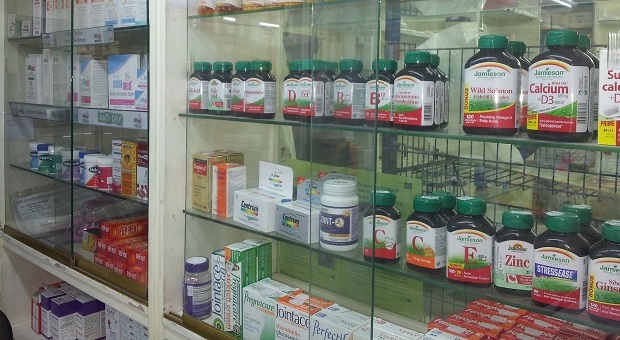
The 10 Cents Medicine That Every Prepper Needs- When you start making plans for SHTF, you’re bound to include some essential medicines.

When you start making plans for SHTF, you’re bound to include some essential medicines.

And, in preparation for the headaches to come, aspirin may well be top on your list.

But you may not realize that aspirin has uses far beyond relieving your sore head.

This is one item that no prepper or survivalist should underestimate.

History of Aspirin

The use of aspirin isn’t new to our society. Or, rather, some form of it has been in use for millennia.

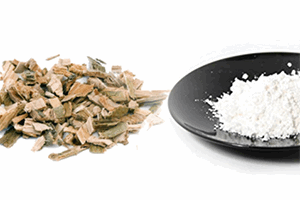
As far back as 2500 BC, our ancestors used willow leaves or bark as medicine for aches and pains.

Our grandfathers ascribed willow leaf tea to women as a way of easing the pain of childbirth.

The 10 Cents Medicine That Every Prepper Needs

Of course, it wasn’t until the 19th century that scientists understood what made these natural remedies so effective.

Willow contains a natural form of salicylic acid, and it is this compound that holds its medical properties.

It was the pharmaceutical company Bayer that patented the process of adding an acetyl group to salicylic acid so as to make it less irritant. In 1899 Bayer named the result – acetylsalicylic acid – “aspirin”.

Understanding the properties of aspirin is the first step to understanding why it’s important that you have your own stock of this cheap, readily available tablet in your supplies.

Both for its use in a medical emergency, as well as for other survival needs.

Aspirin as Medicine

Aspirin, commonly referred to by the brand name Tylenol, is most widely known as a drug to reduce pain, fever and inflammation. It is quick acting, easily found in most drugstores and cheap.

In US Pharmacies, a supply of 36 tablets costs around $10. It is also available as enteric-coated tablets or in gel form.

But aspirin has properties that take it beyond pain relief and anti-inflammatory uses, making it a go-to tablet for both medical and household needs.

Aspirin for Fever, Cold and Pain

  • For fever and muscle aches, the anti-inflammatory properties of aspirin can reduce swelling and pain. The recommended dose is one or two 300mg tablets every 4-6 hours, not exceeding 12 tablets in 24 hours.
  • A severe toothache can be treated by applying crushed aspirin directly to the swollen gum for 10-15 minutes. The medicine will be absorbed directly into the inflamed tissue and have a rapid effect on the local inflammatory hormones.
  • For a sore throat, one tablet of aspirin taken will start to relieve the symptoms within a few hours. Some people recommend gargling with dissolved aspirin in water for a sore throat, but the research on this is inconclusive.
  • Treat mouth ulcers with aspirin gel or make your own paste by crushing aspirin tablets in a little water.

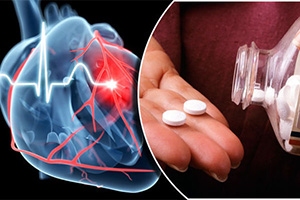
Aspirin for Heart and Stroke

The 10 Cents Medicine That Every Prepper Needs

You may have heard that aspirin is a blood thinner. This means that it reduces the blood’s ability to form clots.

If the body is prone to forming clots when it shouldn’t, those clots can get stuck in small blood vessels and cause a heart attack or stroke.

If a patient is at risk of forming blood clots, a doctor might prescribe aspirin long-term, to help thin the blood and reduce the blood’s tendency to produce clots.

Additionally, studies have found that aspirin given shortly after a heart attack decreases the risk of death, as it supports the body’s attempts to dissolve the clot that is causing the heart attack.

It is important not to self-medicate with aspirin pre-emptively if you are not at particular risk of heart attack or stroke. Recent guidelines have clarified that healthy people shouldn’t use this medicine daily as a form of preventing cardiovascular disease.

Aspirin for Skin Emergencies

  • Aspirin can be used to remove warts. The salicylic acid in aspirin dissolves the substance that makes skin cells stick together, and ultimately dissolves the wart. Apply a paste of crushed aspirin with a little water directly to the wart and cover with a Band-Aid. Repeat for several nights until the wart comes away.
  • Crushed aspirin can be mixed with talcum powder to produce a homemade antifungal powder to keep an athlete’s foot at bay.
The 10 Cents Medicine That Every Prepper Needs
  • Aspirin can be used in cases of severe sunburn, to reduce the pain and help the damaged skin heal quicker. Make an aspirin paste by crushing a few tablets of aspirin and adding water. Then, apply it to the sunburnt areas.
  • Aspirin is not recommended for treating everyday wounds. However, it can be an emergency treatment for chronic wounds like diabetic ulcers. This way, it limits the inflammatory reaction of the skin that prolongs the wound.

It is important to note that aspirin is not recommended for emergency treatment of burn wounds, as its blood-thinning properties can make bleeding at the burn site worse.

Take a different anti-inflammatory, such as ibuprofen, to help control the pain and inflammation from a burn.

Aspirin is also no longer recommended to treat insect bites. Research has found that applying ice to inflamed skin after an insect bite is more effective than using ice and aspirin together.

Survival Uses of Aspirin

Aspirin in a Car Emergency

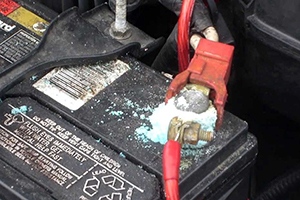
If you find yourself with a flat car battery in an emergency, a dozen aspirin tablets may just save the day.

Car aspirin

Use a screwdriver to lever open the six cells of your car battery. Then, crush two tablets of aspirin into each cell. Top up the battery with distilled water.

The acetyl-salicylic acid in aspirin reacts with sulfuric acid in the battery to form acetic acid, which can get a final boost from the battery to get your car going.

While this technique is a good standby for an emergency, in the long-term it may shorten the life of your car battery.

Aspirin in the Garden

One surprising use for common aspirin is to help with keeping your plants safe and thriving.

The 10 Cents Medicine That Every Prepper Needs

Growing your own food is an important part of being self-sufficient and aspirin can help improve germination rates and make your plants more hardy.

Soaking your seeds in a simple recipe with a teaspoon of cinnamon for an hour or two can impart benefits to the plants as they grow.

Alternatively, watering your seeds or cuttings with this mixture may be sufficient to give similar results.

As your plants grow bigger, spraying them with dilute aspirin in water can help fight fungus and keep pests at bay.

Aspirin for Cleaning

A solution of aspirin in water can also be used for cleaning away grease and grime in a similar way to vinegar.

Laundry aspirin

But with the advantage that aspirin tablets take up a fraction of the storage space.

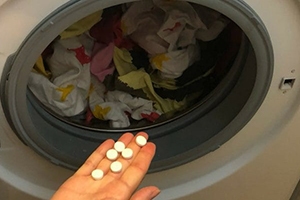
Aspirin tablets can be used to remove stains from your clothes, without the heavy arm-work you might expect when doing laundry without electricity.

But aspirin’s use as a cleaning agent goes beyond esthetics. Left to soak for ten minutes, it can lift rust away from your metal tools, preventing the structural damage that occurs when the rust eats deeper into the body of the equipment.

Storing your Medicine

Now that you know why stocking up on aspirin is so important, it’s crucial that you store it adequately.

This medication has been shown to still be safe and effective for up to two years after the expiration date on the label. But only if it is stored in a way that keeps it from degrading.

The 10 Cents Medicine That Every Prepper Needs

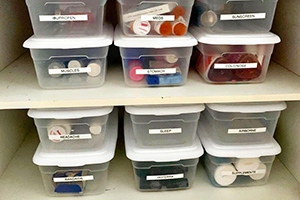
In particular, aspirin should be stored at room temperature between 59 – 86°F (15 – 30°C). The best option is to store it in a locked medicine box that protects it from light, moisture.

If you notice that your aspirin tablets look unusual in any way, do not take them as internal medicine.

However, they can still be used externally or for one of the survival uses listed above.

Don’t go overboard

As with any drug, aspirin should be treated with respect and used carefully. It is not recommended for children under the age of 16. Also, it should not be taken in combination with other anti-inflammatory drugs such as ibuprofen or naproxen, as it can cause bleeding in the digestive tract.

Aspirin poisoning, or aspirin overdose, may happen accidentally either by taking an inappropriately large dose. Or by taking it regularly over a long time period without medical supervision.

The first symptom of an overdose is ringing in the ears or tinnitus. Other symptoms include hyperventilation, vomiting, dehydration and feeling faint. Untreated, aspirin overdose can lead to drowsiness and coma.

Be sure to keep some activated charcoal in your SHTF medicine box. Not only can you use it to treat an aspirin overdose, but it is also good at ridding the digestive system of a range of toxins and poisons. The charcoal compound binds to toxins and prevents them from being absorbed as they pass through your system.

Your Weapon Is Only Tool to Survive: The Tactics of a Gunfight After SHTF-‘IF YOU KNOW THE ENEMY AND KNOW YOURSELF, YOU NEED NOT FEAR THE RESULT OF A HUNDRED BATTLES.’SUN TZU,CHINESE IMPLEMENTING THIS NOW AGAINST U.S.

Looking around I couldn’t find an important piece of information – how one should fight in a SHTF situation. I think this is an important topic to cover because it has several special circumstances that need to be considered.

  1. Ammo will need to be conserved – I don’t care how many rounds you have saved up, it won’t be enough and the long-term of a complete collapse of society (potentially 40+ years) means that from the get go every single shot will be precious.
  2. Due to the fact that it is almost a certainty that combatants will be intensely familiar with the area and possibly have been residing for a long period of time it rather changes the mechanics of combat.
  3. Due to limited manpower and the fact that any attrition will be felt heavily, patrols, night combat, and outposts will be nigh impossible to field with regularity.
  4. Expanding on the above, most medication has a limited shelf life and even minor wounds will start to become quite threatening (increased risk of disease and infection) – Medication will run out fast.

With that in mind, let us analyse why tactical considerations are always important and what style of fighting we will have to adopt. Due to the fact that ammo will always be a luxury, modern tactics which rely on the idea of expending more ammo in a gunfight at the foe over men or positioning is obviously not possible.

Now – every weapon you should use should focus on stopping power, the smallest cartridge in your arsenal should be 6.5mm (handguns excluded).

With that out-of-the-way – let us look at the overall thought process and things to identify before you engage in any situation.

  1. Manpower: Who has more bodies at their disposal – do they look weak and ill-trained or are their movements/positions well thought out and the men (and women!) well fed? Are they all moving armed or do they have the luxury of people dedicated to guard duties?
  2. Armament: What weapons are they using – are they rusted and in ill repair? Can you identify if they are carrying enough ammo for everyone to fight adequately?
  3. Maneuver: Who is in the better position? – do they have a path of pursuit and escape, do they have a height advantage? Importantly are they defending something valuable (like a base or stash)? If so you may have the luxury of being able to attack at will, the same thing goes if you are on the defensive.

From these 3 guidelines a threat level can be deduced, obviously there will be some situation where one advantage is so great that it will offset disadvantages – this is a rough guideline. If they check off none, then you are probably in a position to utilize a diplomatic approach and join groups. If they check off one of 3 then you should approach with caution, maybe attempt to surround them at night and make your intentions clear – again diplomacy may be the best decision here. If they check two of three than combat should be avoided until you are in a position to use your advantage to overwhelm them (attacking at night, in an ambush, etc). Do not attempt diplomacy at this threat level as you will not be in a position to make a fair deal and all emphasis should be placed on evening the odds or avoiding the threat. Finally if they check off all three do not engage at all, the goal is survival not heroic death and if worst comes to worst retreating completely or surrendering goods is preferable to a bullet in the brain. They still are people and unless you are absolutely sure that they are completely hostile they may be willing to work with you.

Now with the overall threat assessment done we may now talk about the five stages of combat (Recce, Skirmish, Combat, Push/Withdraw, Decisive Blow/Total Withdrawal).

RECCE

“IF YOU KNOW THE ENEMY AND KNOW YOURSELF, YOU NEED NOT FEAR THE RESULT OF A HUNDRED BATTLES.” – SUN TZU

Recce is often the most overlooked stage of combat but it is BY FAR the most important. Recce is the mode of thought that you should be on at all times, dispatching a scout if possible and identifying incoming threats. The more focus you place on recce the more forewarning you will have as to inbound threats, and more time to prepare/evacuate. Obviously you will be unable to have a complete recon net due to limited supplies but any extra hands should be trained for recce and dispatched when possible.

This is where you will identify your enemies capabilities on your threat checklist and decide whether to choose engagement/diplomacy/retreat. Just to outline how vital this is, 90% of a good tactician’s skill is how the deploy and utilize information from recce, with the other 10% being a good leader with good interpersonal skills and the ability to keep cool under pressure.

SKIRMISH

This is where you action your initial decision on engaging the enemy, it is the period where hostilities have begun but you are not locked into a fight. This will be the period where you harry the enemy with traps and marksman to attempt to pick off men before you attack or they reach your designated point of defense (usually your fortifications).

Some skirmishes may only last a minute or two and some may be the entire fight, note that your main focus should be leaders and sensitive targets (heavily armed fighters and if possible, medics). The goal of this will be to break your enemies organisation and morale when combat begins – that being said…

COMBAT

This will be the time when individual training counts. Communication will be close to impossible in this brief period and this is where the most casualties will be sustained – though despite this being the most calamitous point of a fight it will be the least important for you as the person in command. Your main role will be encouraging your men and stopping any obvious screw-ups.

What you should be watching closely is the movement of combat, are you making good progress towards your goal or are you sustaining casualties – are there hostile elements that you were unaware of?

Before I make my next point the thing to keep in mind is that in a ‘battle’ there may be multiple combats, intensive fighting between periods of skirmish, pushing, and retreat.

PUSH/WITHDRAW

This is as much a phase of combat as it is its own separate action, and the commands will have to be executed well and especially in the case of a withdrawal you need pre-planned points to ensure cohesiveness.

Really the most that can be said of pushing is that your enemy has begun to break or have thinned enough that they can no longer maintain the area their position demands, as I would expect almost all combatants to be ill-trained this will almost certainly result in a decisive victory as the enemy breaks completely.

However, keeping your men together in the case of a withdrawal is another issue. The things to watch out for: can you retreat to your designated point safely (if you have one – keep in mind most defense should take a multi layered approach), do you have enough manpower left to pursue another attack, is the enemy willing to pursue or are they holding position. If it is the latter the combat may switch to a skirmishing stance again.

TOTAL WITHDRAWAL/ DECISIVE BLOW

Decisive blow: Your enemy has completely shattered, this is the period encompassing cleaning up resistance before taking stock of supplies and beginning the process of recce again – re-assessing.

Total Withdrawal: This comes about one of two ways – Your force has broken and are fleeing in a blind panic, or it is (hopefully) an organised retreat to put some distance between yourselves and the enemy combatants and re-asses. You will again need to survey the situation and determine the next point of action for your group.

Something to note – Overall your group should always be prepared for a total retreat, even an easy fight could be a ruse and you always need to be prepared to move and maintain as many supplies as possible.
7 Unexpected Consequences of an Economic Crisis: That Will Throw The Nation Into Total Chaos- With The Collapses Of The College And University Systems And Student Aid-The Bands Of People,E Hopeless And Helpless Will Turn Dangerous Fast!

Other than the obvious consequences, what might we expect from a partial economic collapse? A total collapse of the economy would throw the nation into utter chaos. But what if we endure an economic depression, or a severe and long-lasting downturn? I think that some of the effects are not so obvious.

1. The college and university system will collapse

As I explained in this previous post, the system of higher education is a house of cards. The cost of getting a college degree has risen sharply and steadily, while real income has remained relatively flat. The price rise is due to the easy availability of grants and loans for education. But with so many persons getting a college degree, its value in the marketplace has plummeted. Many college grads are out of work, or they are working in a job that does not require a degree. Eventually, this practice of paying more and more, for something that is worth less and less, will collapse the system. Colleges and universities will not have enough paying students, and professors will not agree to a drastic pay cut. Overhead expenses are far too high.

All that is needed is an economic collapse, or partial collapse, to topple this house of cards. Many universities and colleges will be forced by economics to shut down.

2. Agricultural yields will plummet

The current U.S. agricultural system is based on the expectation of high yields. But high yields are obtained by high inputs — all the things that go into growing the crop, including lots of fertilizer, perhaps irrigation, herbicides, pesticides, labor, machinery. Then those high yields are sold and the money is then used to fund the inputs for the next crop cycle.

An economic collapse will mean that farmers will not be able to afford all the inputs needed for high yields. And when yields fall, the amount of money from that crop will be less. Then the next crop cycle will have even less money for inputs, resulting in even lower yields. And the process will continue — lower yields, less money, lower inputs — until many farmers are out of business and a food crisis results.

3. Violent crime will increase

When people lack money and food, they become desperate. And desperate people do desperate things. Theft and robbery will skyrocket, and people will be afraid in their homes, and afraid to go out in the community. Even a quick trip to the market will become risky. Sales of most goods will plummet, causing the economic crisis to worsen. Protests will turn violent. Home invasion robberies will become much more common. Many people will be killed or injured as a result of this increase in violent crimes.

4. Law enforcement will be overwhelmed

The law enforcement system in the U.S. is commercial. Officers are paid. We don’t keep a large excess of officers on the payroll, just in case crime sharply increases. So it is relatively easy for the system to be overwhelmed. And that means a call to 911 might not bring the police to your door in time, if at all. Those who have firearms for home defense will be much better off than those who rely solely on the police. But many households have no firearms. And that means that robberies will increase, and so will the economic damage and the number of injuries and deaths.

5. The healthcare system will be overwhelmed

The healthcare system is also commercial, and lacks a safety margin in the form of excess doctors and nurses. Hospitals operate at close to capacity. A sudden increase in persons who are sick or injured will overwhelm the system.

The aforementioned increase in violent crime will undoubtedly increase injuries. But it is less obvious that a disruption to the food production and distribution system will increase illnesses. Plenty of good healthy food is the first line of defense against illness. Malnourished persons are much more likely to get sick. So an extended disruption to the food supply will cause an increase in illnesses.

6. Travel anywhere will become dangerous

As a result of all the above described problems, travel will be dangerous. Want to make a quick trip to the supermarket? You risk having your house robbed, if it is left unoccupied. And you risk being attacked on your way back from the market. Robbers might wait outside the market and follow anyone who looks like they purchased a lot of food.

There will be protests in many places, and violence will often break out. People who are hungry and afraid do not make the best decisions. Then there is the cultural aspect of the situation. We live in a culture that tells us to expect the government to take care of us, and to protest whenever anything doesn’t go our way. Ironically, self-sufficiency is abhorrent to our narcissistic culture.

I expect that the roadways will be dangerous, as violent criminals will see travelers as easier targets than homes.

7. The death rate will jump higher

People will be malnourished because of the disruption in the food supply, so they will get sick more easily. Violent crimes and violent protests will result in many more injuries than usual. And yet healthcare will be much more difficult to access. There will be a shortage of hospital beds. It will be difficult to get a doctor’s appointment. There may be a shortage of prescription and OTC medications.

All of these factors will make life a riskier endeavor.

Now if you are a seasoned prepper, who has long considered the dangers inherent in an economic collapse, you may have anticipated some of the above consequences. But I hope I’ve added to your understanding of the possible problems that we may soon face.

Your Neighbors Could Be Your Worst Nightmare in an Emergency:What is important to know is that when the needs of the neighbors are not able to be met, those needs will be attempted to be filled at your expense if you are the one with the supplies

This piece summarizes one of the episodes of “The Twilight Zone” entitled “The Shelter” that bears mention for all who have neighbors, especially those they are “unsure” of.  In this (two minutes to midnight) preparatory lifestyle, it’s always important to know about those who live around you.

Today’s neighbors can morph into tomorrow’s marauders in the blink of an eye.

The fragile nature of our society is best described as the thinnest of veneers of civilization overlaying an underlying barbarism that can manifest itself at any given moment.

“The Shelter” is an excellent case-study of such a precept that I recommend to everyone to watch at least once.  This is of the original series, and the episode was written in 1961 by Rod Serling.

The story commences in the home of a neighborhood doctor where he and his neighbors are celebrating his birthday.  Everyone is festive, and the mood is one of good spirits, laughter, and indulgence in food and drink.  After a birthday toast, several birthday guests comment (abrasively) on the noise the doctor has had over the months from the construction of a bomb shelter in his basement.  The doctor kind of ignores it, and the party continues.

Soon the doctor’s son comes into the dining room (only adults are present) and announces that the TV has gone dead, and just prior it announced to go to the Conelrad station on the radio.  The following report came forth on the radio as everyone listened:

“…Four minutes ago the President of the United States made the following announcement.  I quote: at 11:04 pm Eastern Standard Time both our Distant Early Warning Line and Ballistics Early Warning Line reported radar evidence of unidentified flying objects flying due southeast.  As of this moment we have been unable to determine the nature of these objects, but for the time being and in the interests of national safety we are declaring a state of yellow alert.  The Civil Defense Authorities request that if you have a shelter already prepared, go there at once.  If you do not have a shelter, use your time to move supplies of food, water, medicine, and other supplies to a central place.  Keep all windows and doors closed.  We repeat: if you’re in your home, go to your prepared shelters or to your basement.”

Needless to say, all of the guests frantically depart.  The doctor and his family scramble around, filling up jars with extra water and moving some extra stuff down into the bomb shelter.  In the shelter were beds for the family and shelves with canned goods and medicines, as well as other gear and some chairs and a table.  The doctor returns upstairs, and then one of the neighbors, Jerry, begins rapping on the window.  The doctor opens the door, and Jerry worms his way in, slyly informing the doctor that he and his family are unprepared for what’s coming.

The neighbor wants to shelter himself, his wife, and two children in a shelter designed for three people.  The doctor leaves him and enters the shelter, locking the door and sealing it off.  Presently, more neighbors arrive.  One of them pounds the door, insisting that the doctor allow him to enter.  Soon even more neighbors arrive, and one of them is very belligerent.  Men and women are irate, and they’re demanding the doctor let them in.  It escalates very shortly, as the aggressive man belligerently makes the following demand with several other men beside him to the doctor after yelling his name:

 “You’ve got a bunch of your neighbors outside who want to stay alive.  Now you can open that door and talk to us, and figure out with us how many can come in there…or you can just keep on doing what you’re doing and we’ll [hitting the door] bust our way in there.”

The doctor refuses, and the men outside move away from the door, and then begin to argue among themselves.  There is already infighting about who (of the outsiders) will enter the shelter, as the men move out of the house.

“Bill, who are those people?” the mother asks.

“Those people…those people are our neighbors…our friends…the people we’ve lived with and alongside for twenty years.  C’mon, Paulie.  We better get up some of this furniture and this bunk so we’ll have some protection in case that door goes through,” the doctor said.

The half-dozen men return to the house, smashing up furniture in the dining room and trashing the house.  They enter the basement with a heavy pipe, and as their wives cheer them on, they begin battering the shelter door.  Presently they break through.  Just as they are stepping into the shelter, the radio in the shelter with the family announces that the previously-spotted objects were satellites, and the alert was lifted.

As the dust settles, the neighbors try to blow it off half-heartedly, but the doctor doesn’t really want any of it.  The neighbors had managed to smash in the door and force their way in.  The doctor summarized it quite eloquently with his description of what had happened:

“The kind of people we are just underneath the skin.  I mean all of us…a lot of naked, wild animals who put such a price on staying alive that they’ll claw their neighbors to death just for the privilege.”

The episode is excellent, and in under 25-minutes presents exactly what human nature boils down to…in a non-profane, “Hallmark” version with no blood or gore to offend the tender sensibilities.  The doctor made the following critical mistakes.

 All of his neighbors knew he had built a bomb shelter in his basement

  1. The shelter (although made to resist radiation) was not built sturdily enough to be able to resist the marauders
  2. The doctor did not have one weapon to protect himself and his family and drive off the angry mob
  3. He allowed “Jerry” to come inside the house, instead of locking and barring every part of it to keep the neighbors away

The old adage, “Know thy neighbor” holds true…and not just from a superficially-friendly, good time perspective.

What is important to know is that when the needs of the neighbors are not able to be met, those needs will be attempted to be filled at your expense if you are the one with the supplies and safe haven.  “The Shelter” is an oldie but a goodie, and a perfect tool to keep in mind that all of us can pass beyond the limits of the “better angels of our nature,” and the situation turn from “Rebecca of Sunnybrook Farm,” to “The Road Warrior” in the blink of an eye.  Happy watching, and hope you take something from it.

It’s Becoming Increasingly Clear That The Violence And Rioting That Is Going On In Cities Across The Country Isn’t Going to Stop Anytime Soon: Best Self-Defense Items To Carry During The Riots After Elections

It’s becoming increasingly clear that the violence and rioting that is going on in cities across the country isn’t going to stop anytime soon. Considering the amount of potential problems with this year’s elections, there’s a good chance that any election results will go to court, regardless of who wins. So in other words, there’s almost no chance that things will be peaceful after the elections.

With that in mind, we need to be ready for whatever comes. While we don’t want to be instigators of any violence, we certainly don’t want to be victims of it either.

Reality says that we all have to go out sometime, even in the midst of pandemics and rioting. So there’s a distinct possibility that you’ll end up confronted by rioters when you least expect it. That’s enough to make some means of defense part of your everyday carry (EDC).

Pistol

Best Self-Defense Items to Carry During the Riots after Elections

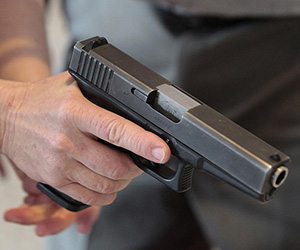
Your main weapon is always your concealed carry pistol. This is one time you want to be carrying it for sure. Even so, you want to do everything you can to avoid drawing it or even letting anyone know it’s there.

Don’t try using your pistol to put an end to the rioting, as that could end up backfiring and sparking an increase in the violence.

The reason to carry a pistol is for your own defense. If things get out of hand and you’re in danger of life and limb, then you’ll need to draw your pistol. But be sure that it’s absolutely necessary, before even reaching for it, so that you don’t telegraph its existence and location to the rioters.

Make sure you have at least two extra magazines too. You don’t know what will happen if you start shooting. You may very well have to shoot your way out of the situation.

AR-15

Best Self-Defense Items to Carry During the Riots after Elections

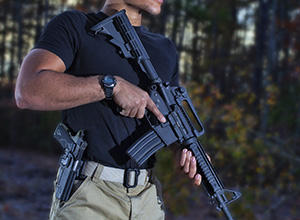
The AR-15 is the closest thing I can think of to a civilian firearm designed for this situation. The ease of use and speed of reloading, changing out its 30 round magazines, means that you can keep shooting as long as they keep coming after you.

Just make sure you stop shooting as soon as the danger to yourself is lifted. You don’t want to be found guilty of your own murder spree.

I’d recommend a red dot sight for a situation like this, as it is the fastest and easiest optic for getting a sight on a target, even if the rifle isn’t quite lined up right. Back that up with iron sights, even if you have to install them at an angle, so that you have something to use if your red dot goes out.

While this article is about the best items to carry, I’d use extreme caution about even carrying an AR-15 into one of these situations. If there are others who are carrying, then it’s okay. But you don’t want to be the only one carrying one and end up attracting attention to yourself. Better to keep it in the trunk of the car, and stay close to your car so that you can get to it if you need to.

A Stout Walking Stick

Best Self-Defense Items to Carry During the Riots after Elections

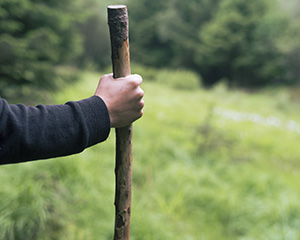
A good walking stick is a great weapon, if you know what to do with it. I’m talking about one that is five to six feet long here, not a gentleman’s walking stick that’s no bigger than a cane.

A longer walking stick like this can be used as a quarterstaff or bo staff, depending on which you are more familiar with. It gives you reach over any attackers, without having to resort to firearms.

If you’re going to carry any sort of staff or walking stick, then you want to take some time to practice using it. This isn’t the sort of weapon you can use effectively, without practice. Look online for videos which explain how to use them, then spend some time in the backyard getting the swing of it.

The biggest thing you want to be sure of, when using any weapon of this sort, is to make sure that nobody can get their hands on it. If an attacker grabs it, they might succeed in wrestling it out of your hands and attacking you with it. Then you’d be forced to resort to another weapon, like your concealed carry pistol.

Martial Arts Weapons

Best Self-Defense Items to Carry During the Riots after Elections

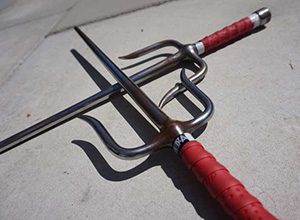
If you have training in the use of martial arts weapons, this might be the time to make use of that training. Such weapons would give you a distinct advantage in any fight you might end up in.

The trick is carrying them in some way that nobody knows you’ve got them. A heavy coat, like a ski parka, will help in this regard.

Like the staff, don’t try using martial arts weapons if you don’t know what you’re doing. You don’t want to be in a position where the weapons you are carrying can be turned against you and used to inflict harm on you.

That’s likely to happen with any weapon that gets taken away from you.

Wasp Spray

Best Self-Defense Items to Carry During the Riots after Elections

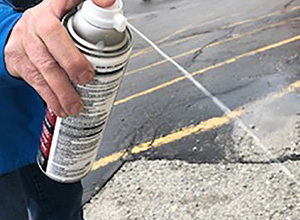
I’ve always had an issue with pepper spray in that it is such a limited weapon. You’ve got to be extremely close to the other person, almost putting it in their face. Then, you’ve only got enough spray for a few quick shots, before the can runs out.

Many people have recommended wasp spray as a replacement for pepper spray. Not only does it come in a larger can, but it’s designed to shoot about 20 feet. This allows you to use it as a weapon to clear the area around you, spraying one person after another in the face.

I will warn you though, wasp spray is not considered a legal weapon in all states. So you’ve got to be sure that you meet the criteria for the use of deadly force, even though it isn’t a deadly weapon.

Body Armor

Best Self-Defense Items to Carry During the Riots after Elections

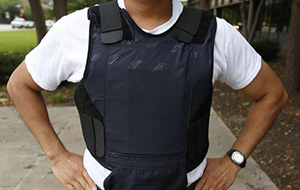
Regardless of what weapons you’re carrying, if you’re going to be anywhere near the rioting, I’d highly recommend wearing ballistic body armor. Even if the rioters aren’t shooting, that armor could be useful.

Part of the way it works is to dissipate the kinetic energy from a round hitting it, spreading the impact out to minimize blunt-force trauma, while it also stops the bullet to prevent penetrating trauma. So, if someone knocks you over and tries to kick you in the chest, the armor would spread the force out, lessening the pain that it causes.

That body armor won’t help your head though and wearing a military helmet might be a bit too obvious. But if you happen to have a motorcycle helmet around, you might want to keep it in your car. Motorcycle helmets aren’t bullet-proof, but they are designed to withstand blunt-force trauma. So if you find yourself in a difficult situation, putting that helmet on could protect your head.

Your best course of action, with any sort of riots, is to make yourself scarce. There’s really no way for you and me to win in that situation. While we may be tempted to go out and defend all we hold dear, even trying to do that could land us behind bars. And that’s about the best we can expect. Dealing with those riots is really the business of the police and the National Guard.

This means staying away from the areas where rioting is likely to occur, especially the downtown area or a neighborhood where an event has happened that might spark violence.

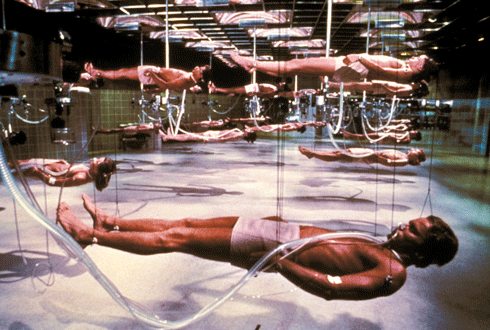
Becoming Pod People (To be socially isolated except for your internet connection until finally, they pull the plug on our feeding tubes.)

Give each of these people a smartphone and thisimage from the movie Coma describes our destiny: To be socially isolated except for our internet connectionuntil finally, they pull the plug on our feeding tubes.

Extrapolating from the current trend.

from Sept 29, 2020by Henry Makow PhD
Clearly, the COVID “pandemic” is not intended to be a passing emergency but a ruse to impose a “new normal” corresponding to the UN’s Agenda 30.
The dystopian future is taking shape. Mass gatherings have been canceled.  We must experience the world on a TV screen. The NFL plays in front of a cardboard crowd to sound effects. 
Millions are stuck at home, working “remotely,” or paid to do nothing. (Will they ever agree to work again?)
Restaurants and other businesses in urban centers are going bust. 
Students are deprived of the society of their peers, forced to take their courses online. Many are confined to their dorms without proper provisions. Attending classes remotely is like ordering take-out from Hooters.  
Everyone is required to wear filthy masks.
Locally, the Royal Winnipeg Ballet canceled their annual Nutcracker ballet, scheduled for Christmas. Imagine hundreds of artists out of jobs.

hap-birthday.png

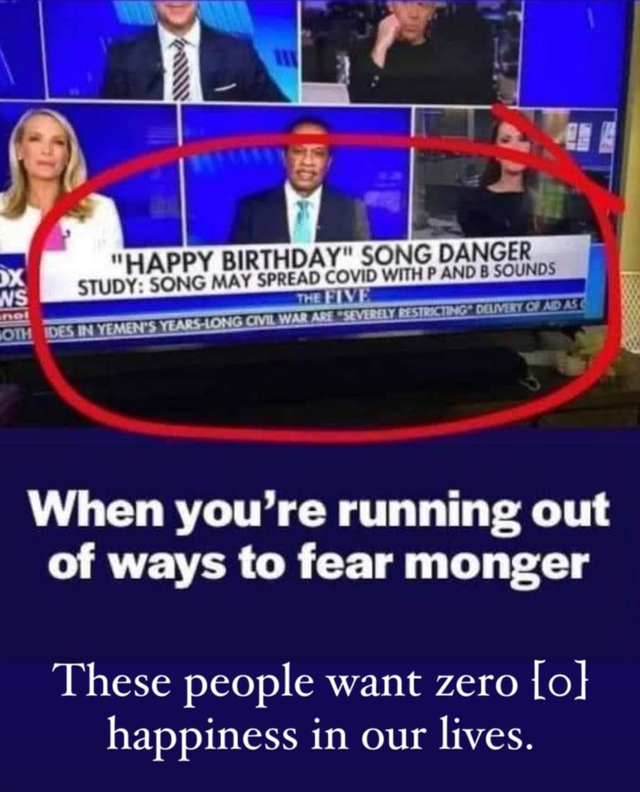
There is talk that Christmas gatherings may be canceled. Every source of solace or happiness is being shut down.
At the local Safeway, the lounge where old folk enjoyed their Timbits and coffee has been closed. They have nowhere to go.
Montreal residents won’t be allowed to visit friends or family at home for most of October or eat out at their favorite restaurant as the provincial government struggles to slow the surge of new coronavirus cases. All bars, casinos, and restaurants are closed (takeout only). Libraries, museums, cinemas, and theatres will also be closed. Being less than two meters apart will be prohibited. Masks will be mandatory during demonstrations. Houses of worship and venues for events, such as funerals and weddings, will have a 25-person limit. Hair salons, hotels, and other such businesses will stay open. Schools will remain open.”
For 16 million people in Northeast England, pubs and restaurants can stay open, but it will be illegal to go for a drink with a member of another household or visit them at their home from Wednesday.
Roughly 100 students at the University of Western Ontario were referred for investigation under the school’s code of conduct after campus police broke up parties in university residences on the weekend.
“At the University of Alabama in Tuscaloosa, with at least 1,889 virus cases since mid-August, and at the University of Notre Dame, with about 550 cases, students have reported their classmates for violating quarantine and wandering outside.” 

Our social lives have moved to Facebook. 

We’re being reengineered. 
The economy is tilting to cabin fever.  Home exercise programs and food delivery are thriving. Amazon stock is soaring. 
Meanwhile, Main Street is boarded up.  “The housebound are nimbly pivoting to virtual social gatherings,” The New York Times reports. “They’re holding birthday parties and bar mitzvahs over video chat, broadcasting D.J. sets and streaming concerts (some from the luxurious confines of celebrity homes), and establishing quarantine movie nights on Twitter for “virtual companionship.”pod-people-lithuania.jpg

A lot of communal events are taking place on Zoom, a videoconferencing app now being used by many classrooms and businesses (thus transforming it into one of the few companies doing well on the stock market). But it’s not just Zoom.

There are, for example, a small but highly vocal number of people gathering in the digital plazas, pet stores, and pizza shops of Club Penguin Online. There are happy hours being held on Google Hangout, and poker games taking place over FaceTime. There are flute meditation sessions on Instagram and thousands of people participating in dance raves that are broadcast on Twitch.It’s a lot for the internet. On Monday, Discord, the chat app popular with gamers, announced that it would increase its capacity by 20 percent to keep up with demand; it crashed shortly thereafter.”
CONCLUSION
The plan is to dehumanize us in advance of full-blown tyranny. The scary part is that the masses still think the “authorities” have their best interests at heart. The medical profession, media, and politicians are all taking their orders from the Rockefellers. This psyop is an egregious betrayal of trust from which society will not recover unless the traitors are all sent packing. 
All we can do is refuse to become “pod people.” 

Your Neighbors Could Be Your Worst Nightmare in an Emergency:What is important to know is that when the needs of the neighbors are not able to be met, those needs will be attempted to be filled at your expense if you are the one with the supplies

This piece summarizes one of the episodes of “The Twilight Zone” entitled “The Shelter” that bears mention for all who have neighbors, especially those they are “unsure” of.  In this (two minutes to midnight) preparatory lifestyle, it’s always important to know about those who live around you.

Today’s neighbors can morph into tomorrow’s marauders in the blink of an eye.

The fragile nature of our society is best described as the thinnest of veneers of civilization overlaying an underlying barbarism that can manifest itself at any given moment.

“The Shelter” is an excellent case-study of such a precept that I recommend to everyone to watch at least once.  This is of the original series, and the episode was written in 1961 by Rod Serling.

The story commences in the home of a neighborhood doctor where he and his neighbors are celebrating his birthday.  Everyone is festive, and the mood is one of good spirits, laughter, and indulgence in food and drink.  After a birthday toast, several birthday guests comment (abrasively) on the noise the doctor has had over the months from the construction of a bomb shelter in his basement.  The doctor kind of ignores it, and the party continues.

Soon the doctor’s son comes into the dining room (only adults are present) and announces that the TV has gone dead, and just prior it announced to go to the Conelrad station on the radio.  The following report came forth on the radio as everyone listened:

“…Four minutes ago the President of the United States made the following announcement.  I quote: at 11:04 pm Eastern Standard Time both our Distant Early Warning Line and Ballistics Early Warning Line reported radar evidence of unidentified flying objects flying due southeast.  As of this moment we have been unable to determine the nature of these objects, but for the time being and in the interests of national safety we are declaring a state of yellow alert.  The Civil Defense Authorities request that if you have a shelter already prepared, go there at once.  If you do not have a shelter, use your time to move supplies of food, water, medicine, and other supplies to a central place.  Keep all windows and doors closed.  We repeat: if you’re in your home, go to your prepared shelters or to your basement.”

Needless to say, all of the guests frantically depart.  The doctor and his family scramble around, filling up jars with extra water and moving some extra stuff down into the bomb shelter.  In the shelter were beds for the family and shelves with canned goods and medicines, as well as other gear and some chairs and a table.  The doctor returns upstairs, and then one of the neighbors, Jerry, begins rapping on the window.  The doctor opens the door, and Jerry worms his way in, slyly informing the doctor that he and his family are unprepared for what’s coming.

The neighbor wants to shelter himself, his wife, and two children in a shelter designed for three people.  The doctor leaves him and enters the shelter, locking the door and sealing it off.  Presently, more neighbors arrive.  One of them pounds the door, insisting that the doctor allow him to enter.  Soon even more neighbors arrive, and one of them is very belligerent.  Men and women are irate, and they’re demanding the doctor let them in.  It escalates very shortly, as the aggressive man belligerently makes the following demand with several other men beside him to the doctor after yelling his name:

 “You’ve got a bunch of your neighbors outside who want to stay alive.  Now you can open that door and talk to us, and figure out with us how many can come in there…or you can just keep on doing what you’re doing and we’ll [hitting the door] bust our way in there.”

The doctor refuses, and the men outside move away from the door, and then begin to argue among themselves.  There is already infighting about who (of the outsiders) will enter the shelter, as the men move out of the house.

“Bill, who are those people?” the mother asks.

“Those people…those people are our neighbors…our friends…the people we’ve lived with and alongside for twenty years.  C’mon, Paulie.  We better get up some of this furniture and this bunk so we’ll have some protection in case that door goes through,” the doctor said.

The half-dozen men return to the house, smashing up furniture in the dining room and trashing the house.  They enter the basement with a heavy pipe, and as their wives cheer them on, they begin battering the shelter door.  Presently they break through.  Just as they are stepping into the shelter, the radio in the shelter with the family announces that the previously-spotted objects were satellites, and the alert was lifted.

As the dust settles, the neighbors try to blow it off half-heartedly, but the doctor doesn’t really want any of it.  The neighbors had managed to smash in the door and force their way in.  The doctor summarized it quite eloquently with his description of what had happened:

“The kind of people we are just underneath the skin.  I mean all of us…a lot of naked, wild animals who put such a price on staying alive that they’ll claw their neighbors to death just for the privilege.”

The episode is excellent, and in under 25-minutes presents exactly what human nature boils down to…in a non-profane, “Hallmark” version with no blood or gore to offend the tender sensibilities.  The doctor made the following critical mistakes.

 All of his neighbors knew he had built a bomb shelter in his basement

  1. The shelter (although made to resist radiation) was not built sturdily enough to be able to resist the marauders
  2. The doctor did not have one weapon to protect himself and his family and drive off the angry mob
  3. He allowed “Jerry” to come inside the house, instead of locking and barring every part of it to keep the neighbors away

The old adage, “Know thy neighbor” holds true…and not just from a superficially-friendly, good time perspective.

What is important to know is that when the needs of the neighbors are not able to be met, those needs will be attempted to be filled at your expense if you are the one with the supplies and safe haven.  “The Shelter” is an oldie but a goodie, and a perfect tool to keep in mind that all of us can pass beyond the limits of the “better angels of our nature,” and the situation turn from “Rebecca of Sunnybrook Farm,” to “The Road Warrior” in the blink of an eye.  Happy watching, and hope you take something from it.

Economic collapse = societal collapse. It’s deliberate so that we can have “order out of chaos”, as in New World Order, also known as the tyranny of the ruling sociopaths.

Other than the obvious consequences, what might we expect from a partial economic collapse? A total collapse of the economy would throw the nation into utter chaos. But what if we endure an economic depression, or a severe and long-lasting downturn? I think that some of the effects are not so obvious.

1. The college and university system will collapse

As I explained in this previous post, the system of higher education is a house of cards. The cost of getting a college degree has risen sharply and steadily, while real income has remained relatively flat. The price rise is due to the easy availability of grants and loans for education. But with so many persons getting a college degree, its value in the marketplace has plummeted. Many college grads are out of work, or they are working in a job that does not require a degree. Eventually, this practice of paying more and more, for something that is worth less and less, will collapse the system. Colleges and universities will not have enough paying students, and professors will not agree to a drastic pay cut. Overhead expenses are far too high.

All that is needed is an economic collapse, or partial collapse, to topple this house of cards. Many universities and colleges will be forced by economics to shut down.

2. Agricultural yields will plummet

The current U.S. agricultural system is based on the expectation of high yields. But high yields are obtained by high inputs — all the things that go into growing the crop, including lots of fertilizer, perhaps irrigation, herbicides, pesticides, labor, machinery. Then those high yields are sold and the money is then used to fund the inputs for the next crop cycle.

An economic collapse will mean that farmers will not be able to afford all the inputs needed for high yields. And when yields fall, the amount of money from that crop will be less. Then the next crop cycle will have even less money for inputs, resulting in even lower yields. And the process will continue — lower yields, less money, lower inputs — until many farmers are out of business and a food crisis results.

3. Violent crime will increase

When people lack money and food, they become desperate. And desperate people do desperate things. Theft and robbery will skyrocket, and people will be afraid in their homes, and afraid to go out in the community. Even a quick trip to the market will become risky. Sales of most goods will plummet, causing the economic crisis to worsen. Protests will turn violent. Home invasion robberies will become much more common. Many people will be killed or injured as a result of this increase in violent crimes.

4. Law enforcement will be overwhelmed

The law enforcement system in the U.S. is commercial. Officers are paid. We don’t keep a large excess of officers on the payroll, just in case crime sharply increases. So it is relatively easy for the system to be overwhelmed. And that means a call to 911 might not bring the police to your door in time, if at all. Those who have firearms for home defense will be much better off than those who rely solely on the police. But many households have no firearms. And that means that robberies will increase, and so will the economic damage and the number of injuries and deaths.

5. The healthcare system will be overwhelmed

The healthcare system is also commercial, and lacks a safety margin in the form of excess doctors and nurses. Hospitals operate at close to capacity. A sudden increase in persons who are sick or injured will overwhelm the system.

The aforementioned increase in violent crime will undoubtedly increase injuries. But it is less obvious that a disruption to the food production and distribution system will increase illnesses. Plenty of good healthy food is the first line of defense against illness. Malnourished persons are much more likely to get sick. So an extended disruption to the food supply will cause an increase in illnesses.

6. Travel anywhere will become dangerous

As a result of all the above described problems, travel will be dangerous. Want to make a quick trip to the supermarket? You risk having your house robbed, if it is left unoccupied. And you risk being attacked on your way back from the market. Robbers might wait outside the market and follow anyone who looks like they purchased a lot of food.

There will be protests in many places, and violence will often break out. People who are hungry and afraid do not make the best decisions. Then there is the cultural aspect of the situation. We live in a culture that tells us to expect the government to take care of us, and to protest whenever anything doesn’t go our way. Ironically, self-sufficiency is abhorrent to our narcissistic culture.

I expect that the roadways will be dangerous, as violent criminals will see travelers as easier targets than homes.

7. The death rate will jump higher

People will be malnourished because of the disruption in the food supply, so they will get sick more easily. Violent crimes and violent protests will result in many more injuries than usual. And yet healthcare will be much more difficult to access. There will be a shortage of hospital beds. It will be difficult to get a doctor’s appointment. There may be a shortage of prescription and OTC medications.

All of these factors will make life a riskier endeavor.

Now if you are a seasoned prepper, who has long considered the dangers inherent in an economic collapse, you may have anticipated some of the above consequences. But I hope I’ve added to your understanding of the possible problems that we may soon face.

Design a site like this with WordPress.com
Get started